Omar Little (the-wire)
Michael K. Williams
Michael K. Williams’s Omar Little is The Wire’s corner opera in a duster — a civic instrument, not merch, inside David Simon’s Baltimore novel. Five seasons treated institutions as leads; Omar made the street’s code look like a character you could hear coming.
The first hour of The Wire introduces a jurisdiction, not a hero. Williams’s Omar walks through that jurisdiction as a system with a whistle: stickup as vocation, honor as a rumor people still use. Characters function inside machines — drugs, docks, City Hall, schools, the newsroom. Omar is the rare figure who seems to have written his own bylaws, legendary and still part of the report.
s01e01 is the corner as a system, not a location. HBO, 2002–2008, a novel in five civic volumes, the corner never the point. Casual viewers think they know a corner; serious viewers still argue the code. Start at the street; stay for the report card. Watch Omar for the argument that a civic novel can have style without becoming a clip. Williams played the duster like a thesis. The institution was the lead. He made sure the street still had a voice.
s01e06 is the title episode: the wire as ethics and as plot engine. s03e11 is Hamsterdam’s bill coming due — policy as tragedy. Watch him when the hour is a whistle and a code. Civic instrument, not merch. A character you could hear coming. Five seasons of institutions as leads still needed a street voice that had written its own bylaws.
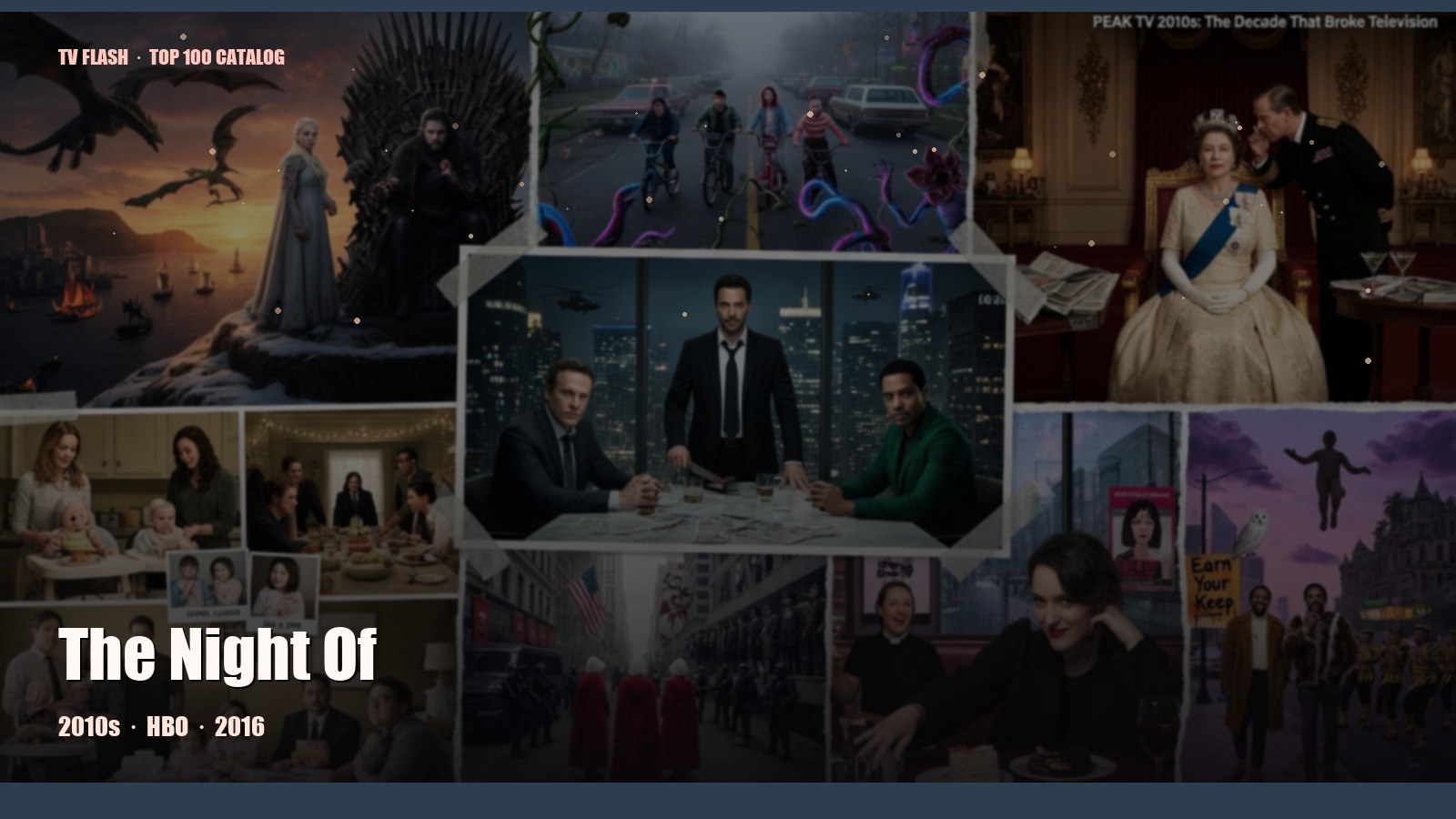
The Night Of (HBO, 2016) files him as Freddy Knight: a limited crime as due process horror, prison as a machine that grinds, no easy outs on the last call. s01e01 is one wrong ride; s01e04 makes the system the antagonist; s01e08 closes with Freddy in the grind. TV Flash keeps Omar as the duster thesis, then Freddy as the limited-run machine. Watch the corner. Then the prison. Same civic instrument. A different volume.
FAQ
Where should I start with Michael K. Williams on The Wire?
s01e01. The corner as a system, not a location. Omar is already a whistle and a code — stickup as vocation, honor as a rumor, a civic instrument you can hear coming. Start at the street. Stay for the report card.
Lead, supporting, or ensemble?
Ensemble of the jurisdiction, lead of the street’s code. Institutions are the leads; Omar is the rare figure with his own bylaws. On The Night Of he is limited-series support as Freddy — prison as a machine, no easy outs.
What hour still shows the turn?
s01e06, the title episode: the wire as ethics and as plot engine. For policy as tragedy, s03e11. On The Night Of, s01e08 closes the grind. Watch the duster like a thesis. Style without becoming a clip.
Networks & studios
- HBO — via catalog credits
On the dial
Shows in our catalog
On the web
External sites for further reading — TV Flash is not affiliated with these networks or studios.
Stay on this channel
More with Michael K. Williams
- ShowThe WireInstitutions as characters — the show people cite to win arguments.
- ShowThe Night OfOne wrong ride — Riz Ahmed’s breakout and prison-system dread.
- The Binge BriefThe Institution Was the LeadDavid Simon’s Baltimore is not a crime show with extra homework. It is a novel in five civic volumes, and the corner was never the point.
← All actors · All shows · Networks · Studios