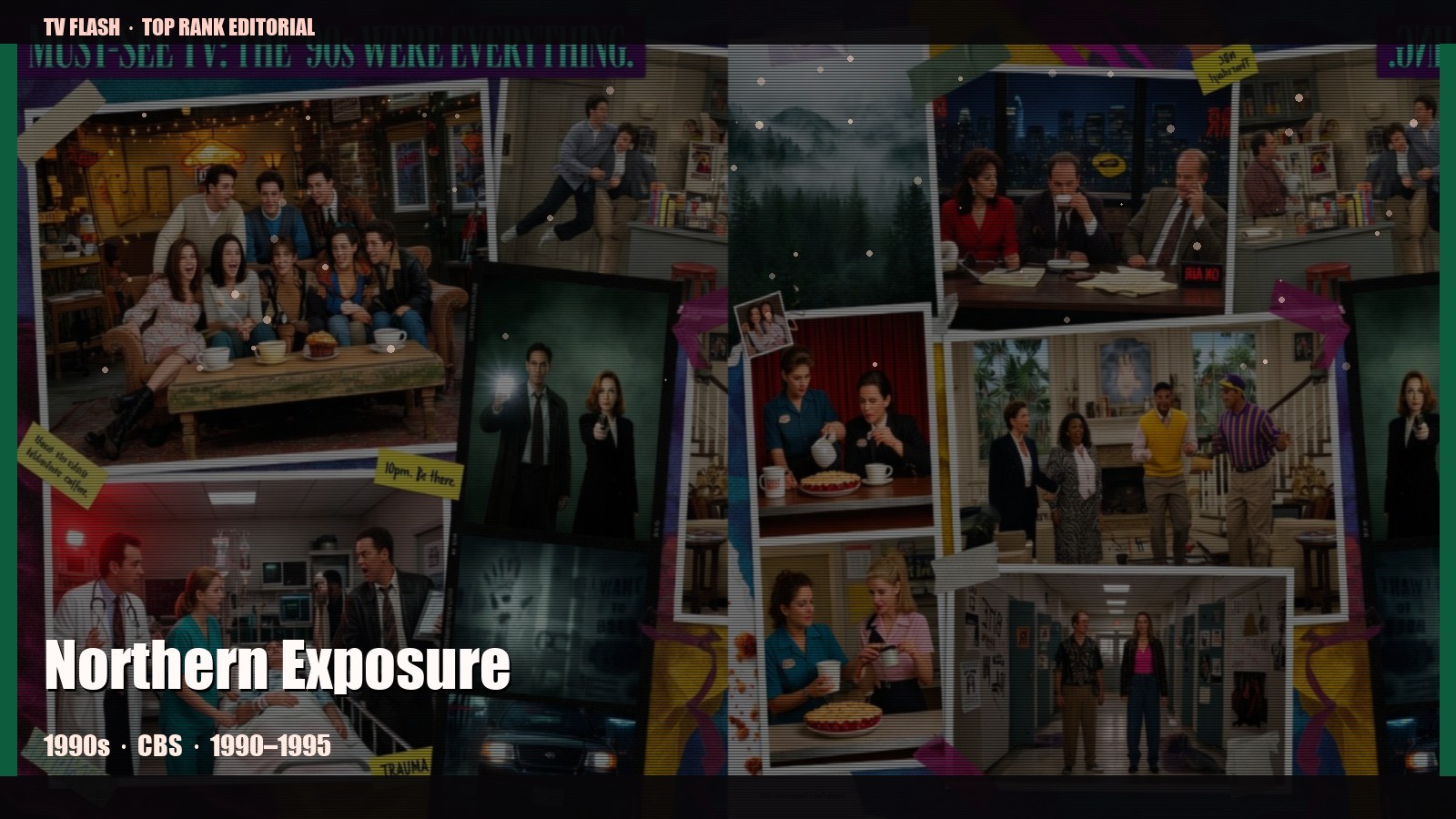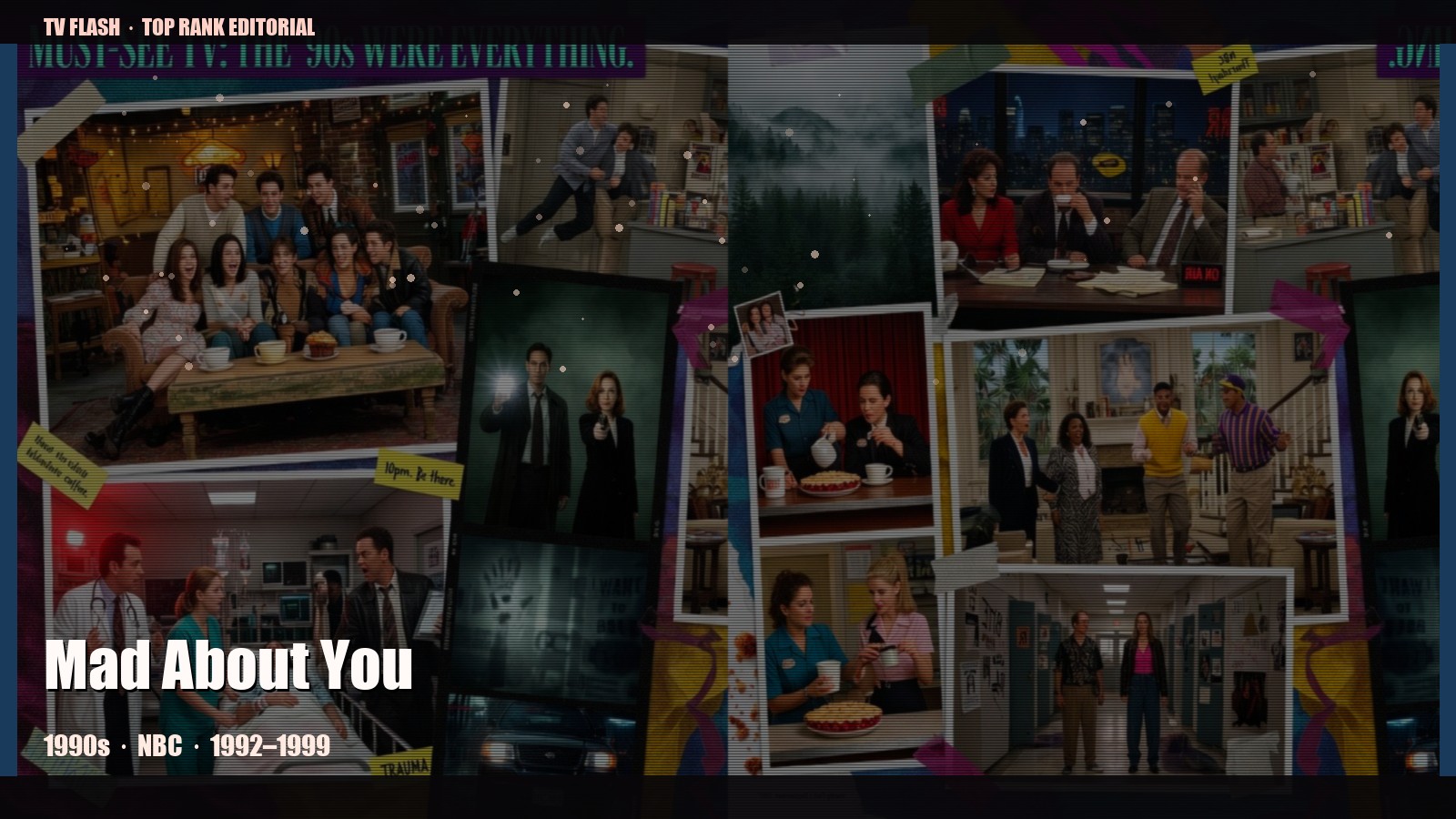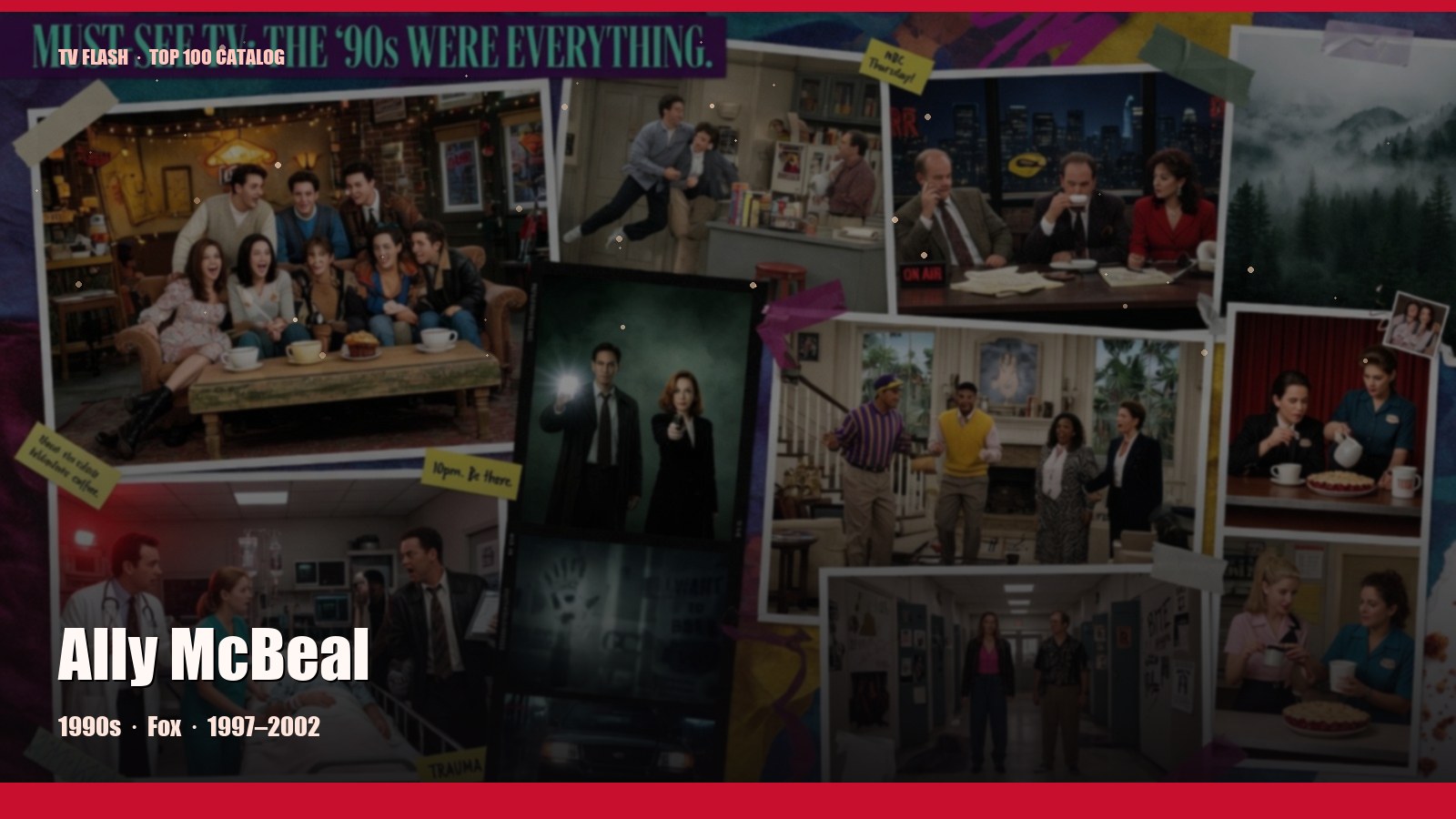
Friends
The fountain, the couch, the haircut — global sitcom soft power.
1990–1999
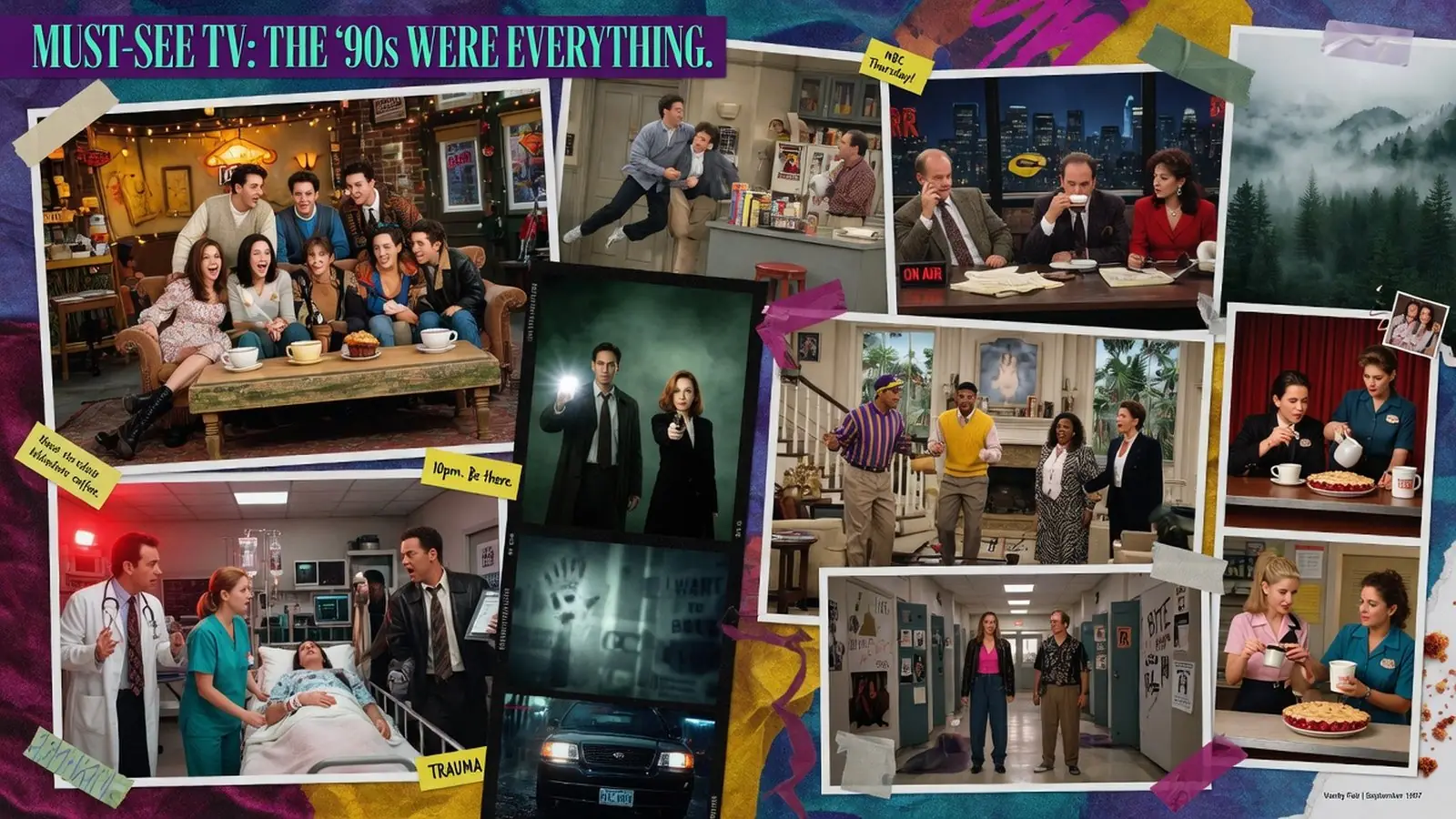
The 1990s on TV Flash is Must-See & Must-Talk: Friends and Seinfeld make the apartment and the diner national furniture, ER keeps the gurney on a clock, and The X-Files sells flashlight paranoia. Buffy the Vampire Slayer and Twin Peaks prove the decade could also do high school myth and small-town dread.
Friends-giving energy, monster-of-the-week myth, and appointment comedy.
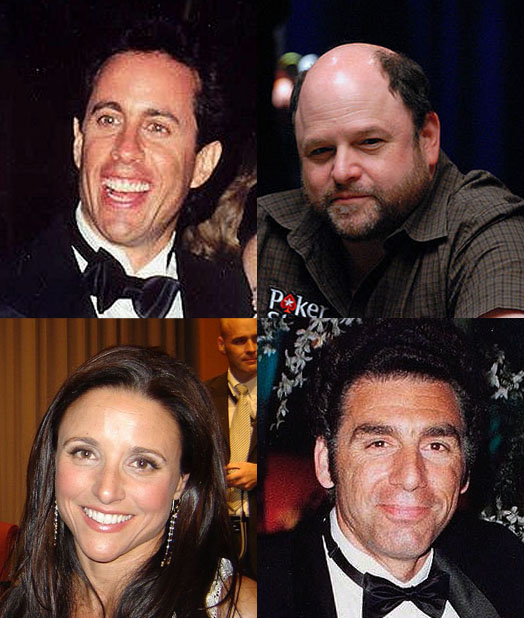
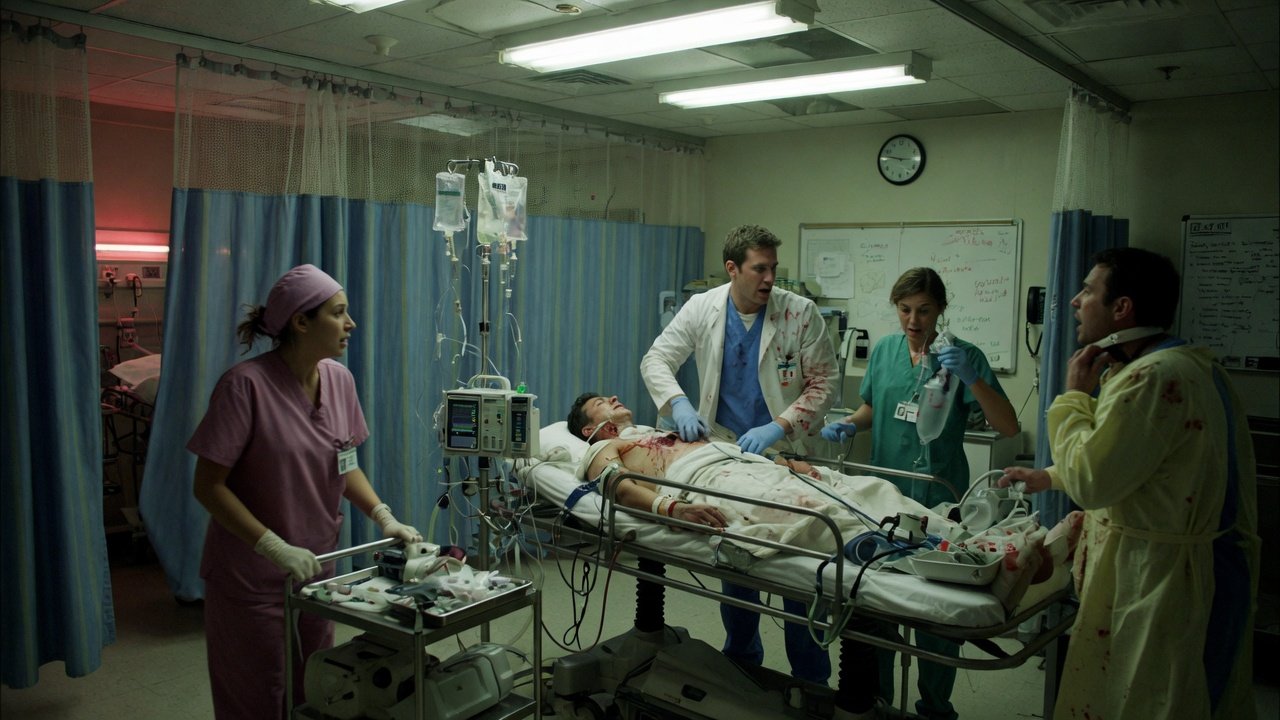
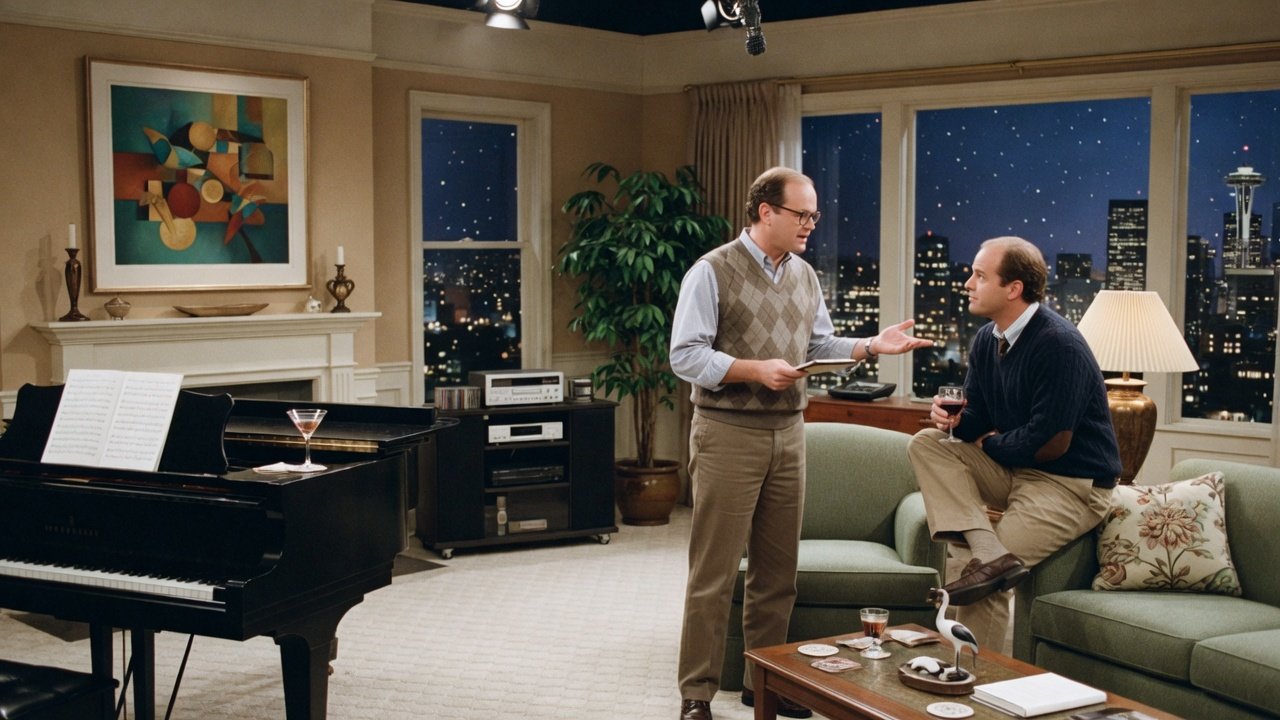
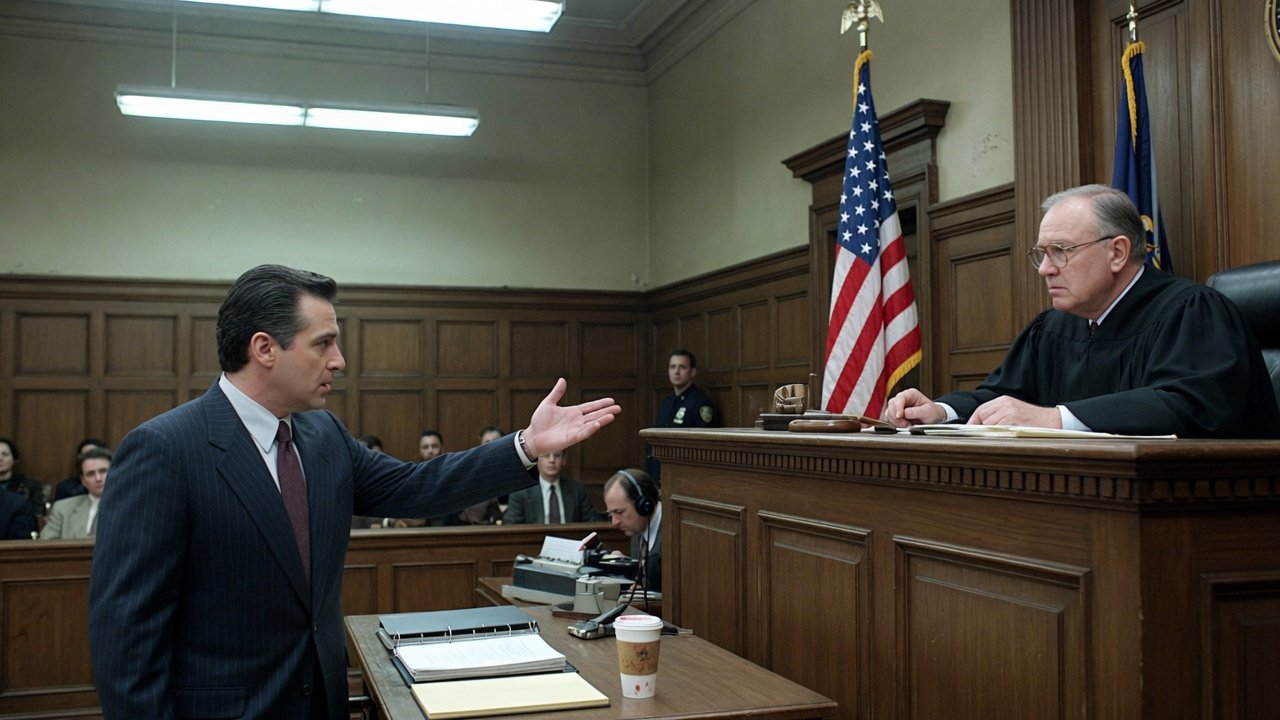
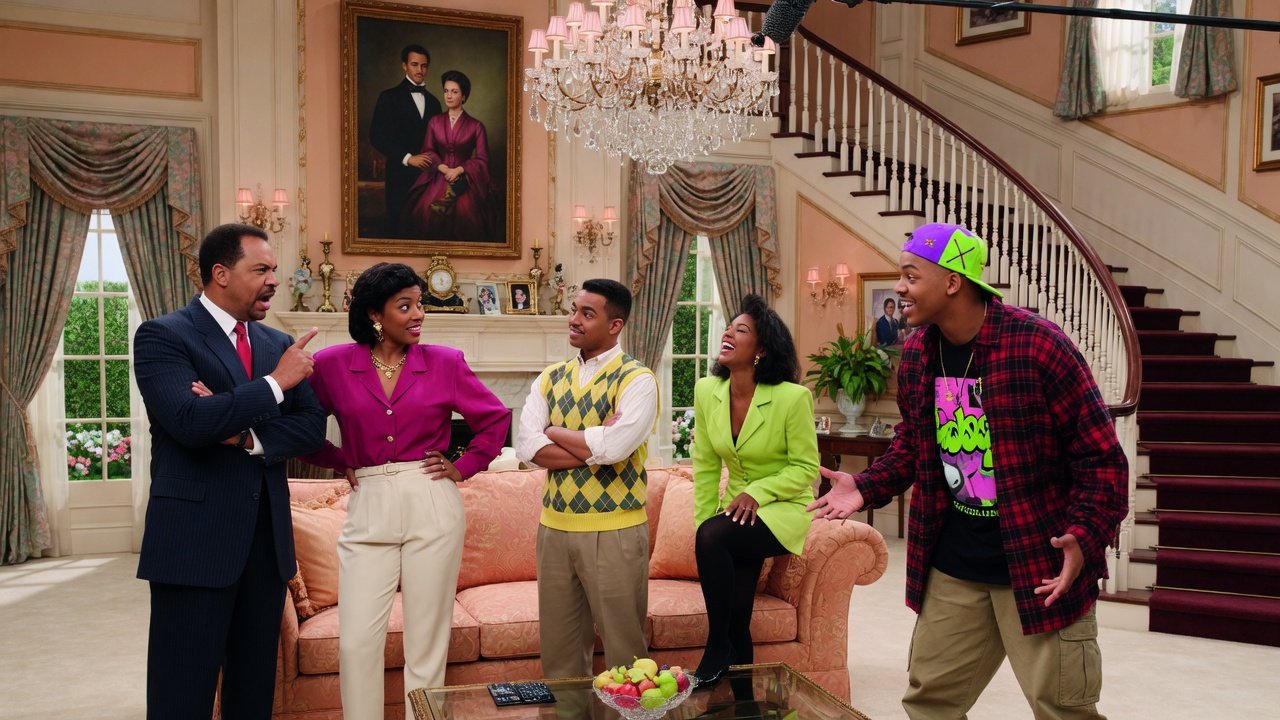
On TV Flash, the 1990s is the last great age of everybody watching the same Thursday and then talking as if they had been in the room. Friends and Seinfeld make the apartment, the coffee shop, and the diner into infrastructure; Frasier keeps the hangout in a radio booth and a Seattle cafe; The Fresh Prince of Bel-Air puts a West Philadelphia kid in a mansion and lets the sitcom flex. ER and Law & Order keep the gurney and the arraignment on a clock you could set a week by. This is not 1980s oil-soap. It is must-see as a social contract.
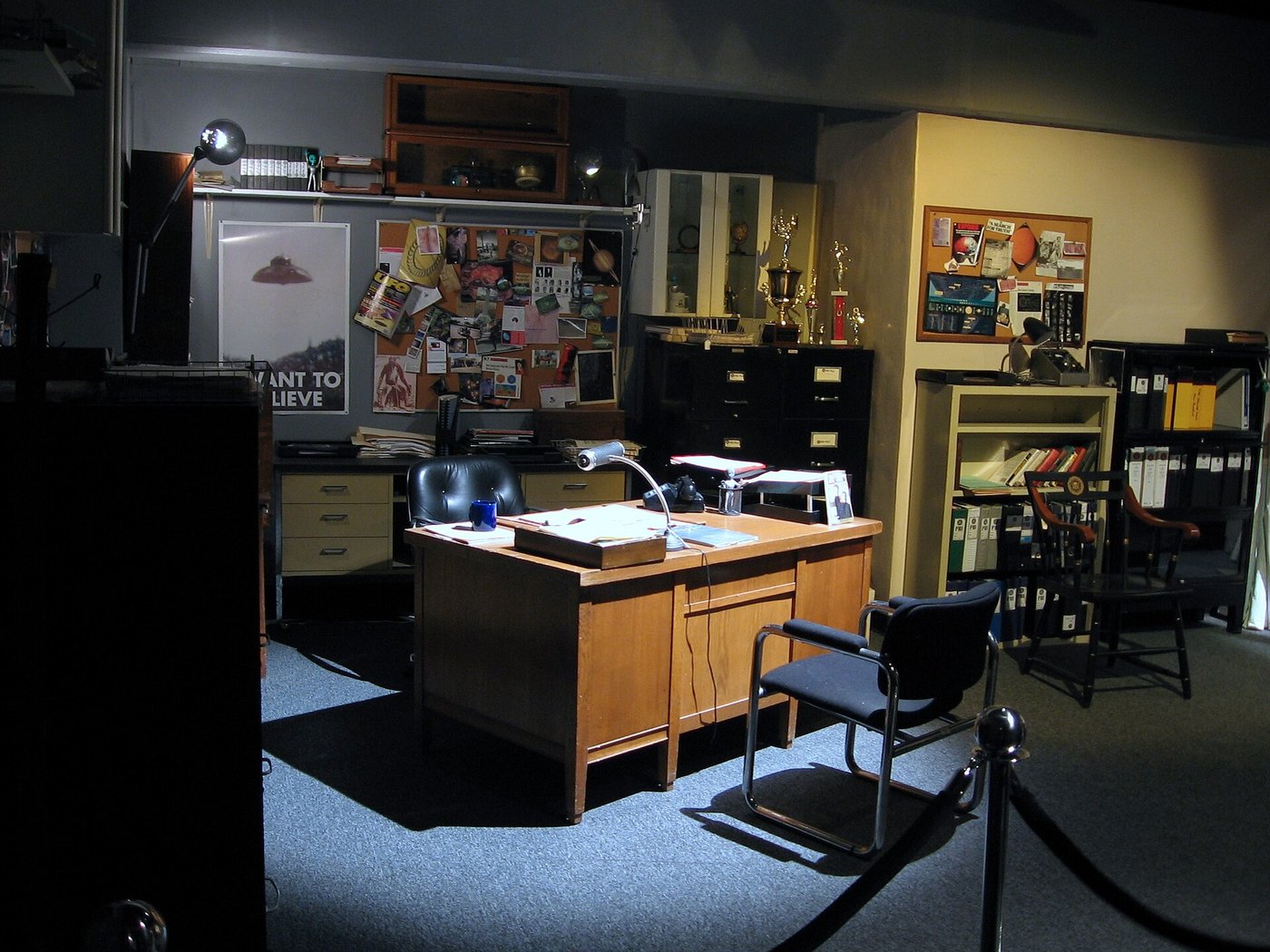
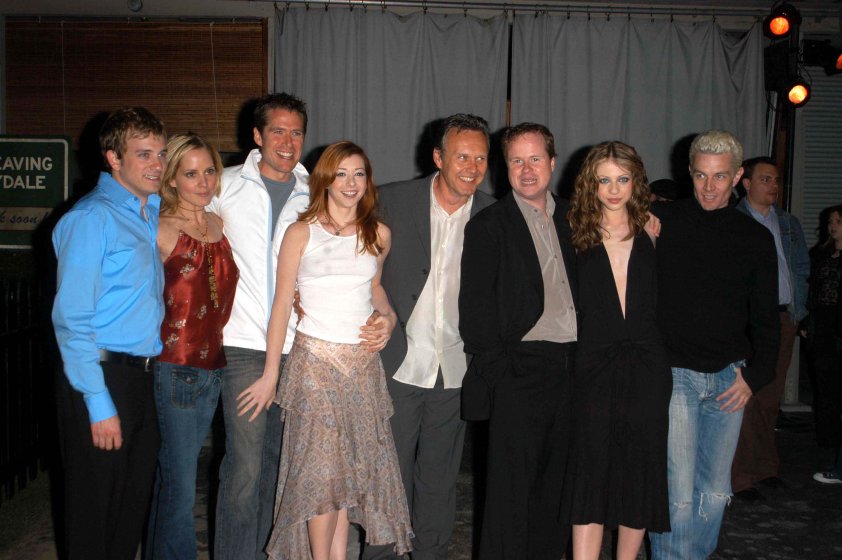
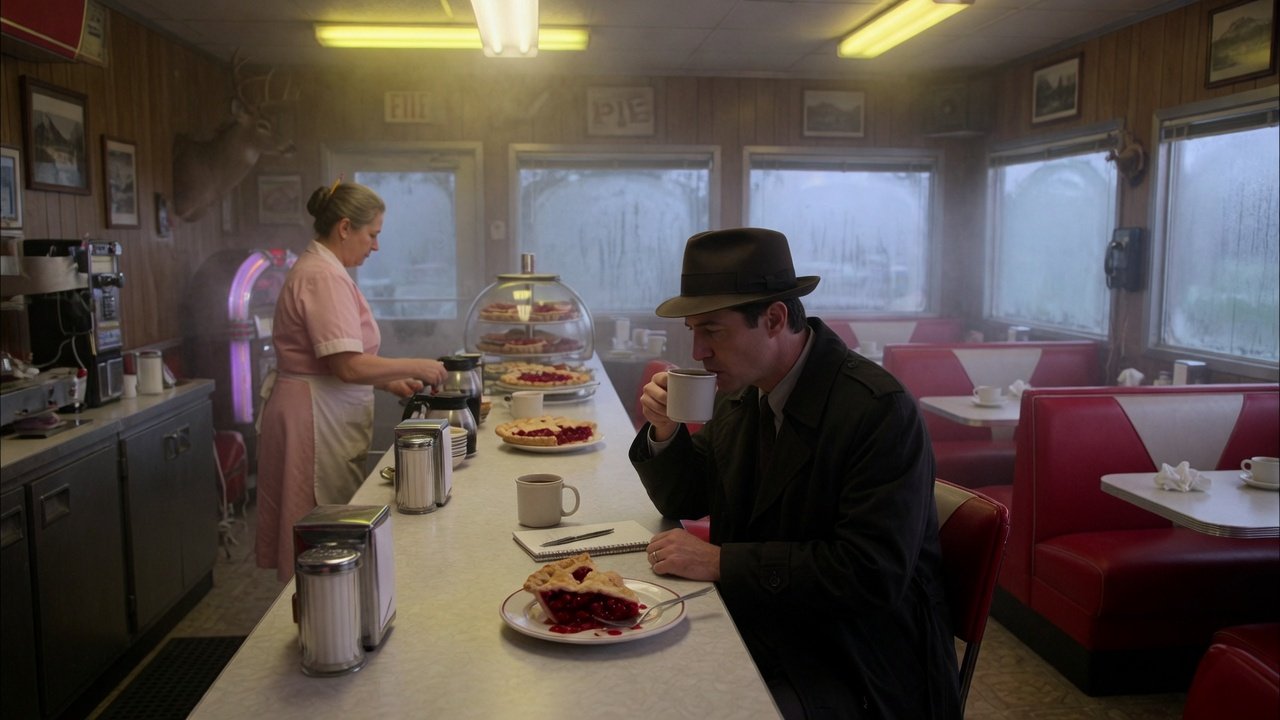
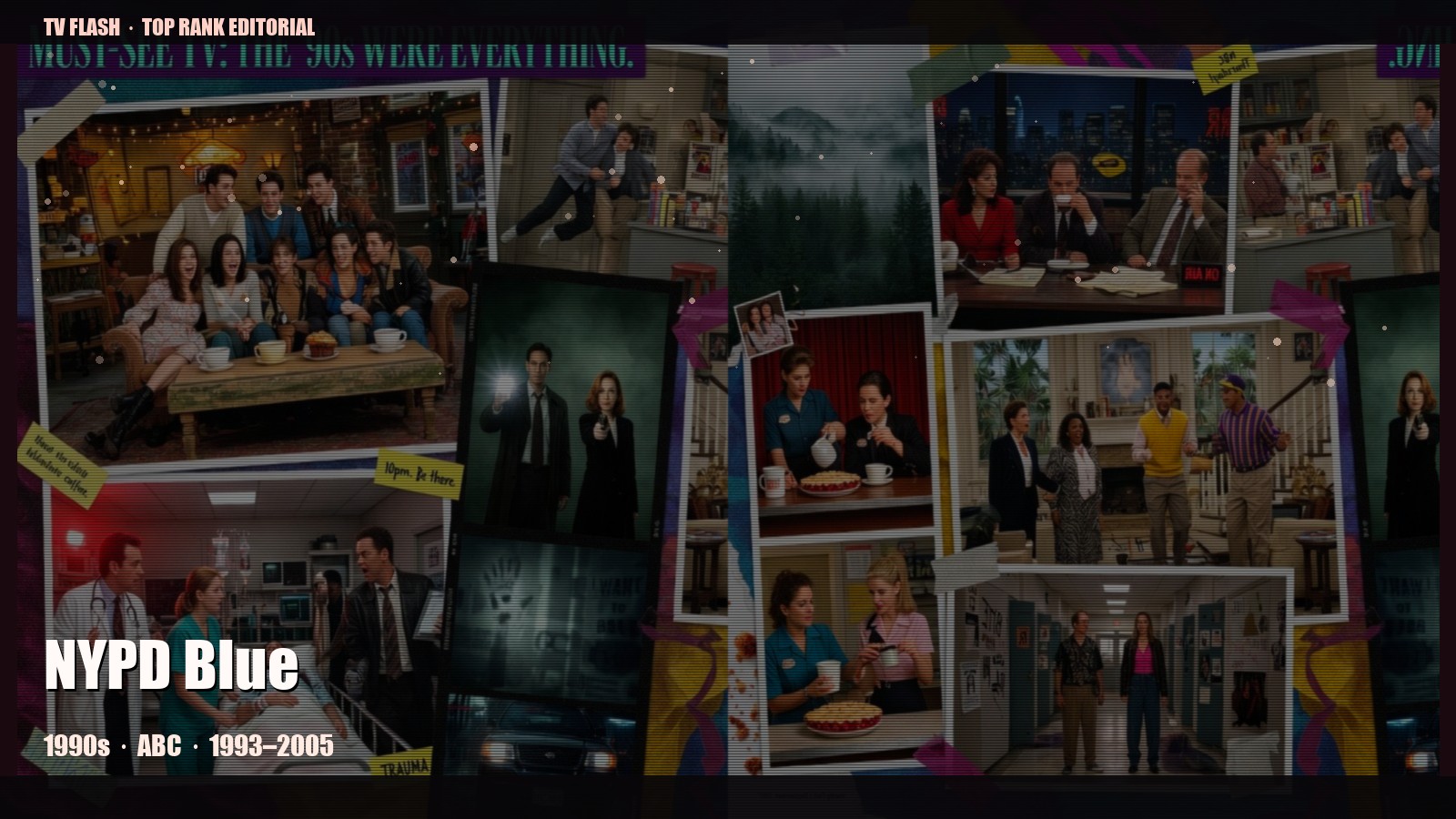
The other 1990s is the weird and the civic. The X-Files sells flashlight paranoia as a weekly franchise; Buffy the Vampire Slayer treats high school as a Hellmouth with jokes; Twin Peaks makes a small town feel like a dream you were not invited into. The Sopranos arrives at the end of the decade and treats a mob family like a novel cable would keep writing. Side heat on the same hub: The West Wing as walk-and-talk civics, Sex and the City as another New York. Catalog flavor includes NYPD Blue, Northern Exposure, and The Larry Sanders Show. Start with Friends or Seinfeld if you want the monument. Stay for Twin Peaks or The X-Files when you want the decade to stop being a hangout.
Start with Friends or Seinfeld if you want the must-see hangout, ER or Law & Order if you want the workplace clock, The X-Files if you want the flashlight. Buffy the Vampire Slayer and Twin Peaks are the myth door. Then The Sopranos at the decade's end, with The West Wing and Sex and the City as side heat — civics and another Manhattan.
Like a Thursday you could not miss and a watercooler that already behaved like a timeline. Friends and Seinfeld made apartments infrastructure; ER and Law & Order made hospitals and arraignments a ritual; The Fresh Prince of Bel-Air and Frasier kept the sitcom elastic. Meanwhile The X-Files, Buffy, and Twin Peaks proved the same decade could do monster-of-the-week myth and small-town dread. The Sopranos showed up late and changed the temperature.
Skip treating Friends as the whole decade when Twin Peaks, The X-Files, and The Sopranos are on the same hub. Skip expecting The Wire's civic novel or Lost's island argument — that prestige turn is the 2000s. Skip filing The West Wing and Sex and the City as trivia; they are the side door into civics and another New York. Sample the hangout, then the flashlight, then the mob hour.
The 1980s on this site is oil cliffhangers, neon vice, and barstool hangout — Dallas, Miami Vice, Cheers. The 1990s keeps the hangout, nationalizes Thursday, and adds flashlight myth plus the first cable novel (The Sopranos). The 2000s makes antiheroes, islands, and mockumentary offices the main weather: The Wire, Lost, Mad Men, The Office (U.S.). Must-see first; prestige as a mood next.
Highlight shows
The fountain, the couch, the haircut — global sitcom soft power.
A show about nothing that became everything — cruelty as comic precision.
Trust no one — monster nights and mythology Sundays.
Steadicam adrenaline and cast breakouts on a weekly trauma loop.
Hellmouth high school as metaphor engine — and fandom seminary.
Who killed Laura Palmer? — dream logic that broke network TV's brain.
Farce at opera volume — spinoff that out-fancified the original.
Dun-dun — franchise mitosis as a business model.
West Philadelphia → Bel-Air — star vehicle that became a language.
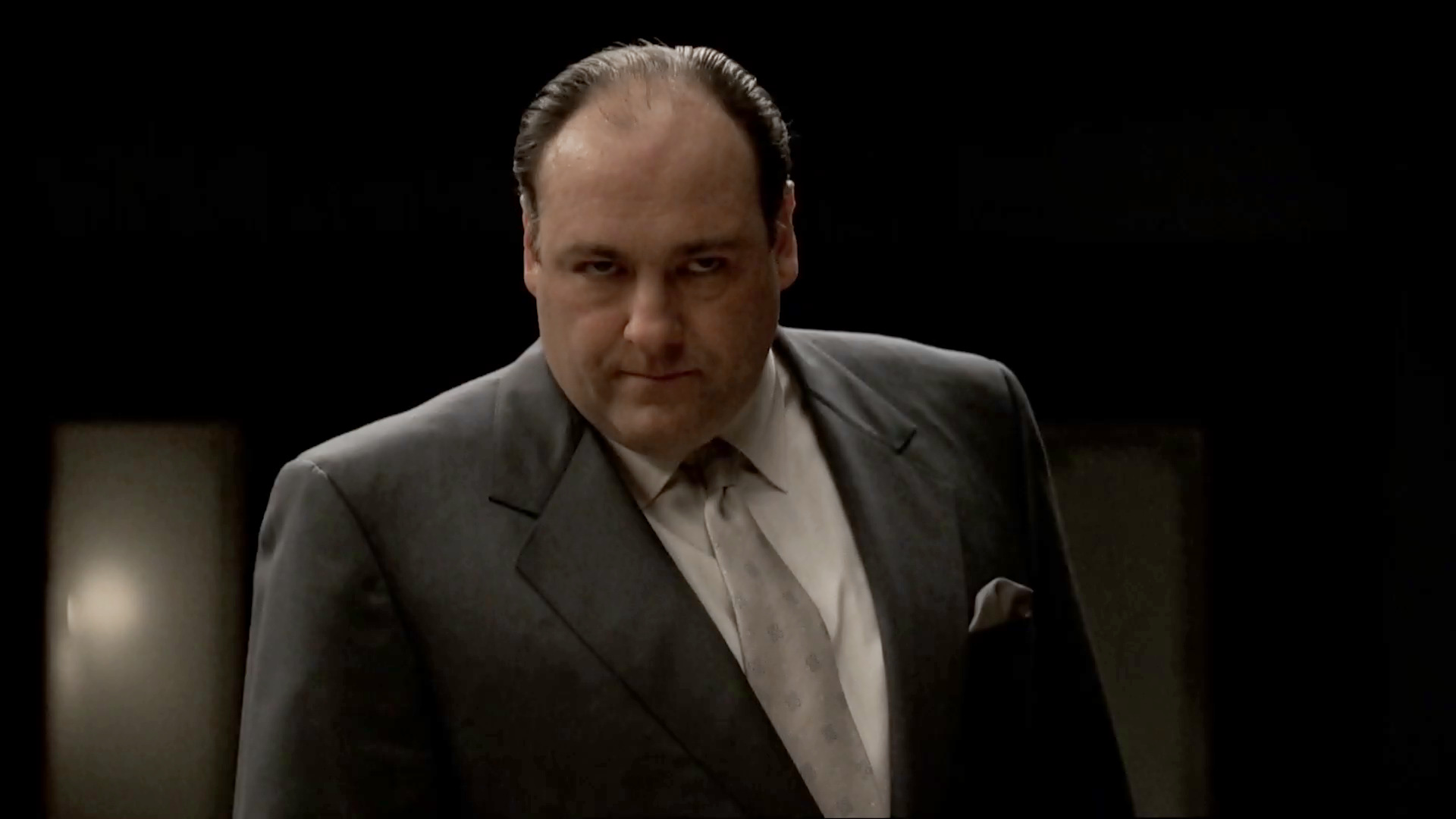
Therapy for a mob boss — the switch that flipped prestige TV on.
Side shows
Top 100 catalog
Expanded ranking beyond our highlight reel — full pages, cast, and editorial links.
Construction-paper chaos that could roast anyone by Friday.
Zip-code soap that taught networks teens would show up every week.
Butts, badges, and Sipowicz — network TV learning to be adult out loud.
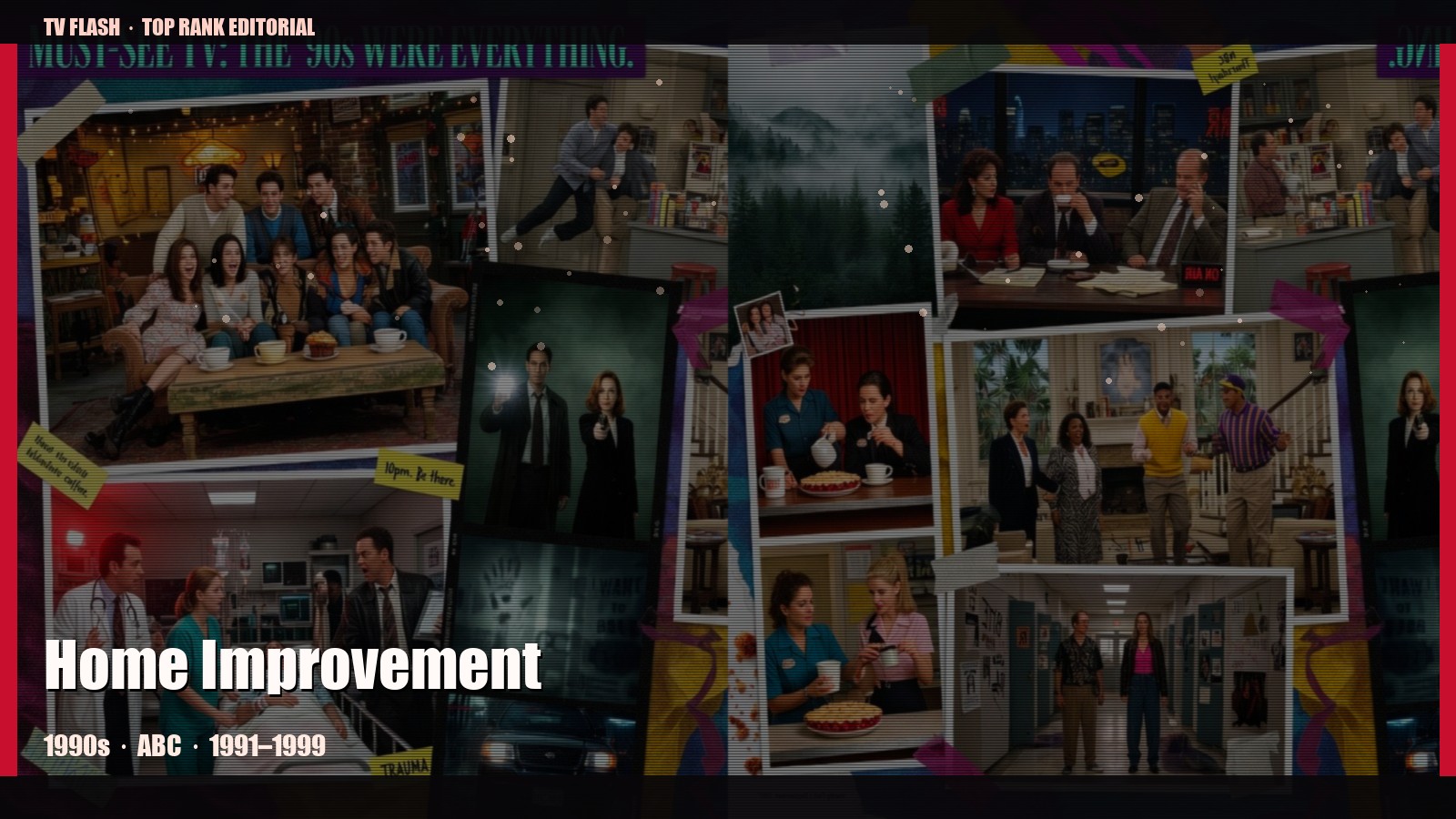
Tool Time testosterone and Tim Allen’s grunt — a 1990s ratings bulldozer.
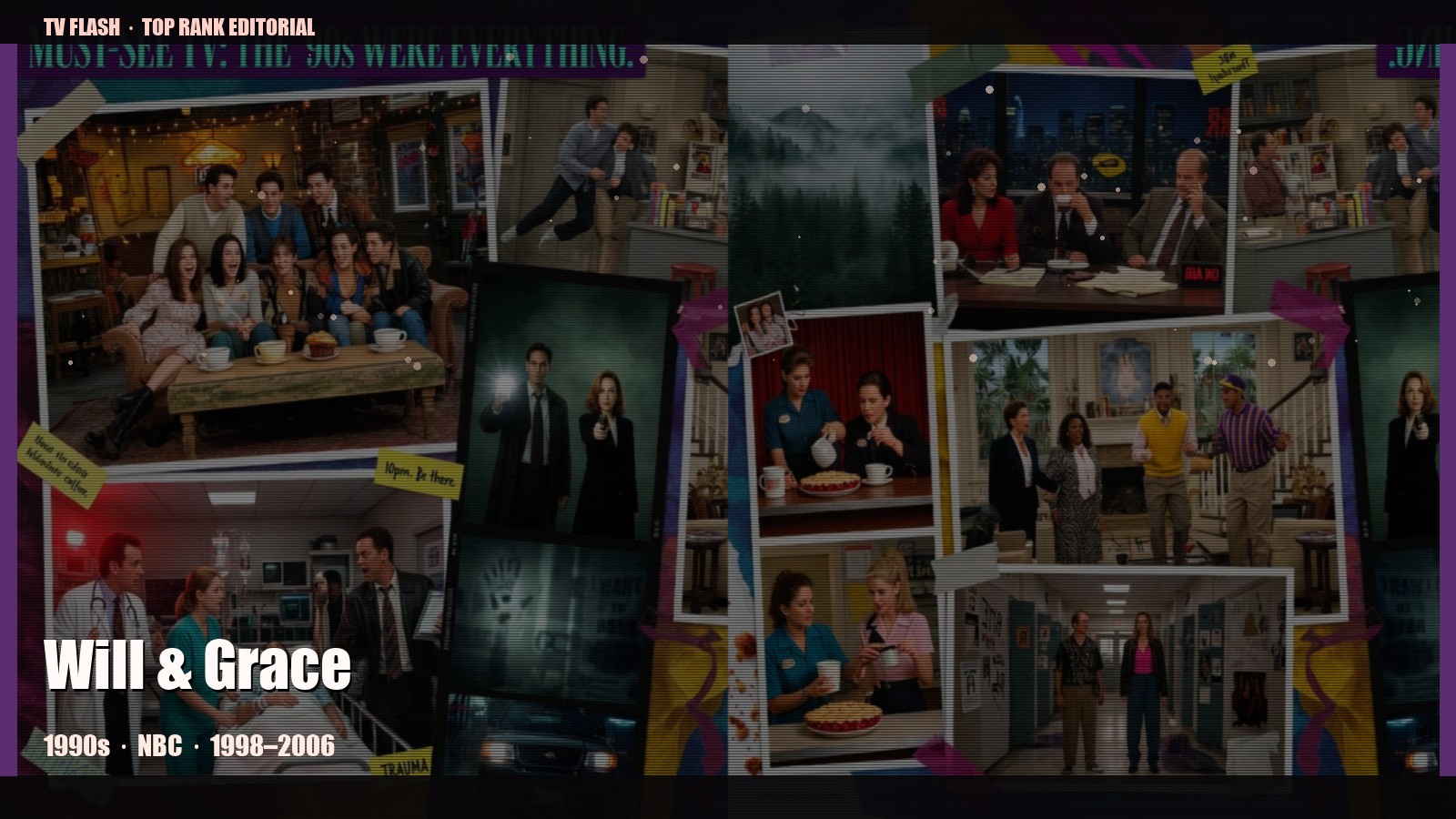
Gay best friend goes lead — Must-See TV with a culture-shifting punchline rate.
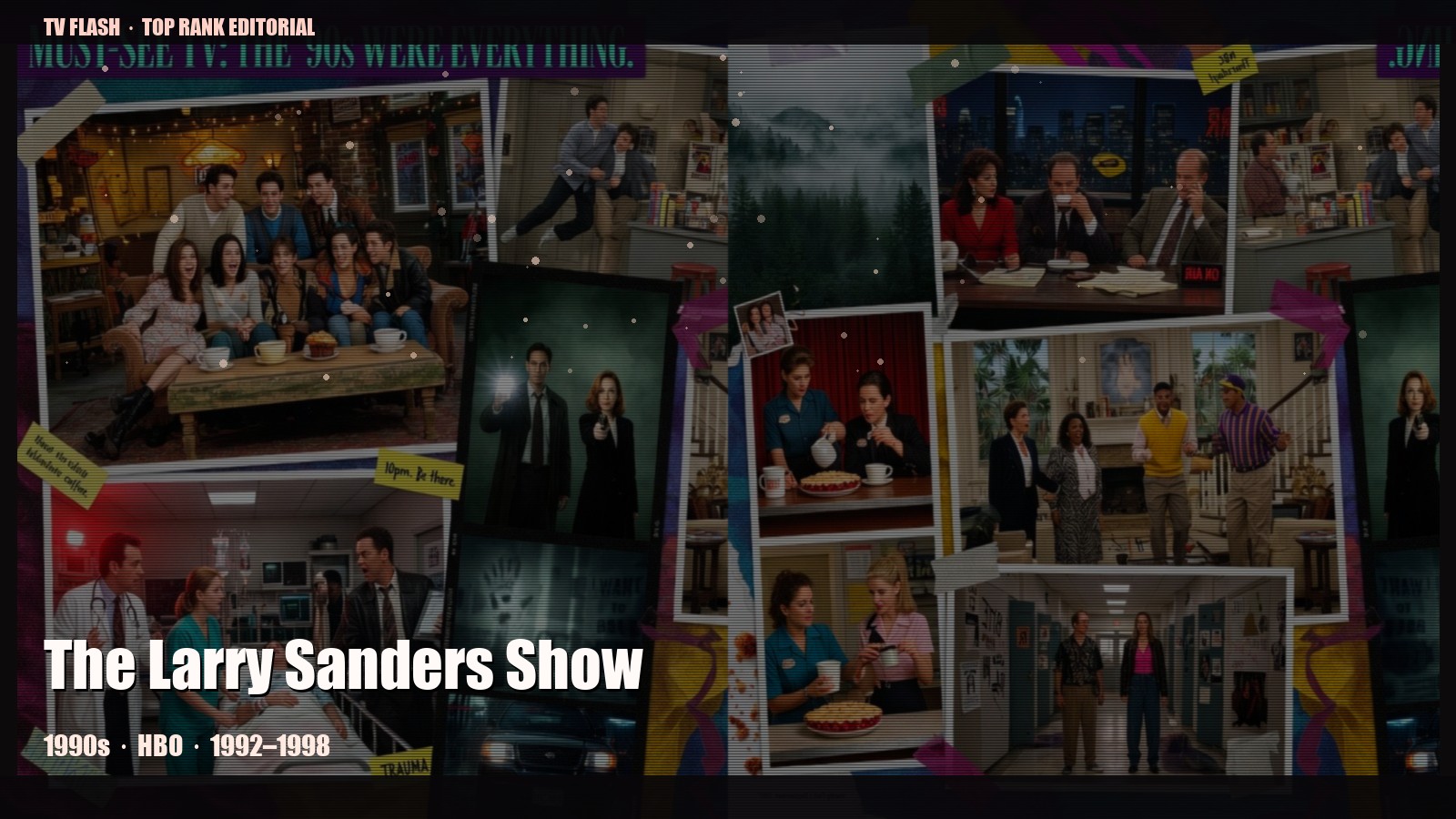
Late-night backstage as blood sport — meta comedy that taught prestige how to laugh.
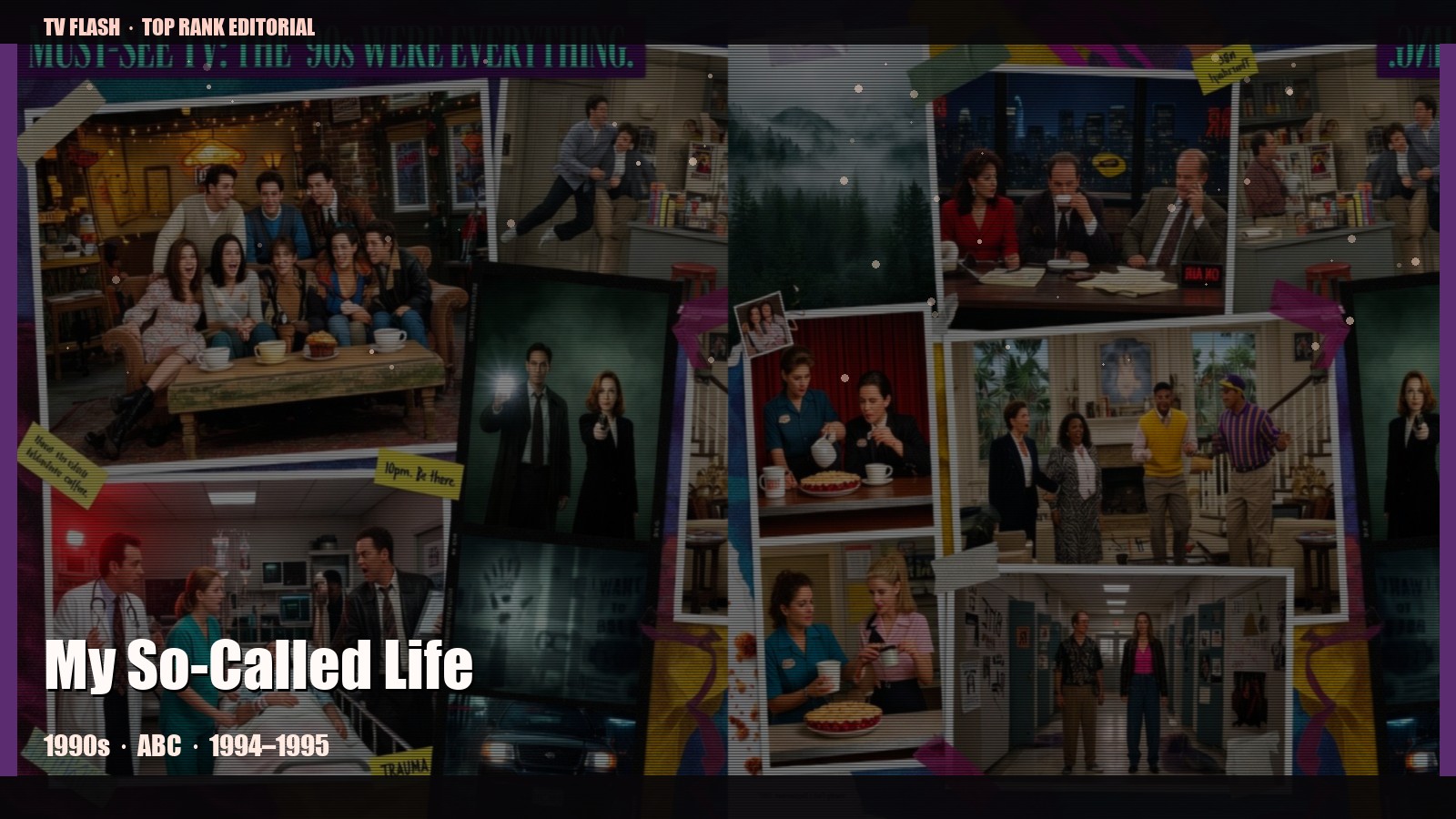
Angela Chase narrates adolescence like it actually hurts — one perfect canceled season.
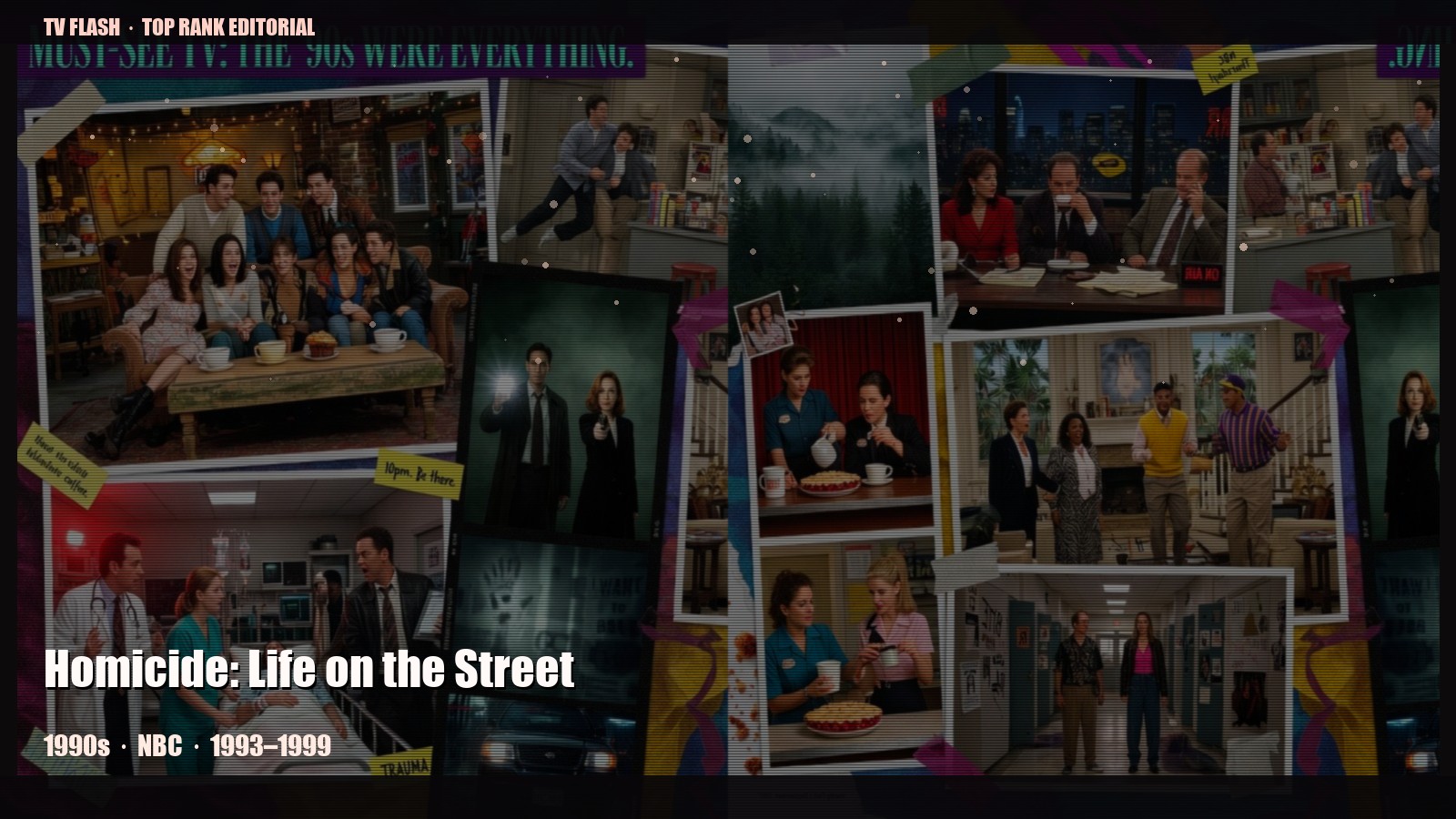
Baltimore detectives, handheld grit, and cases that don’t tidy up for sweeps.
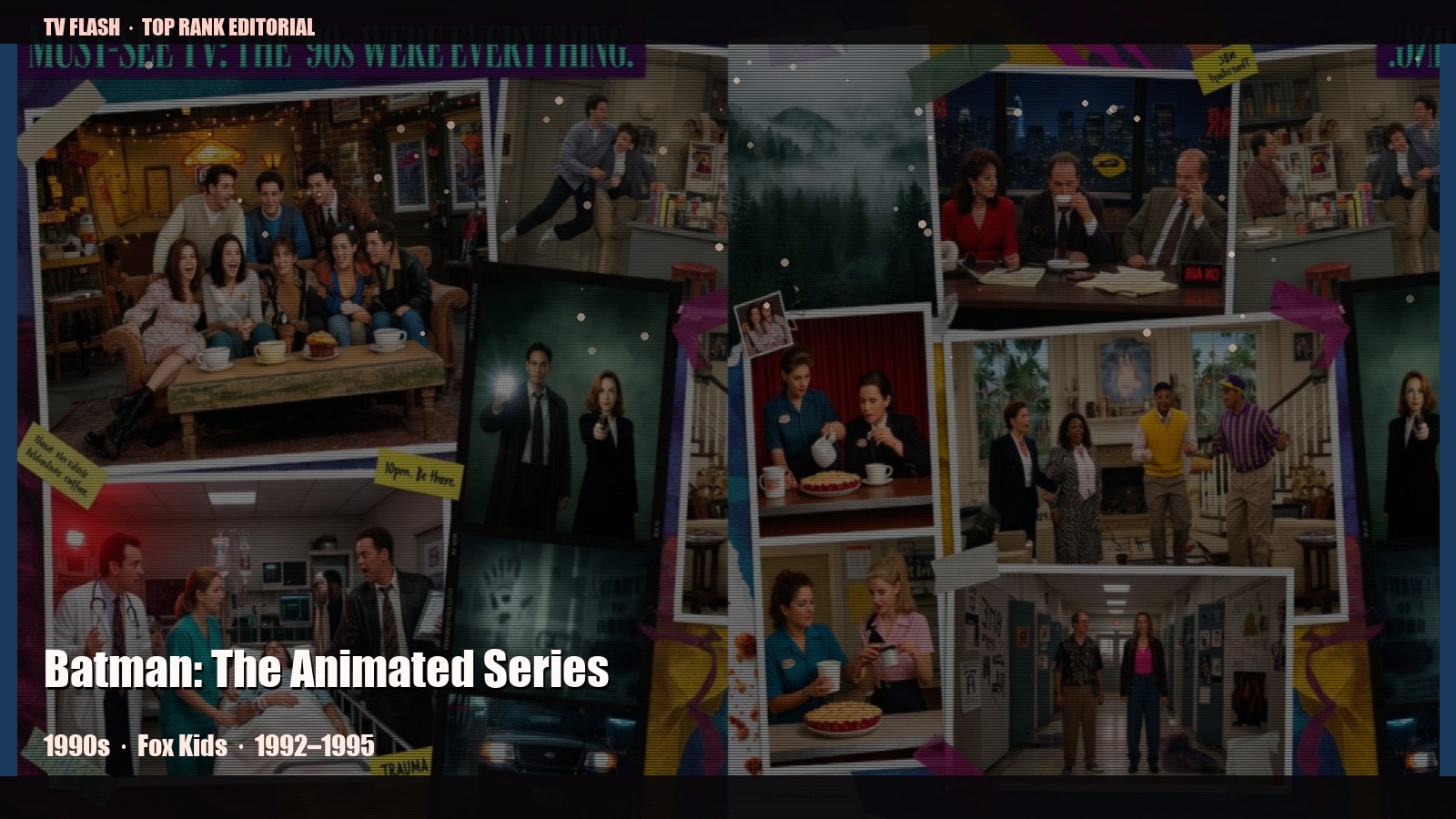
Art-deco Gotham with Conroy’s growl — kids’ TV that adults claimed.
Long Island in-laws as contact sport — multi-cam marriage comedy at peak craft.
Seven strangers… pick a fight — the reality template that never left the house.
Teens who talk like grad seminars — Pacey, Joey, and the creek that launched a network.
Prison as pressure cooker — HBO brutality before Tony ever saw Dr. Melfi.
New York doctor, Alaska weird — quality TV with moose cameos.
Newlywed micro-comedy on Must-See — marriage as a two-hander with a dog.
Dancing babies, short skirts, and workplace longing — late-’90s cultural flashpoint.
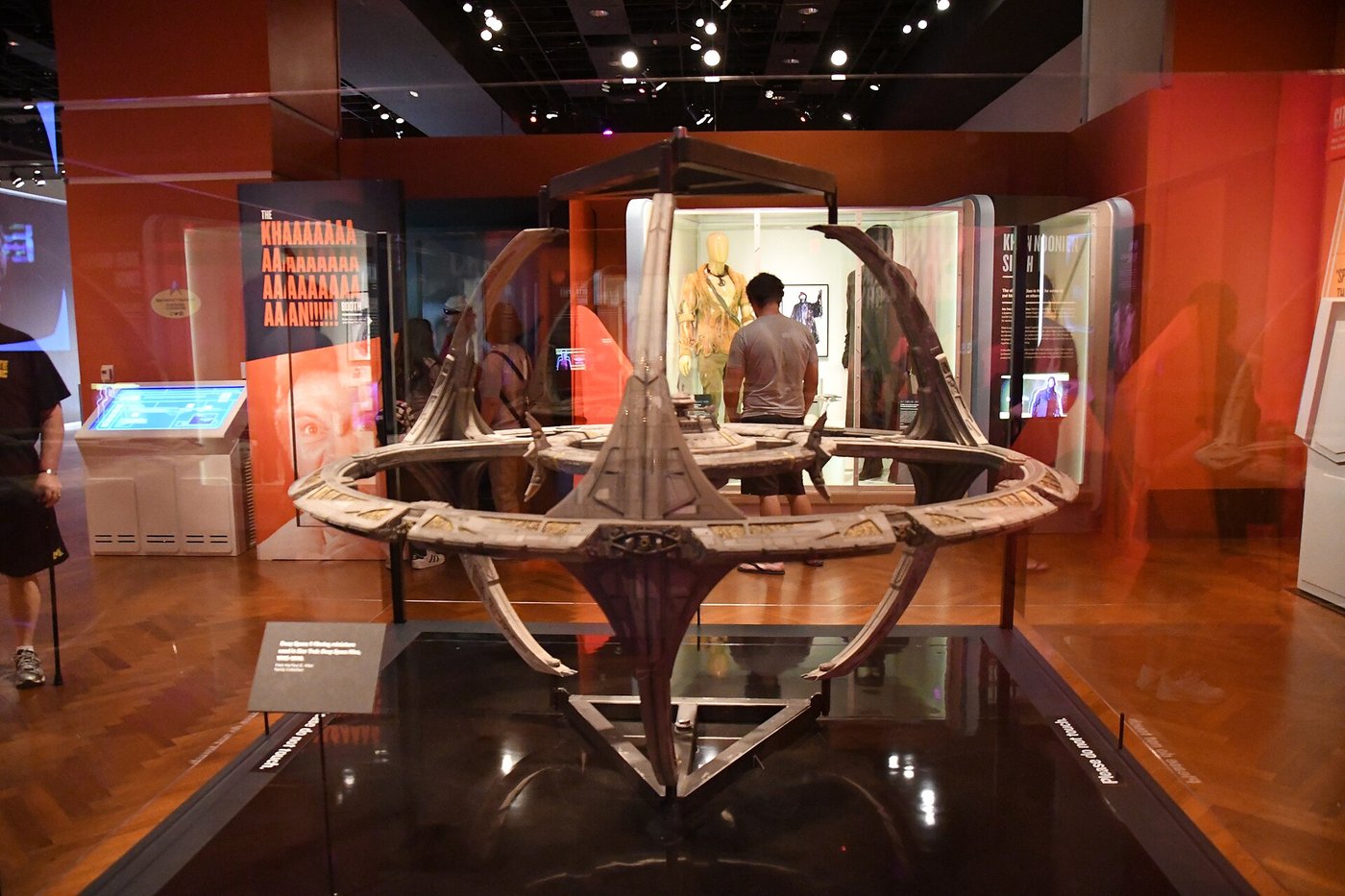
Trek stays put — serialized war, religion, and politics on a space station.
Orphaned siblings keep a family and a restaurant alive — teen prestige tears.
1980s high school, 1999 soul — the perfect canceled cult classic.
Propane and patience — Texas suburbia drawn with surprising grace.
Wayans sketch chaos that minted stars and made Fox feel dangerous.
Zack’s schemes at Bayside — teen sitcom as eternal Saturday-morning memory.
Apartment-complex villainy — Heather Locklear enters and the gloves come off.
Fran Fine’s voice, wardrobe, and Queens energy invade a Broadway household.
Aliens in human suits discover emotions, bureaucracy, and Jane Curtin.
Basement circle, shag carpet, and “hello Wisconsin” — ’70s nostalgia as late-’90s hit.
Sorkin walk-and-talk in a sports highlight studio — two seasons of velocity.
Warrior princess, sidekick bard, and subtext heard ’round the world.
A five-year novel for television — space-station politics with planned arcs.
Portal to the stars — franchise engine born from a film and built for the long haul.
WNYX workplace farce — Phil Hartman perfection in a radio station madhouse.
Boston lawyers, moral gray, and David E. Kelley’s Emmy factory.
Bookstore sitcom that made history with “The Puppy Episode.”
Cory, Topanga, and Mr. Feeny — growing up on TGIF in public.
Deadpan teen vs. high-school phonies — sarcasm as superpower.
Huh-huh-huh — music-video hecklers who became a moral-panic headline.
Babies narrate the world — Nicktoons as ’90s childhood operating system.
Warner siblings cause educational chaos — zany variety for kids and parents.
Gross-out expressionism for kids — Nicktoons’ deranged art film.
Phone-a-friend fever — quiz show as primetime event TV at decade’s end.
Brooklyn brownstone friend group — Black Friends before Friends was a comparison.
Martin Lawrence’s radio-host swagger — character comedy as Fox counterprogramming.
Cleveland rocks — big box store workplace sitcom with musical cold opens.
Mayoral farce in NYC — Michael J. Fox’s comeback engine.
Nantucket airline brothers — Cheers-adjacent comfort with a one-plane airline.
Robert Stack’s trench coat and that theme — true crime as living-room séance.
Bad boys theme, ride-along camera — policing as vérité spectacle.
Home-video fails as primetime — user-generated comedy before YouTube.
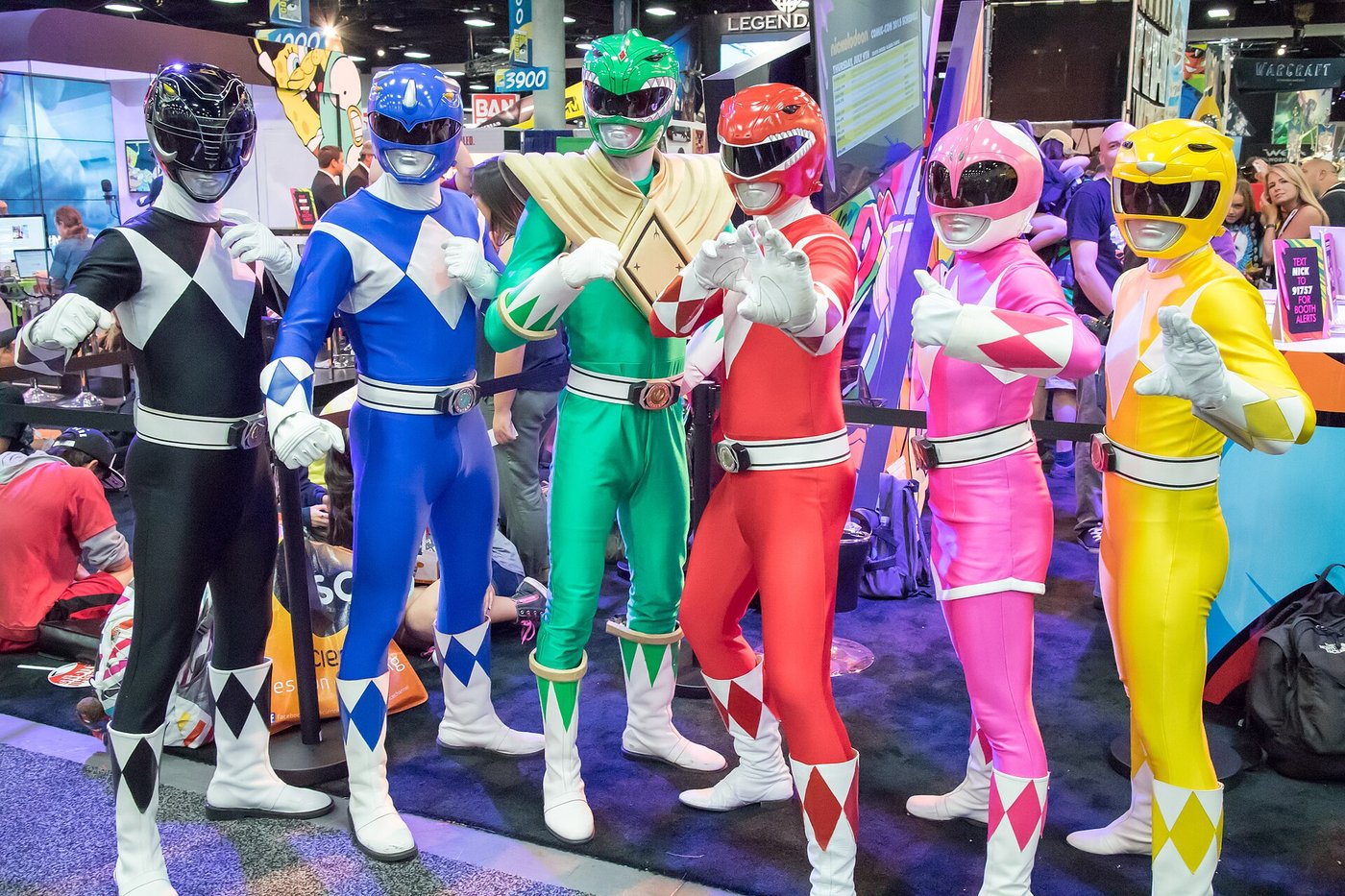
Morphin time — Japanese footage, American teens, merch supernova.
Mutants on Saturday mornings — comic continuity for a mass kid audience.
Gotta catch ’em all — late-’90s kids’ globalization in pocket-monster form.
Delivery boy of the future — Groening sci-fi pathos under the jokes.
Sugar, spice, and Chemical X — girl-powered shorts that defined CN’s brand.
Boy genius vs. sister Dee Dee — secret lab slapstick that built CN’s comedy voice.
A washed-up hero hosts a talk show — Adult Swim’s ancestor in a cape.
Silhouette riffing on bad movies — thrift-store cinema as religion.
Sweetie darling — fashion PR degenerates as British import icons.
Near-silent physical comedy that traveled without subtitles.
Jane Tennison breaks the boys’ club — prestige British crime as event import.
Small-town weird cases — Bochco’s Rome, Wisconsin fever dream.
ER’s rival hospital — prestige white coats on the other network.
Navy lawyers with jet fuel — procedural that quietly built a franchise navy.
Chuck Norris roundhouse justice — sincere pulp that became meme archaeology.
Kevin Sorbo’s demigod road trip — syndicated myth with buddy-comedy heart.
Superman as rom-com — Teri Hatcher and Dean Cain’s flying chemistry.
Boy genius doctor journals each episode — Neil Patrick Harris arrives.
Hats, fourth-wall bits, and Very Special Episodes — Mayim Bialik’s first era.
Two Petes, endless summer weirdness — Nick’s most poetic live-action cult.
The Real World on wheels — challenges, RV life, and competition DNA.
Talking cat, magic aunts, and Melissa Joan Hart — TGIF enchantment.
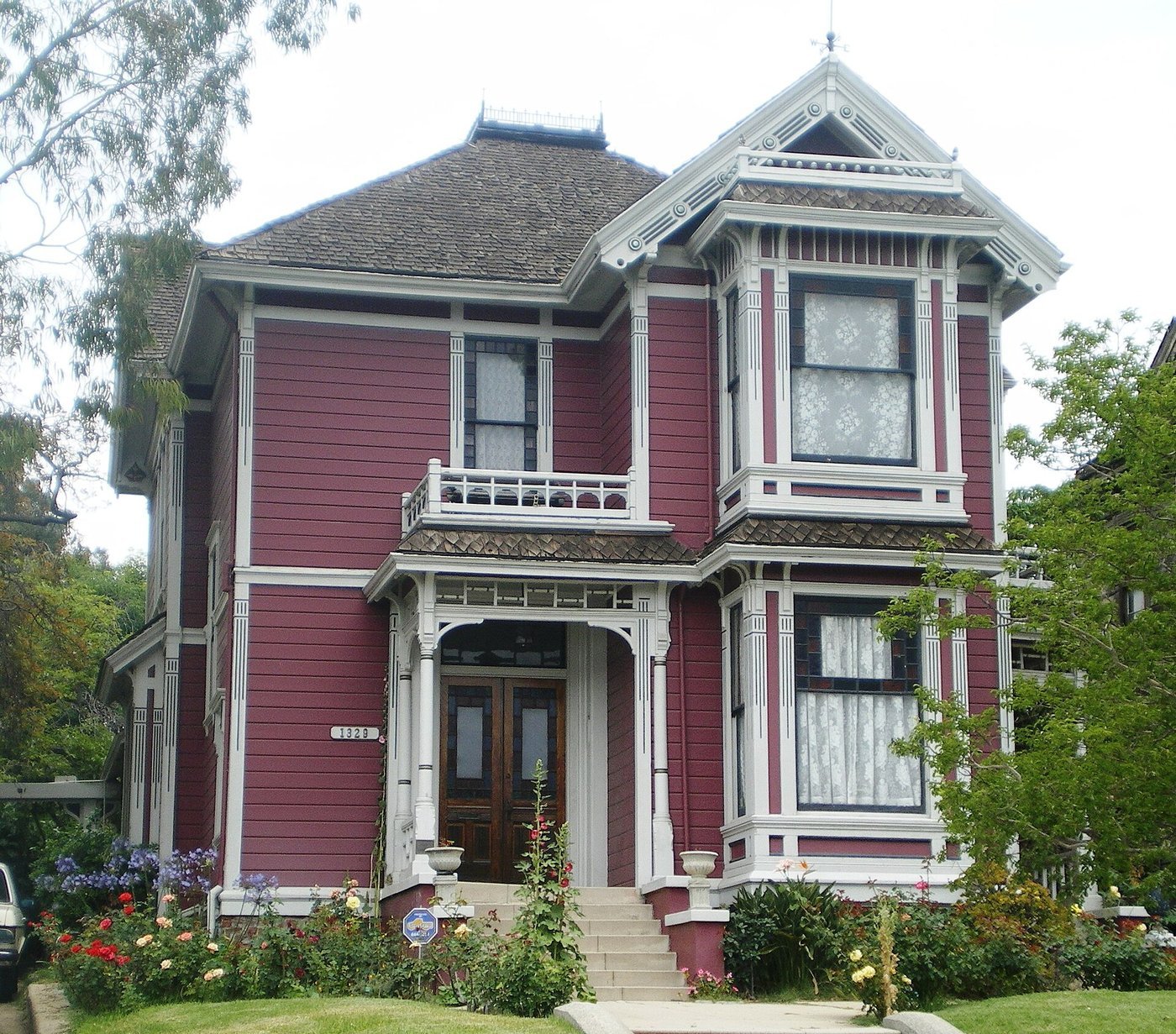
Three sister witches — WB supernatural soap with demon-of-the-week engine.
Cross-country for a boy — and a haircut that became national news.
Brandy in the house — teen sitcom with diary room and realer edges.
Tia and Tamera — twin sitcom energy that defined mid-’90s youth multi-cam.
Woman doctor on the frontier — Saturday family drama with progressive tilt.
Angels with case files — faith-based network drama as comfort appointment TV.
Seatbelts, everyone! — science field trips that ignored every safety board.
Aww, here it goes! — orange soda chaos and All That graduate energy.