Game of Thrones
Dragons, leaks, and a finale that still starts dinner fights.
2010–2019
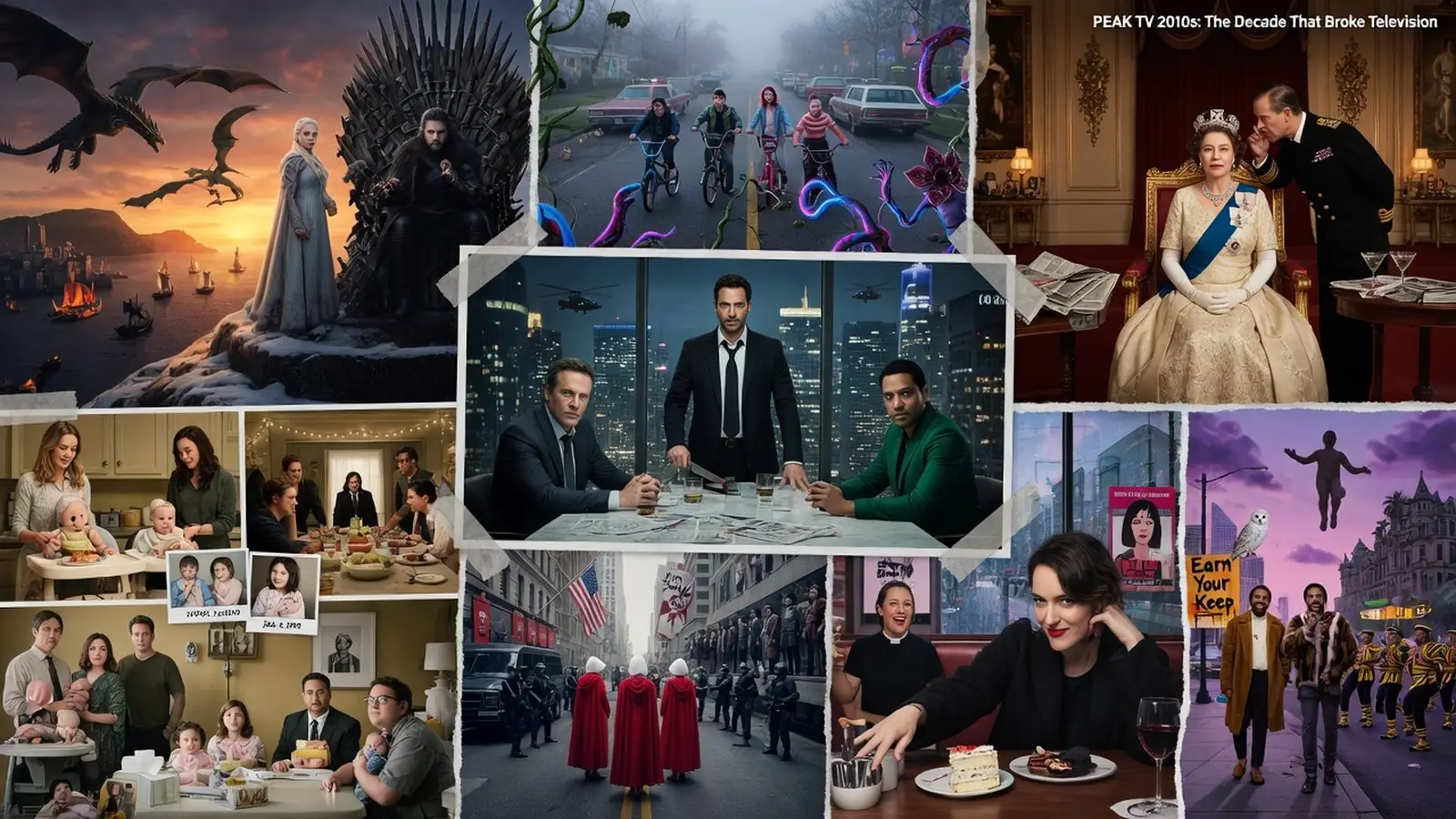
The 2010s on TV Flash is Peak TV & Peak Discourse: Game of Thrones turns Sunday into a siege, Stranger Things sells kids-on-bikes horror as a drop, Succession makes money talk like a family fight, and The Crown treats the palace as a long serial. Fleabag and Atlanta keep the half-hour personal and strange.
Dragons, nostalgia reboots, and stan culture at full volume.
On TV Flash, the 2010s is the decade every living room became a debate club with a remote in one hand and a timeline in the other. Game of Thrones turns Sunday into a siege you had to have a take on; Stranger Things sells kids-on-bikes horror as a platform drop; The Crown treats the palace as a long serial; Succession makes a media family into a blood sport. This Is Us keeps broadcast emotion on a clock; The Handmaid's Tale and Black Mirror keep the warning label attached. This is not one antihero novel a year. It is Peak TV as volume — too many good hours, and a discourse that never clocked out.
The half-hours and the limited hours are the other 2010s. Fleabag and Atlanta keep the comedy personal, awkward, and formally restless; Veep and Schitt's Creek split political farce from a small-town redo. Better Call Saul extends the Breaking Bad universe without becoming a rerun. Side heat on this hub runs loud: The Americans, True Detective, Fargo, The Boys, Euphoria, Chernobyl, Yellowstone, Downton Abbey, The Walking Dead, Mr. Robot. Catalog flavor includes The Leftovers, BoJack Horseman, and The Good Place. Start with Thrones or Atlanta if you want two temperatures. Stay for Better Call Saul or Chernobyl when you want the decade to stop shouting and start bruising.
Start with Game of Thrones if you want the Sunday siege, Stranger Things if you want the drop, Succession or The Crown if you want money and palace as serials. Fleabag and Atlanta are the half-hour door. Then pick a side temperature: The Americans for spy marriage, Chernobyl for the limited bruise, Schitt's Creek if you need the decade to be kind, The Walking Dead if you want the long zombie appointment.
Like too many good shows and a comments section attached to each one. Game of Thrones made Sunday a siege; Stranger Things made a drop a mood; This Is Us kept broadcast crying on cue; Black Mirror and The Handmaid's Tale kept the warning on. Half-hours (Fleabag, Atlanta, Veep, Schitt's Creek) were as argued-over as the thrones. You did not have a night. You had a queue and an opinion.
Skip trying to finish Peak TV; the hub is a map, not a completion badge. Skip treating Game of Thrones as the only door when Atlanta, Better Call Saul, The Americans, and Chernobyl are on the same shelf. Skip the idea that This Is Us does not count because it is broadcast emotion beside Succession's money fight. Sample a siege, a half-hour, and a limited series, then stop before the discourse eats the week.
The 2000s on this site is the prestige turn — a handful of cable novels and island arguments (The Wire, Lost, Mad Men) beside still-mighty broadcast. The 2010s is volume plus discourse: Thrones, Stranger Things, Succession, and a side shelf that could fill a second magazine. The 2020s fragments that empire into logins and limited events — The Bear, The White Lotus, Shōgun — that unite a feed for a week, not a decade.
Highlight shows
Dragons, leaks, and a finale that still starts dinner fights.
80s nostalgia as franchise fuel — kids on bikes vs. the Upside Down.
Royal prestige with casting reincarnations and tabloid bleed.
Billionaire family knife fight — insults as love language.
Tissue-box television with timeline gymnastics and superstar ensemble tears.
Tech dread dessert — one episode ruins your relationship with your phone.
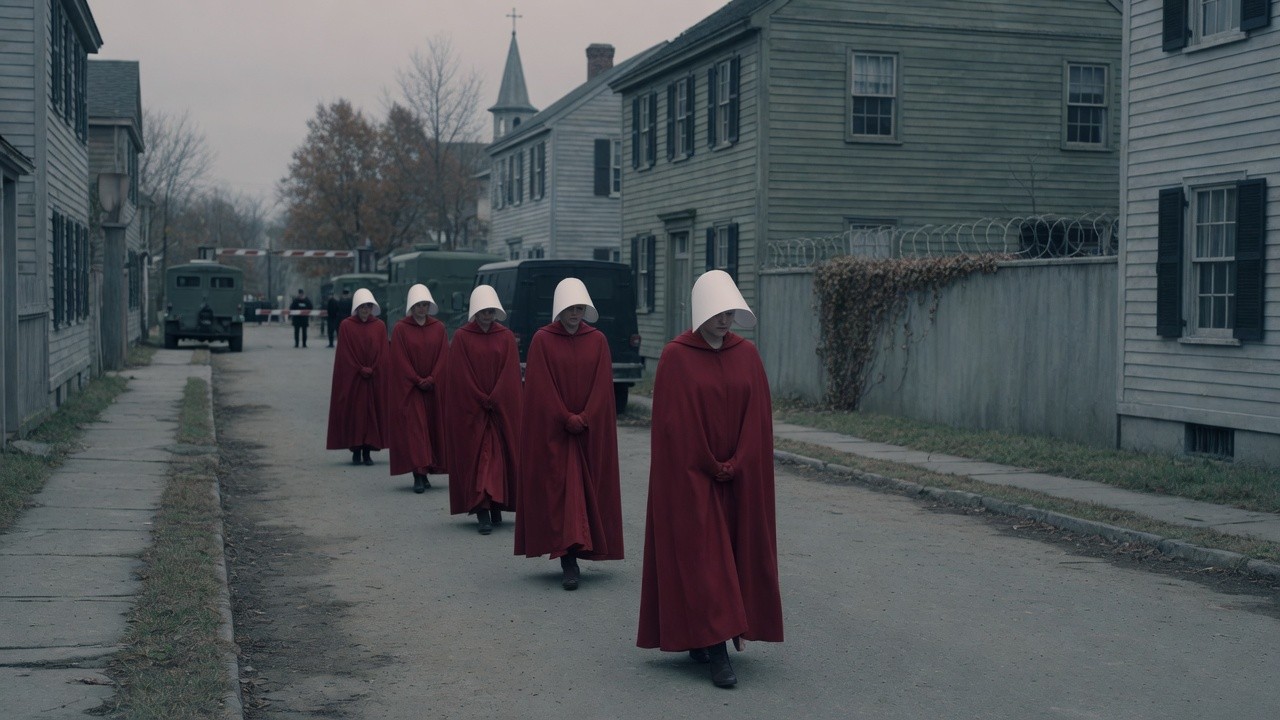
Red cloaks as protest icon and prestige dystopia engine.
The prequel that dared to be quieter — and often better argued.
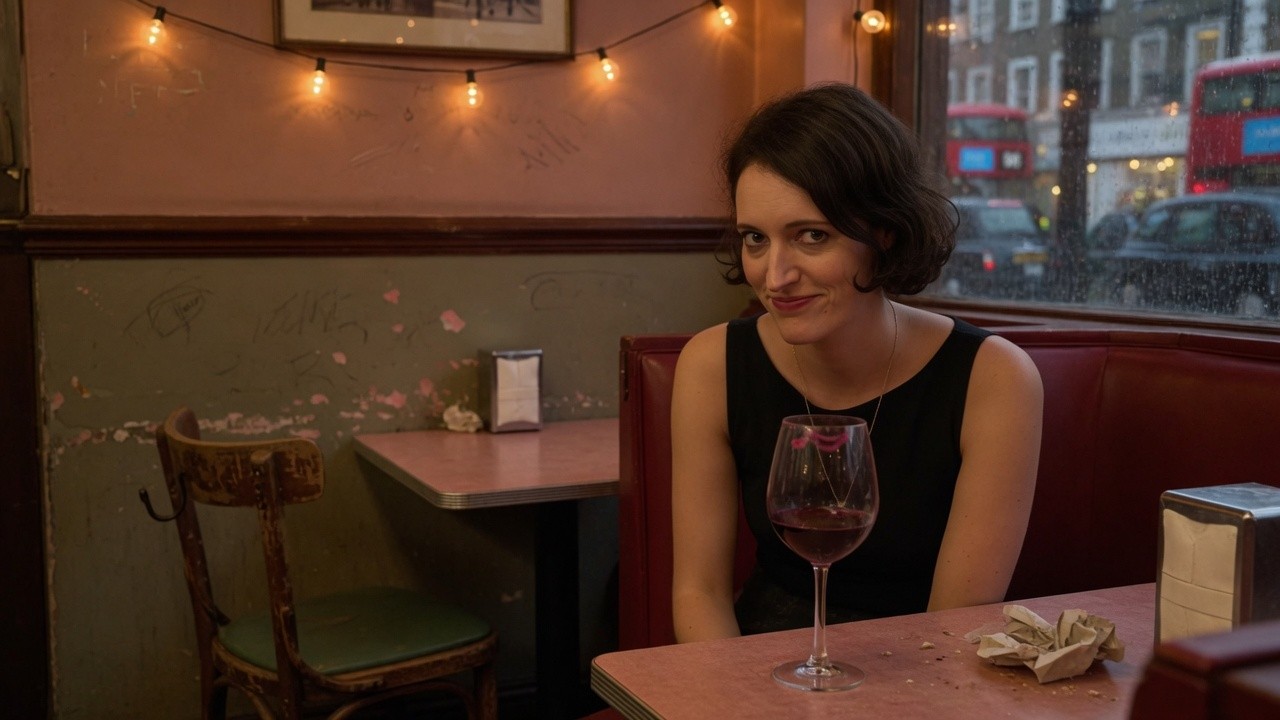
Fourth-wall confession as weapon — hot priest discourse included.
Surreal Black excellence and industry satire that slipped the leash.
Side shows
Soviet spies as suburban parents — marriage, tradecraft, and Reagan-era dread.
Anthology noir with movie-star detectives and seasons that live or die on vibe.
Minnesota nice meets Midwestern murder — Coen-brothers spirit as prestige TV.
D.C. as a humiliation machine — Julia Louis-Dreyfus at full weaponized competence.
Roses without money — small-town reboot for a family that used to own the room.
Supes as celebrity-corporate monsters — cape genre with the safety off.
Teen melodrama on designer drugs and iPhone lighting — Zendaya as gravity well.
Five episodes of institutional failure and radioactive truth — limited series as moral document.
Ranch dynasty soap with open-sky violence — Kevin Costner-era modern western empire.
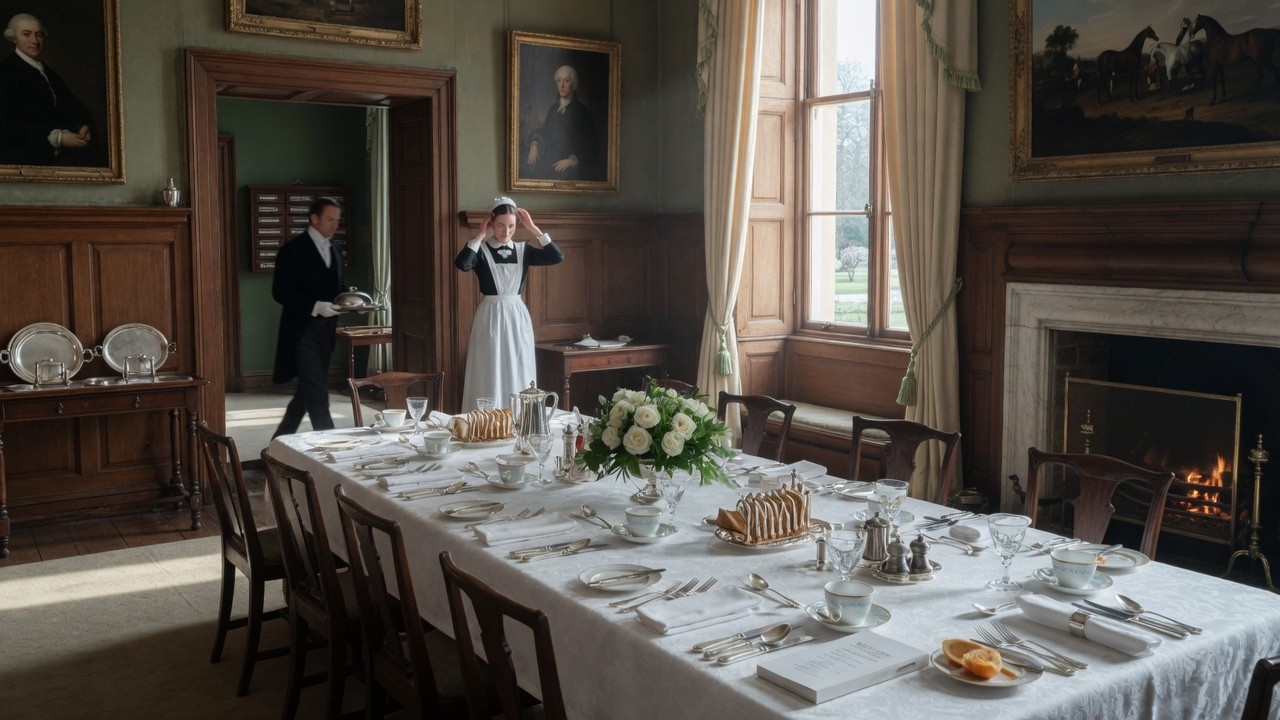
Edwardian upstairs/downstairs comfort epic — tea, titles, and soft class warfare.
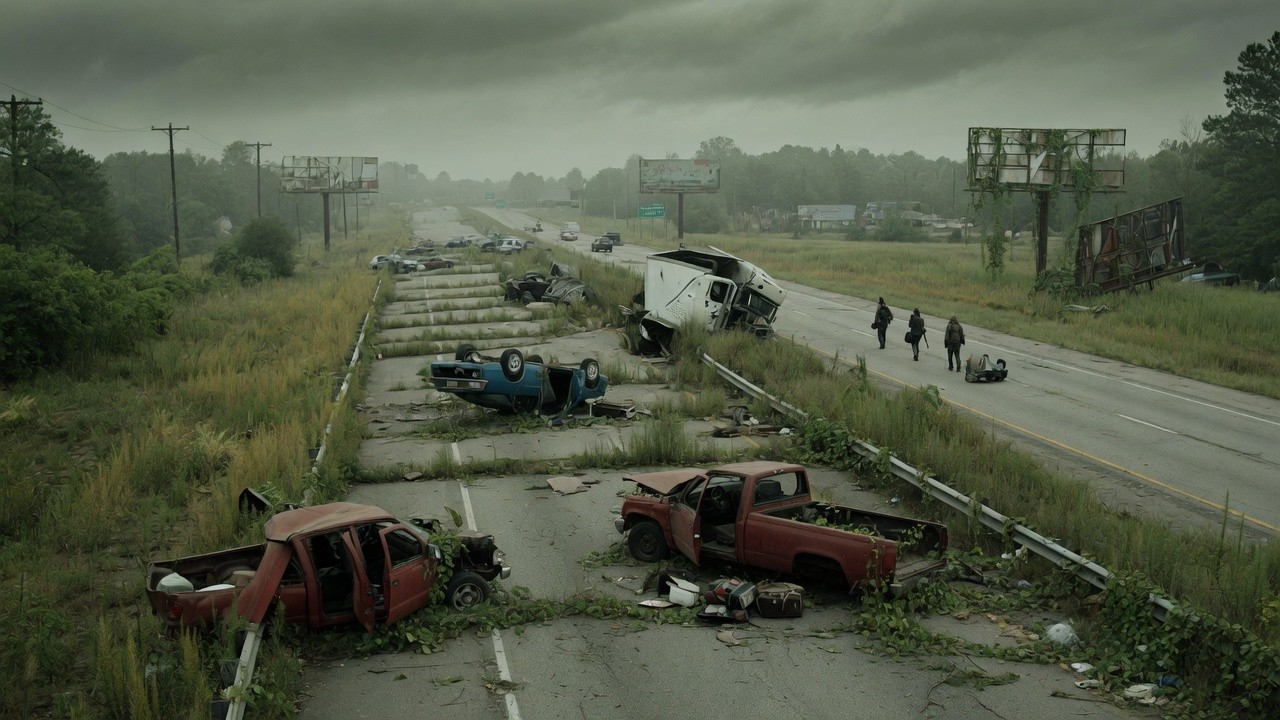
Zombie apocalypse as endless road series — ratings juggernaut with spinoff mitosis.
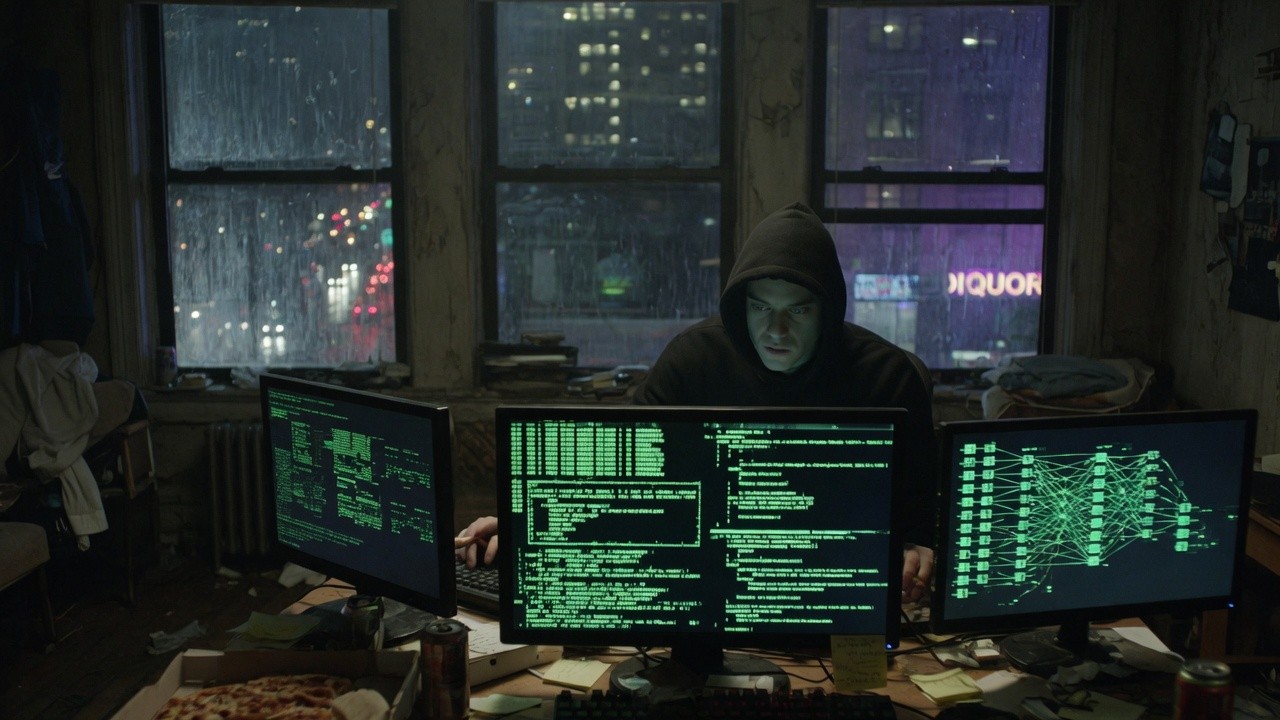
Hacker vigilante unreality — capitalism, mental illness, and terminal windows as aesthetic.
Top 100 catalog
Expanded ranking beyond our highlight reel — full pages, cast, and editorial links.
Binge-era Washington noir — fourth-wall villainy as Netflix’s first big swing.
Prison ensemble as binge phenomenon — Piper’s entry ticket to a much bigger chorus.
Hollywood horse depression epic — jokes that land, then bruise.
Two percent vanished — grief as genre, mystery as mood.
War-on-terror paranoia prestige — Carrie Mathison as brilliant, unstable center.
Holmes in texting-era London — coat-tail silhouettes and event episodes.
Robot cowboy puzzle-box prestige — timelines as blood sport.
Afterlife ethics sitcom — twists that rewired what network comedy could do.
Monterey moms, movie-star cast, and murder under the fundraiser smile.
True-crime anthology as prestige time machine — O.J. first, then Versace and beyond.
Baby Yoda industrial complex — Star Wars as prestige space western.
Issa and Molly navigate friendship, dating, and L.A. Black professional life with awkward grace.
Ballroom houses, AIDS-era New York, and radical sincerity in gold light.
Assassin and investigator obsession spiral — fashion kills, literally.
Precinct found family — jokes with a moral core and a damn fine captain.
Belcher family burger chaos — weird kids, softer dad, endless musical asides.
Interdimensional grandpa nihilism — pickles, fan theories, and sauce riots.
Broadcast cannibal opera — food porn, mind palace, and queer-coded dread.
Raylan Givens’ hat, Harlan County grudges, and Elmore Leonard cool.
Millennial messy women in Brooklyn — deliberate discomfort as authorship.
Olivia Pope’s gladiators — Shondaland live-tweeting as national sport.
Annalise Keating’s class of killers — twist factory with Viola Davis gravity.
A family reconfigures when a parent comes out as trans — early streaming intimacy.
Dev’s New York curiosity machine — food, dating, immigrant parents, formal play.
Pablo Escobar saga as bilingual prestige — danger, kingpins, and DEA cat-and-mouse.
FBI interview rooms and serial-killer psychology — Fincher frost on streaming.
Money-laundering family vacation from hell — Jason Bateman’s dead eyes in the lake light.
Shelby family gangster opera — haircuts, coats, and Nick Cave needle drops.
Time-travel romance epic — kilts, politics, and book-fandom power.
Ragnar’s saga on basic cable — raids, gods, and prestige dirt under the nails.
Belters, Earthers, Martians — hard SF politics saved by fandom and Amazon.
Hell’s Kitchen Catholic noir — hallway fights that broke the superhero TV ceiling.
Sketch dual mastery — substitute teachers, Obama anger translators, viral forever.
Longform late-night investigations — net neutrality explainers as comedy events.
Lindelof’s Tulsa-to-masks remix — legacy sequel as American racial reckoning.
Central Park Five tragedy as four-act indictment — DuVernay’s fury and craft.
Lynch’s 18-hour film on Showtime — coffee, horror, and Part 8 as nuclear poetry.
Hitman takes an acting class — Bill Hader’s violence-and-vulnerability two-step.
Startup satire with compression algorithms and venture-capital humiliation.
Telenovela love letter — accidental insemination premise, maximal heart.
Loft hangout comedy — Jess’s adorkable chaos and Nick’s bartender poetry.
Upper-middle-class Black family sitcom that smuggled essays into multi-cam comfort.
Lyon family hip-hop dynasty soap — boardroom knives and chart-topping synergy.
Ghost’s double life — nightclub glam over drug-empire rot.
Murphy’s annual scare roulette — ensemble reincarnation as brand.
Prohibition Atlantic City — Nucky Thompson’s empire in Scorsese-sheen.
1980s PC and internet pioneers — ambition, code, and heartbreak in beige boxes.
Death-row release into small-town time dilation — quiet TV as radical act.
Musical rom-com deconstruction — mental health with showstopping weird songs.
Anti-rom-com about terrible people trying — depression arc done right.
Single-mom actor life — Pamela Adlon’s half-hour as lived-in art film.
1980s women’s wrestling neon — friendship, betrayal, and spandex politics.
Death loop on a birthday night — Natasha Lyonne’s downtown Möbius strip.
Accidental pregnancy rom-com for adults — filthy, tender, Anglo-Irish-American.
Abbi and Ilana’s NYC chaos — weed, hustle, and female friendship as sitcom jet fuel.
Business advice from hell — deadpan cringe that becomes oddly profound.
Empathy as superpower — queer-friendly gem wars with musical heart.
Twin kids vs. paranormal summer — journals, codes, and Bill Cipher chaos.
Avatar sequel with a tougher hero — politics, pro-bending, and spiritual stakes.
Oliver Queen’s hooded crusade — the show that built the Arrowverse.
Scarlet speedster optimism — multiverse soap with heart-on-sleeve heroics.
AC-12 anti-corruption thrillers — interview-room warfare as national event.
Catherine Cawood’s Yorkshire grit — trauma, toughness, and moral weather.
Idris Elba’s haunted detective — London gothic with Alice Morgan’s smile.
Small-town murder grief — Colman and Tennant against a coastline of secrets.
One wrong ride — Riz Ahmed’s breakout and prison-system dread.
Amy Adams goes home to a Missouri murder town — Southern Gothic self-harm poetry.
Frances McDormand’s Maine sharpness — short-story mosaic of ordinary ache.
Robert Durst docuseries — hot-mic ending that broke true crime open.
Five-part O.J. epic — sports, race, fame, and the trial as American mirror.
Bourdain’s global table — food as politics, loneliness, and grace.
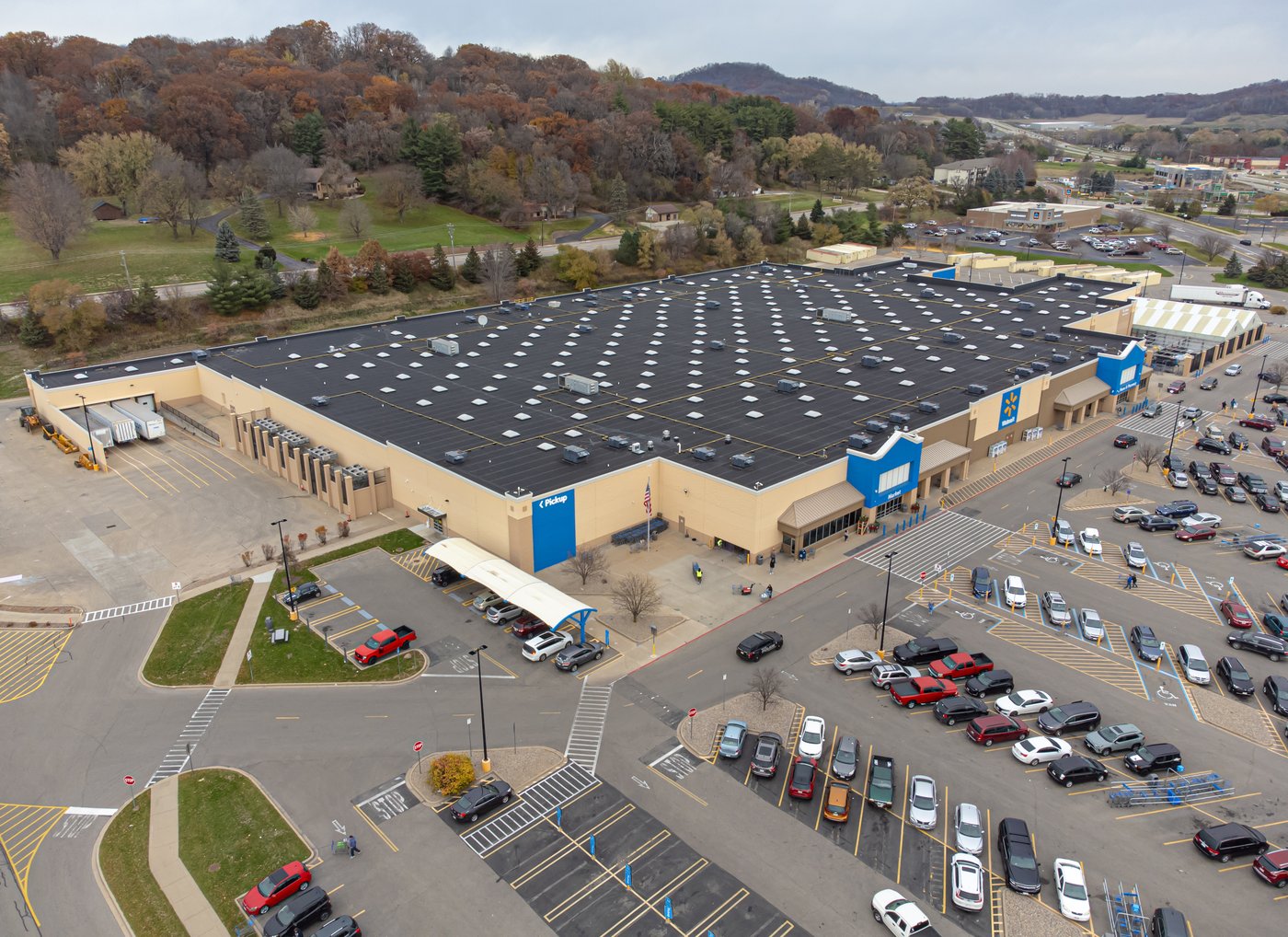
Big-box workplace sitcom — strikes, ICE raids, and Cloud 9 fluorescent truth.
German time-travel knot — family trees as crime scenes.