M*A*S*H
War comedy that earned its tears — and a finale still used as a ratings myth.
1970–1979
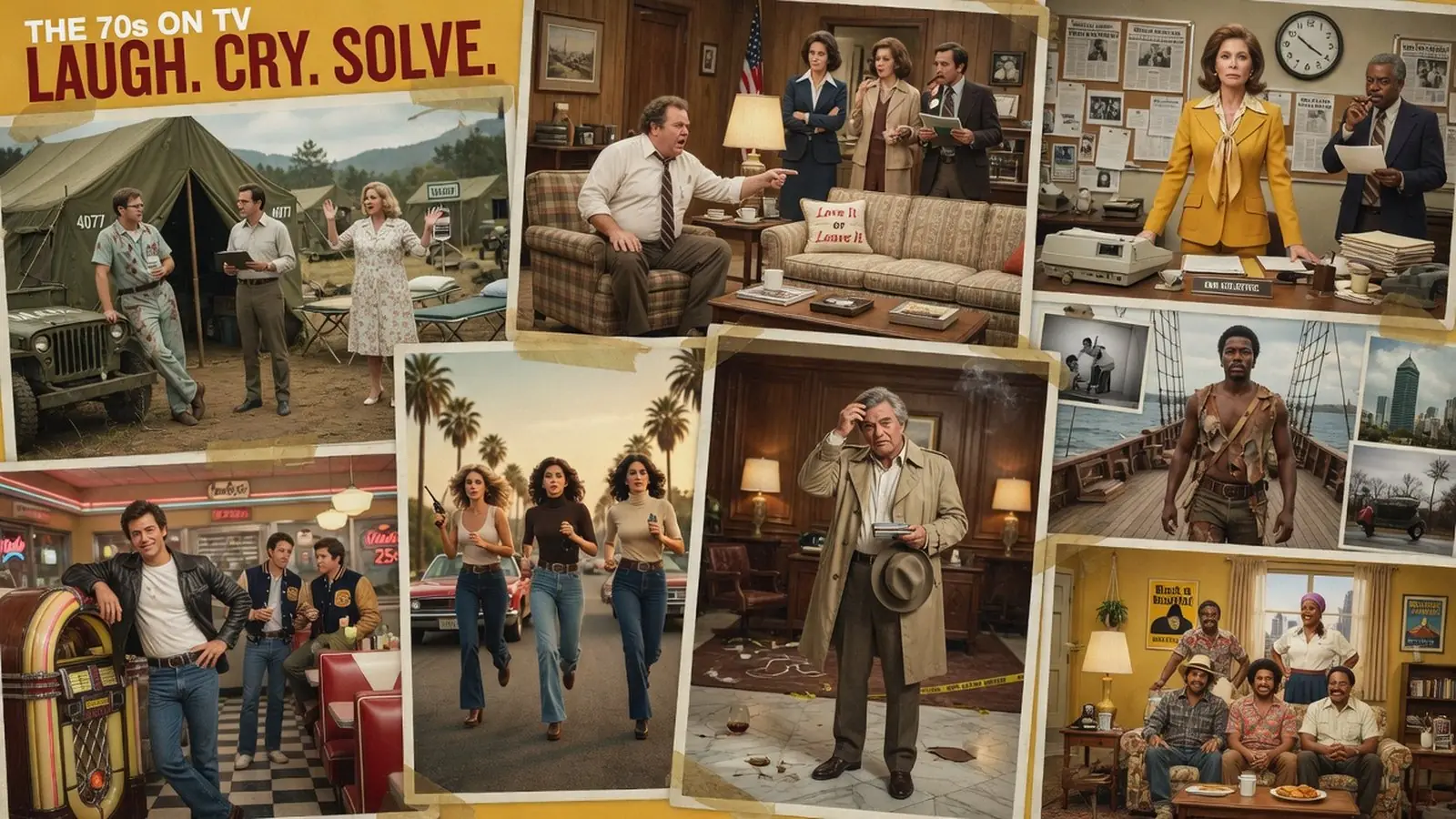
The 1970s on TV Flash is Relevance Goes Prime Time: All in the Family picks the dinner-table fight, The Mary Tyler Moore Show puts a single woman in a newsroom, M*A*S*H turns a war tent into a weekly argument, and Saturday Night Live makes late-night a dare. Roots is the event miniseries; Columbo keeps the raincoat.
Earth tones, catchphrases, and watercooler arguments that still echo.
On TV Flash, the 1970s is the decade the living room learned to argue in public. All in the Family turns the armchair into political sport; Good Times and The Mary Tyler Moore Show put rent, work, and a newsroom on the same dial; M*A*S*H keeps a war tent funny and sore in the same half-hour. Saturday Night Live makes late night a dare you quoted the next morning. This is not rural-sitcom furniture and it is not 1980s oil-soap glitter. It is relevance as prime-time weather — catch the fight, then catch the rerun.
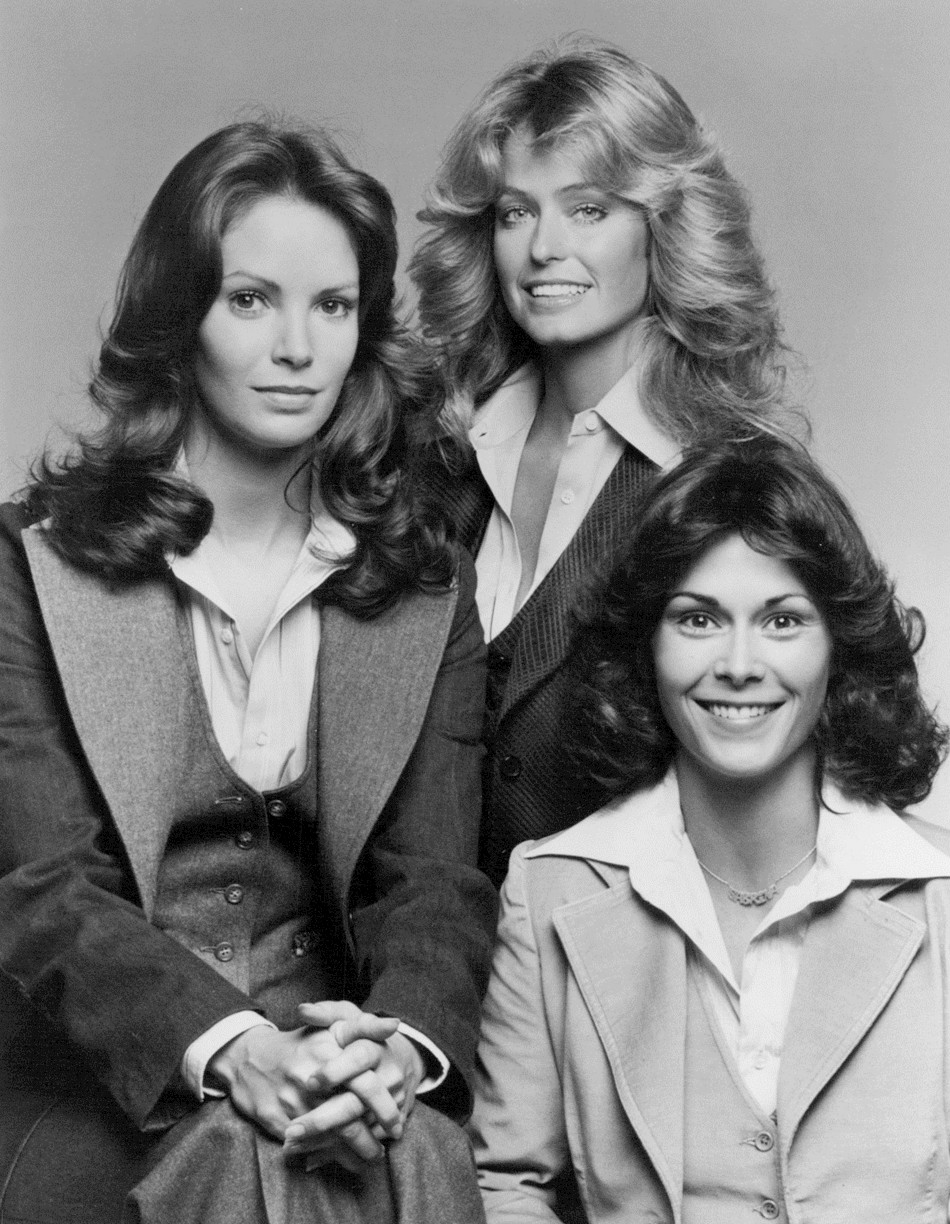
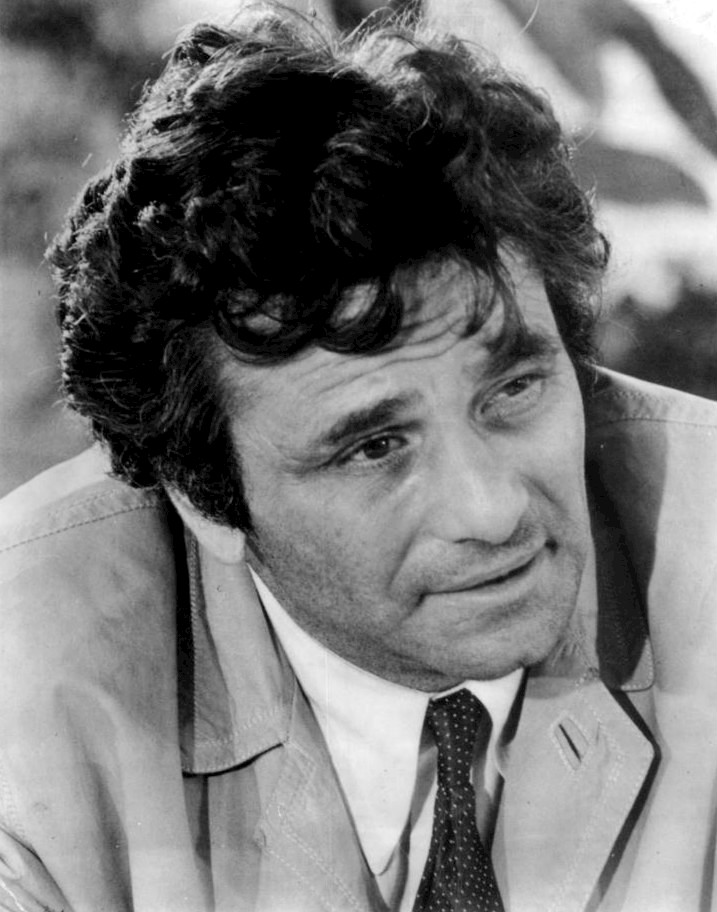
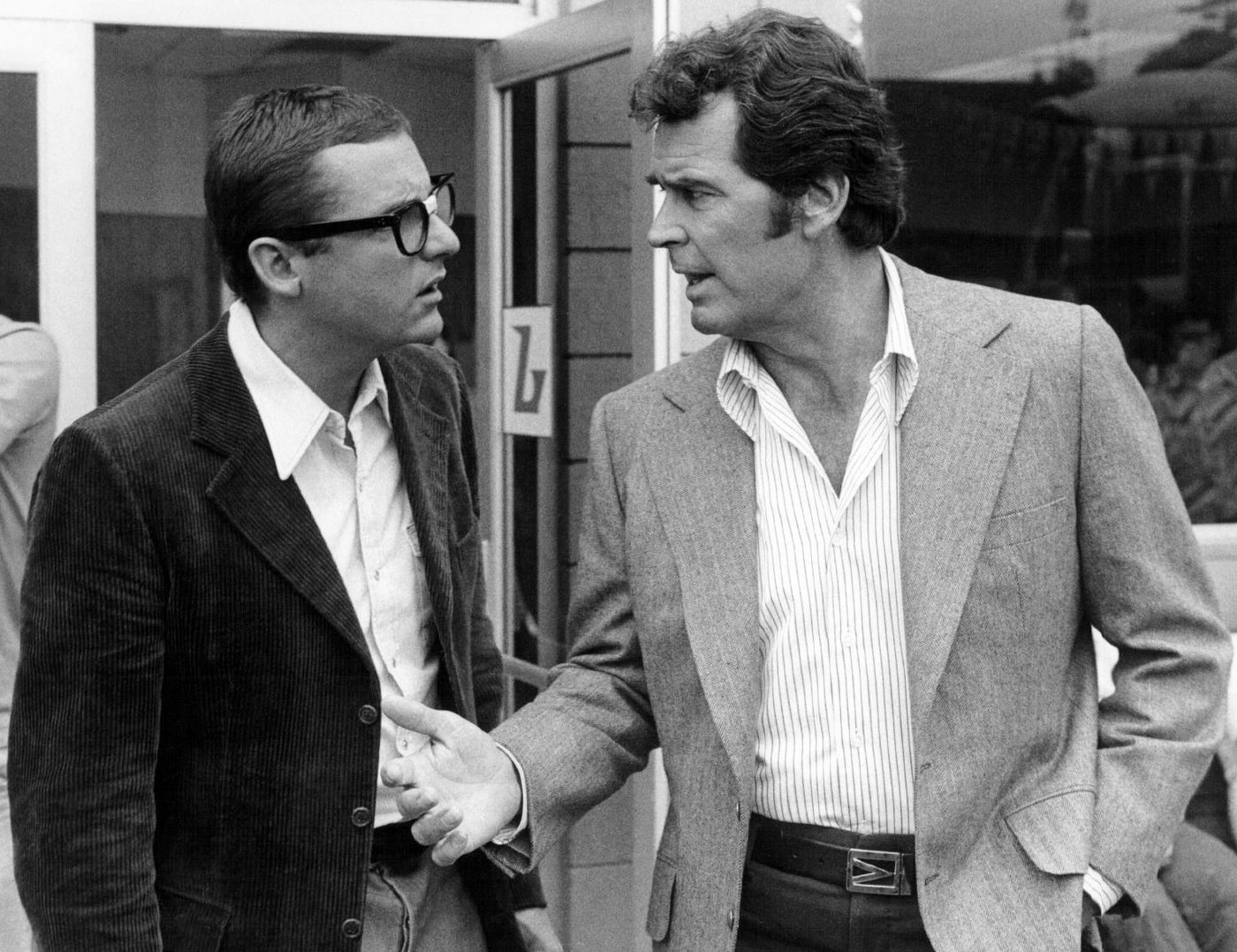
The other 1970s is the hour that still walks. Columbo shuffles through a murder in a raincoat; The Rockford Files keeps a private eye in a trailer and a Pontiac; Charlie's Angels photographs detective work as a poster; Happy Days sells the diner as nostalgia even while the rest of the schedule is picking fights. Roots is the event miniseries — a multi-night appointment the rest of the grid had to live beside. Catalog flavor from the same decade includes The Jeffersons, Taxi, and The Muppet Show. Start with Archie or Mary if you want the argument. Stay for Columbo or Roots when you want the decade to slow down and bruise.
Start with All in the Family if you want the dinner-table fight, The Mary Tyler Moore Show if you want the newsroom, or M*A*S*H if you want the war tent that still hurts on purpose. Saturday Night Live is the late-night dare. Then Columbo for the raincoat hour, Roots for the event miniseries, Good Times if you want the apartment that is not Archie Bunker's.
Like the sponsor's living room had to survive a real argument. Sitcoms stopped pretending the armchair was neutral — All in the Family, Good Times, Mary. M*A*S*H made a war tent a national appointment. Saturday Night Live made Monday gossip about Saturday. Roots made the miniseries a multi-night appointment. You still had Happy Days and Charlie's Angels when you wanted the diner or the poster. The watercooler was the point.
Skip treating Happy Days as the whole decade when All in the Family, The Mary Tyler Moore Show, and Roots are on the same hub. Skip expecting Dallas oil-soap or Miami linen — that glitz is the 1980s. Skip the idea that Columbo and The Rockford Files are leftovers beside the issue sitcoms; the raincoat and the trailer are the other 1970s, not a side quest.
The 1960s on TV Flash still sells porches, starships, and spies. The 1970s puts politics in the armchair and a miniseries on the national calendar — Archie, Mary, M*A*S*H, Roots, SNL. The 1980s trades that argument for oil cliffhangers, neon vice, and barstool hangout: Dallas, Miami Vice, Cheers. Relevance goes prime time here; glitz clocks in next.
Highlight shows
War comedy that earned its tears — and a finale still used as a ratings myth.
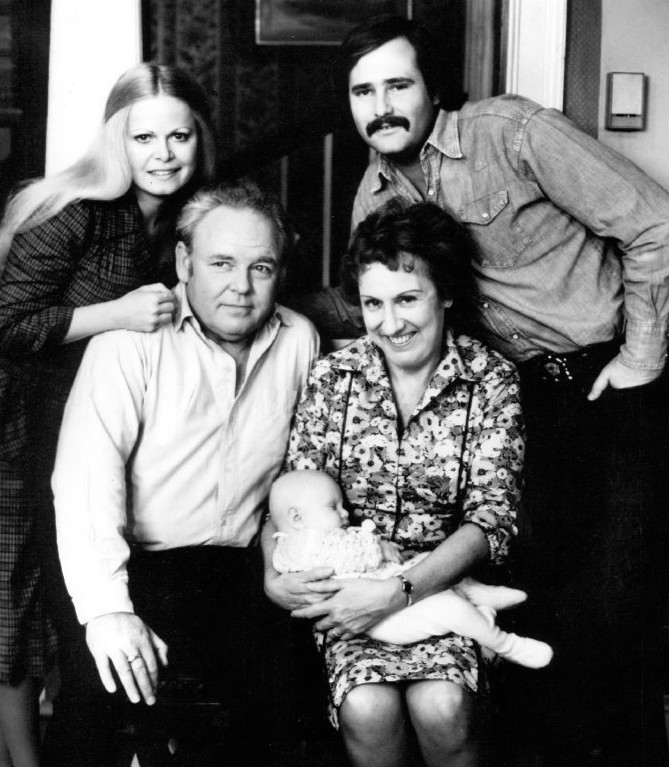
The living-room argument as national sport — bigotry, love, and loud chairs.
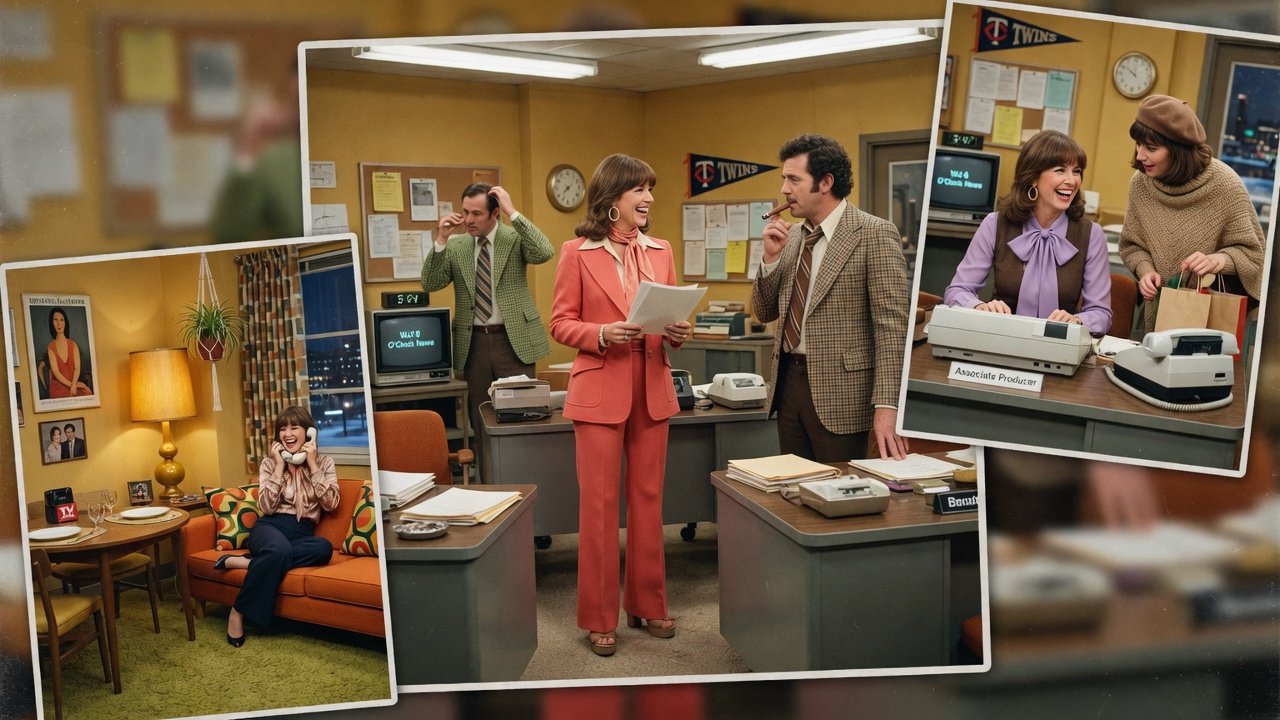
Single working woman energy that made the newsroom a second home.
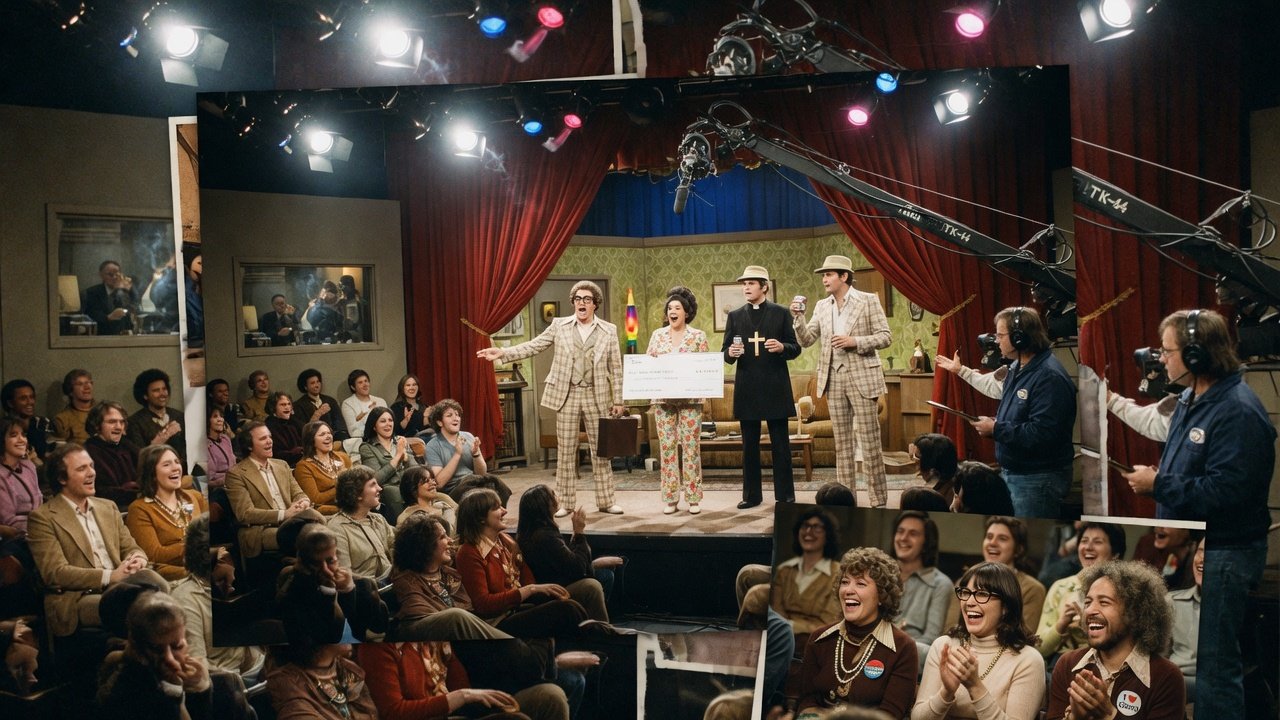
Live from New York — the talent factory and scandal factory that never fully sleeps.
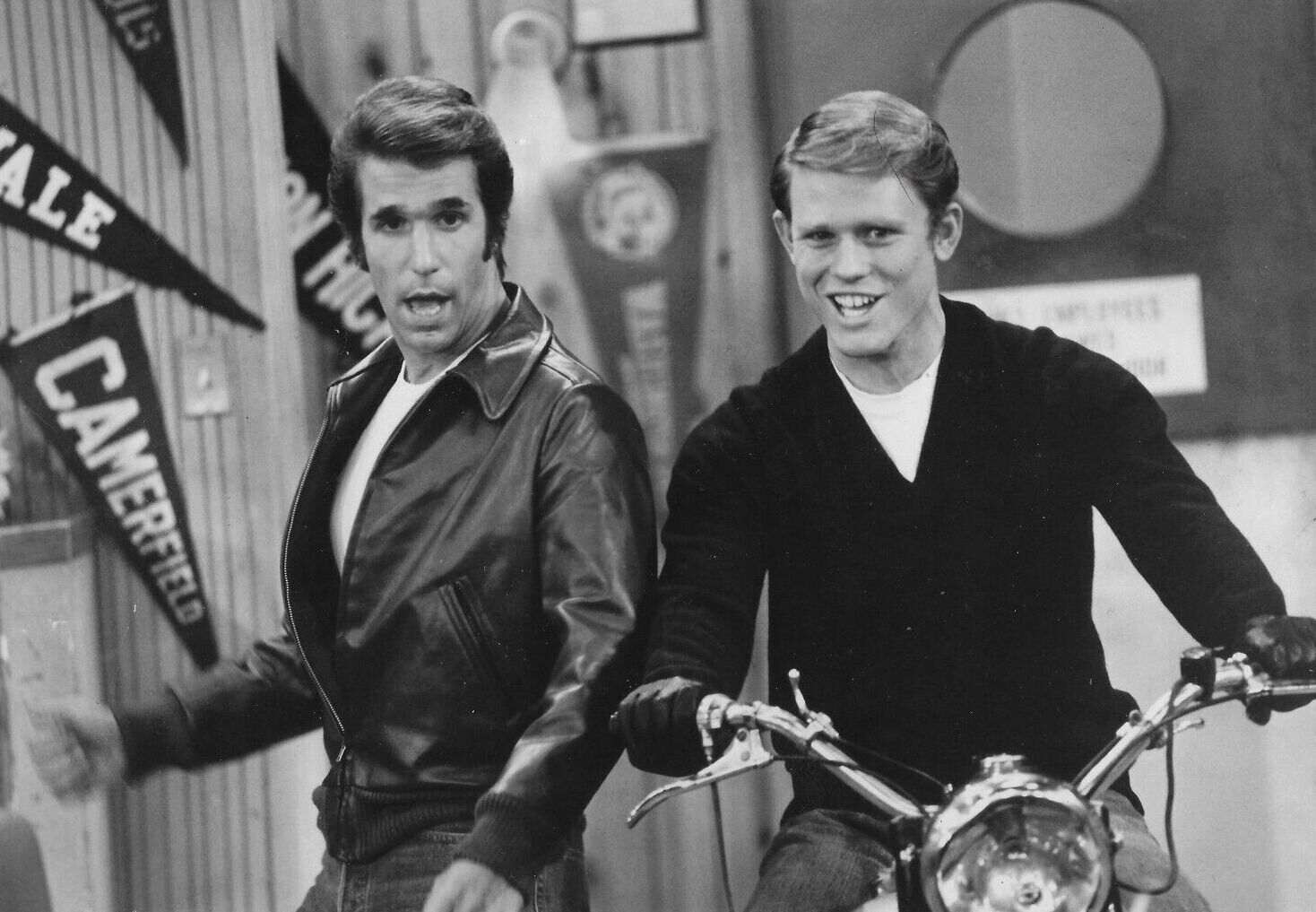
Nostalgia engine with a leather jacket that jumped a shark and entered the language.
Feathered hair, jiggle TV debates, and a speakerphone boss who never showed his face.
Event television that forced a nation to watch — and talk — together.
The rumpled trap — howdunit inverted, guest killers as prestige toys.
The anti-hardboiled PI — answering machine, beat-up Firebird, real exhaustion.
Projects sitcom with catchphrases, heartbreak, and industry arguments that never ended.
Top 100 catalog
Expanded ranking beyond our highlight reel — full pages, cast, and editorial links.
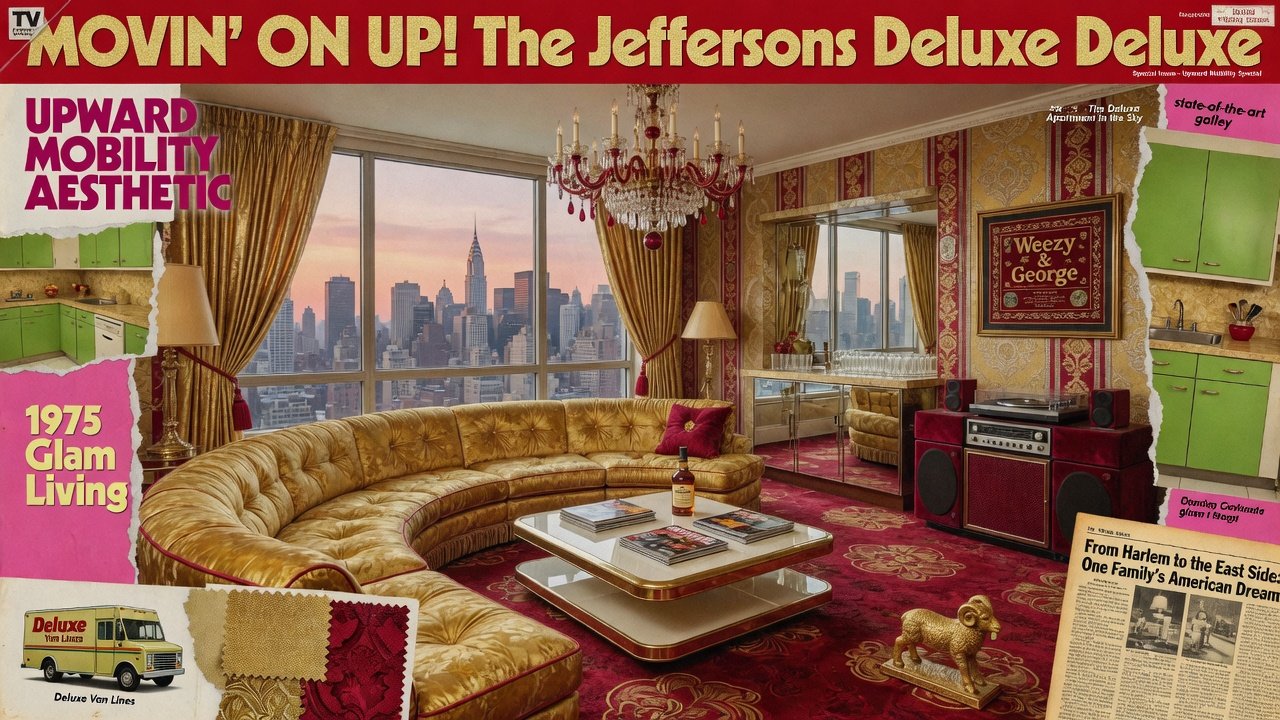
Movin' on up — Black excellence, dry-cleaning money, and a deluxe apartment in the sky.
Junkyard king Fred Sanford and the big one that never quite takes him.
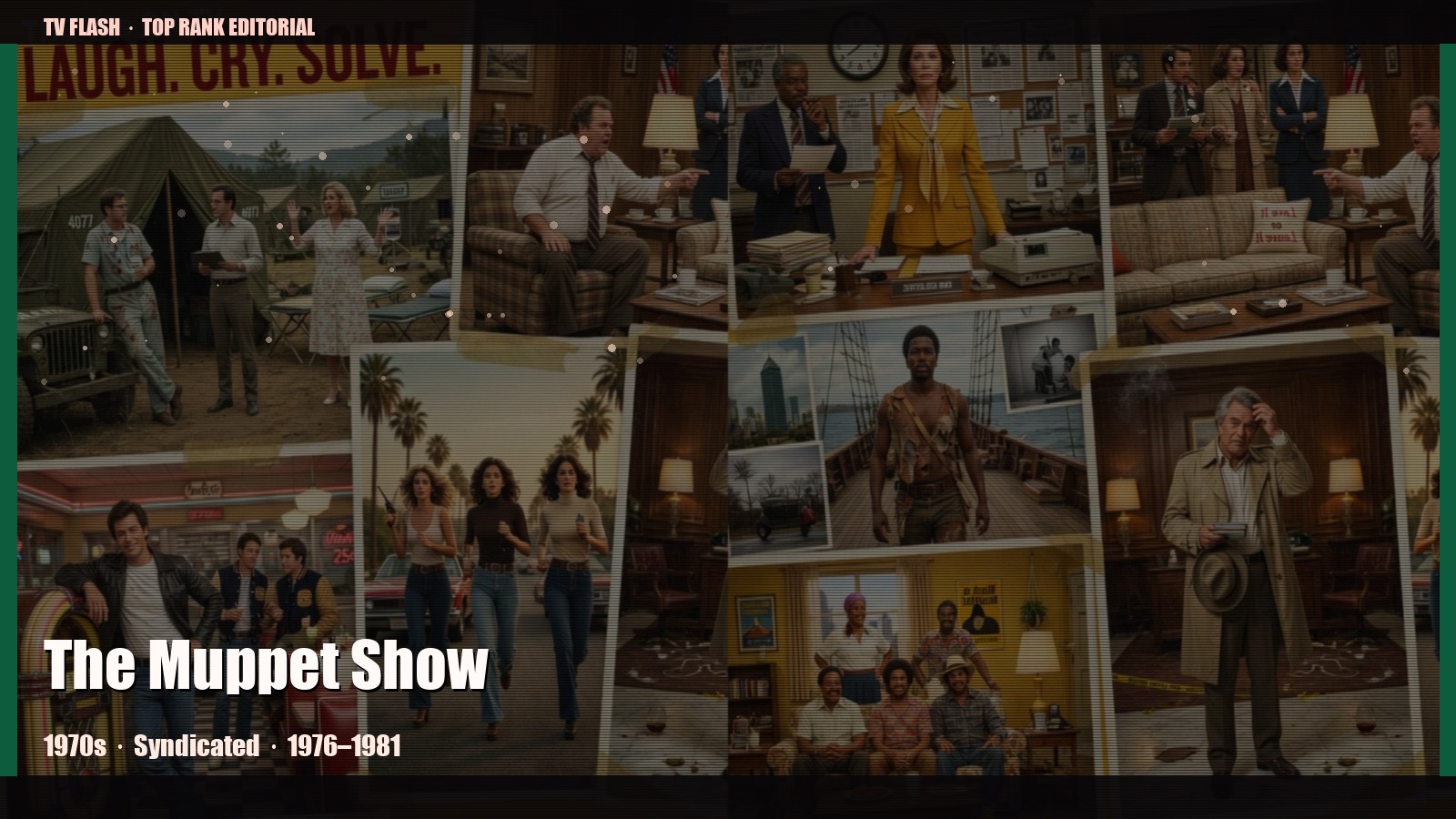
Vaudeville chaos with felt — and guest stars who risked being upstaged by a frog.
Sunshine Cab Company's beautiful losers — rough New York hope in a garage.
Walnut Grove tears and triumphs — frontier family myth as weekly comfort.
Liberal firebrand in Tuckahoe — abortion episode included, sponsors terrified.
One squad room, infinite paperwork — the smartest cop comedy that barely left the station.
Hi, Bob — deadpan psychology with the perfect group-therapy Greek chorus.
Schlemiel! Schlimazel! — bottle-cappers, basement dreams, and Milwaukee mayhem.
Goodnight, John-Boy — Depression-era mountain family as soft-focus America.
Mary's best friend moves home to New York — wedding special as event TV.
Roper misunderstandings, Jack on a bike, and the art of the slammed door farce.
Gran Torino buddy cops — street cool with a giant afro sidekick named Huggy Bear.
Who loves ya, baby? — bald charisma, lollipops, and Manhattan grit.
We can rebuild him — slow-mo bionics and the sound effect you can still hum.
Excursion of the week — guest stars, cupids in white, and Pacific soft-focus.
Daytime-soap parody with murder, aliens, and a butler who saw everything.
Nanu nanu — Robin Williams as alien chaos in Boulder, Colorado.
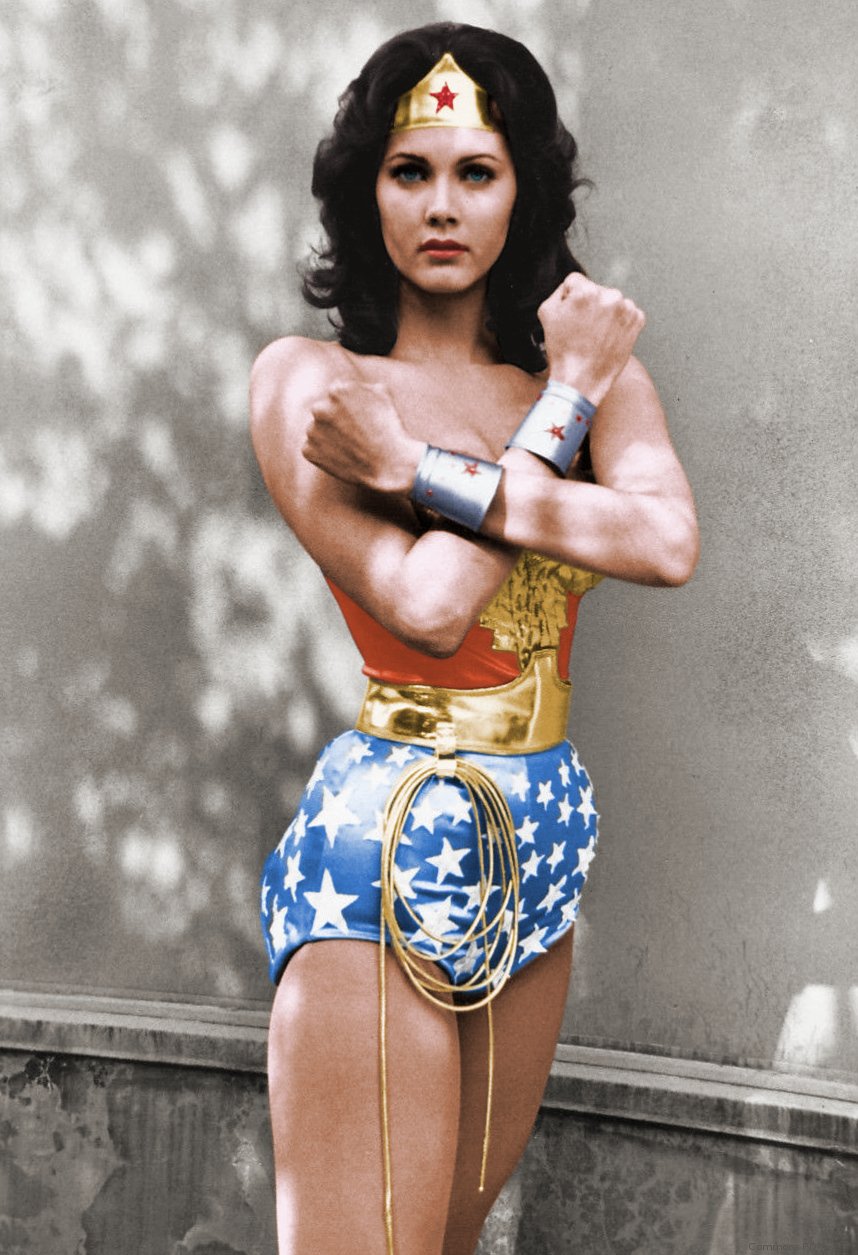
Spinning transformation, golden lasso, and Lynda Carter as patriotic pop icon.
Neat freak vs. slob — Broadway DNA in a New York apartment.
Divorced mom, two daughters, and a superintendent with all the punchlines.
Sweathogs in the back row — and a theme song that charted for real.
East L.A. garage buddy comedy with a star exit the medium never forgot.
Jaime Sommers: tennis pro, teacher, ear of steel — feminist cyborg cool.
Don't make me angry — Bill Bixby pathos, Lou Ferrigno smash.
De plane! — wishes granted with a twist and a white suit.
The hippest trip in America — line dances, guest stars, and Black music TV power.
The devil made him do it — first Black host of a hit network variety hour at this scale.
Mary's boss goes hour-long serious — newsroom integrity with teeth.
Turkeys away! — rock radio misfits and the funniest disaster in sitcom history.
Kiss my grits — Mel's Diner as working-class stage and catchphrase factory.
What you talkin' about, Willis? — adoption comedy with very real aftershocks.
Sacramento brood with a columnist dad — blended-family sprawl before it was a genre.
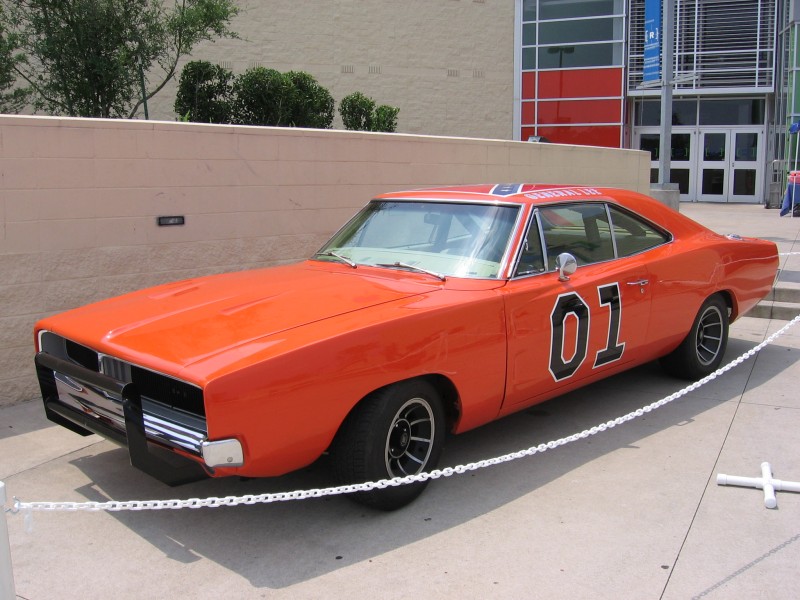
Yee-haw justice — General Lee jumps, Boss Hogg schemes, and controversy rides shotgun.
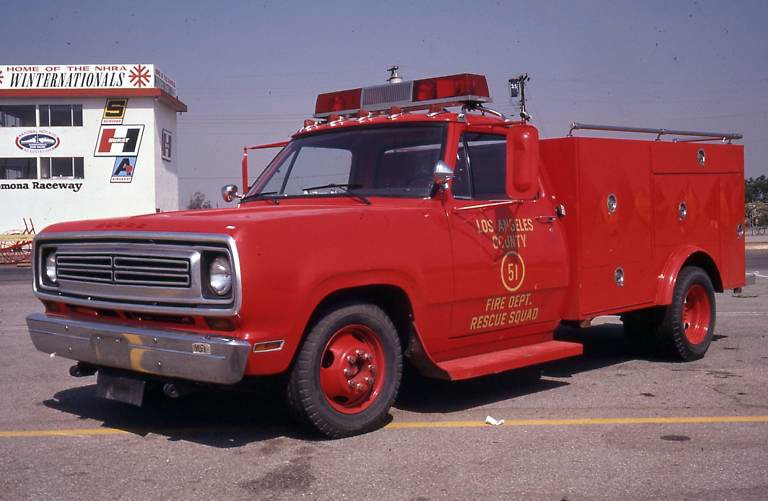
Squad 51 rolling — paramedics as heroes before medical dramas went steadicam.
Coroner with a cause — Jack Klugman yells at the system until justice shows up.
Cable-car cop mentorship — Karl Malden grit and a young Michael Douglas.
Don't do the crime if you can't do the time — street-level undercover with a cockatoo.
Pepper Anderson undercover — glamour badge work and 'jiggle' era debates.
Buddy Ebsen trades Jed Clampett overalls for a PI trench and lab coat.
William Conrad as the heavyweight PI who never needs to look like a leading man.
Wire-service reporter vs. monsters — seersucker suit against the supernatural.
Moonbase Alpha torn from Earth — British design porn in deep space.
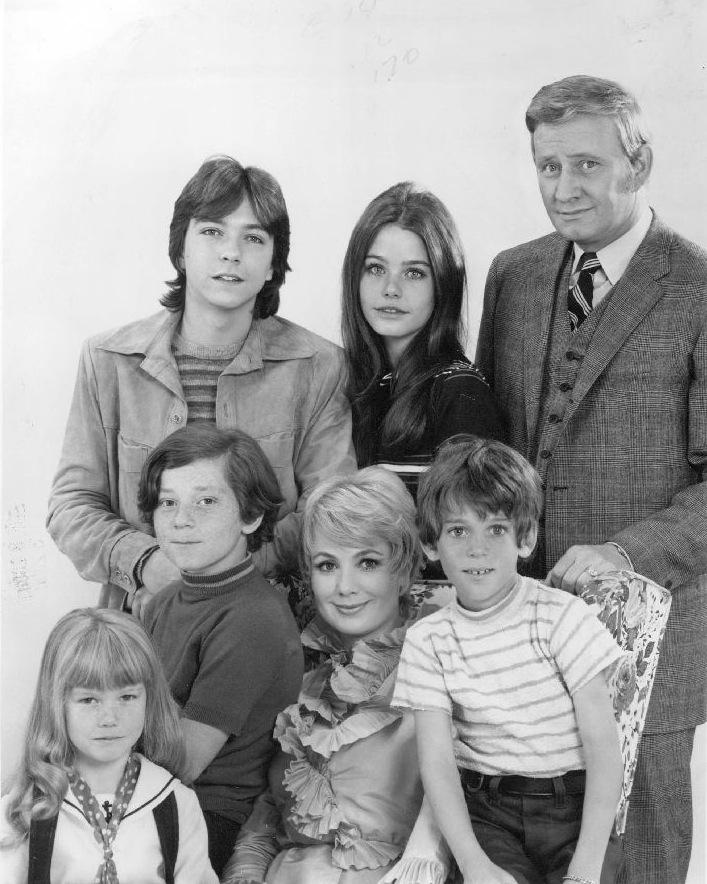
Come on get happy — family band sitcom that sold real records.
Cloris Leachman's self-absorbed neighbor gets her own San Francisco chaos.
White coach, mostly Black high-school team — gym class as social drama.
Brothers at war with class — the novelization of the American century in chapters.
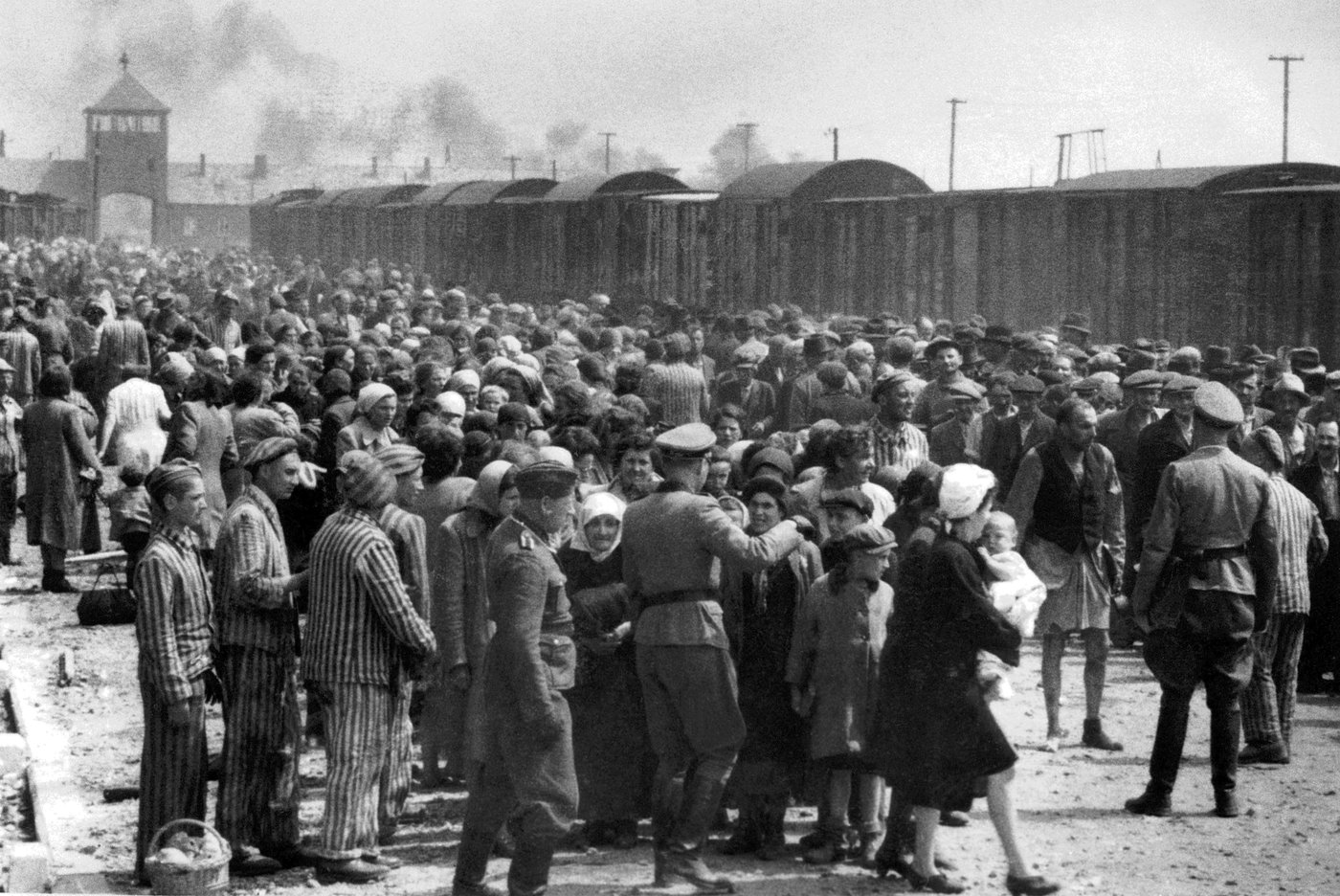
Network TV forces the Shoah into American living rooms — controversy included.
Edwardian townhouse split by class — servants and masters as dual protagonists.
Poison, incest, and imperial gossip — Rome as the nastiest prestige soap.
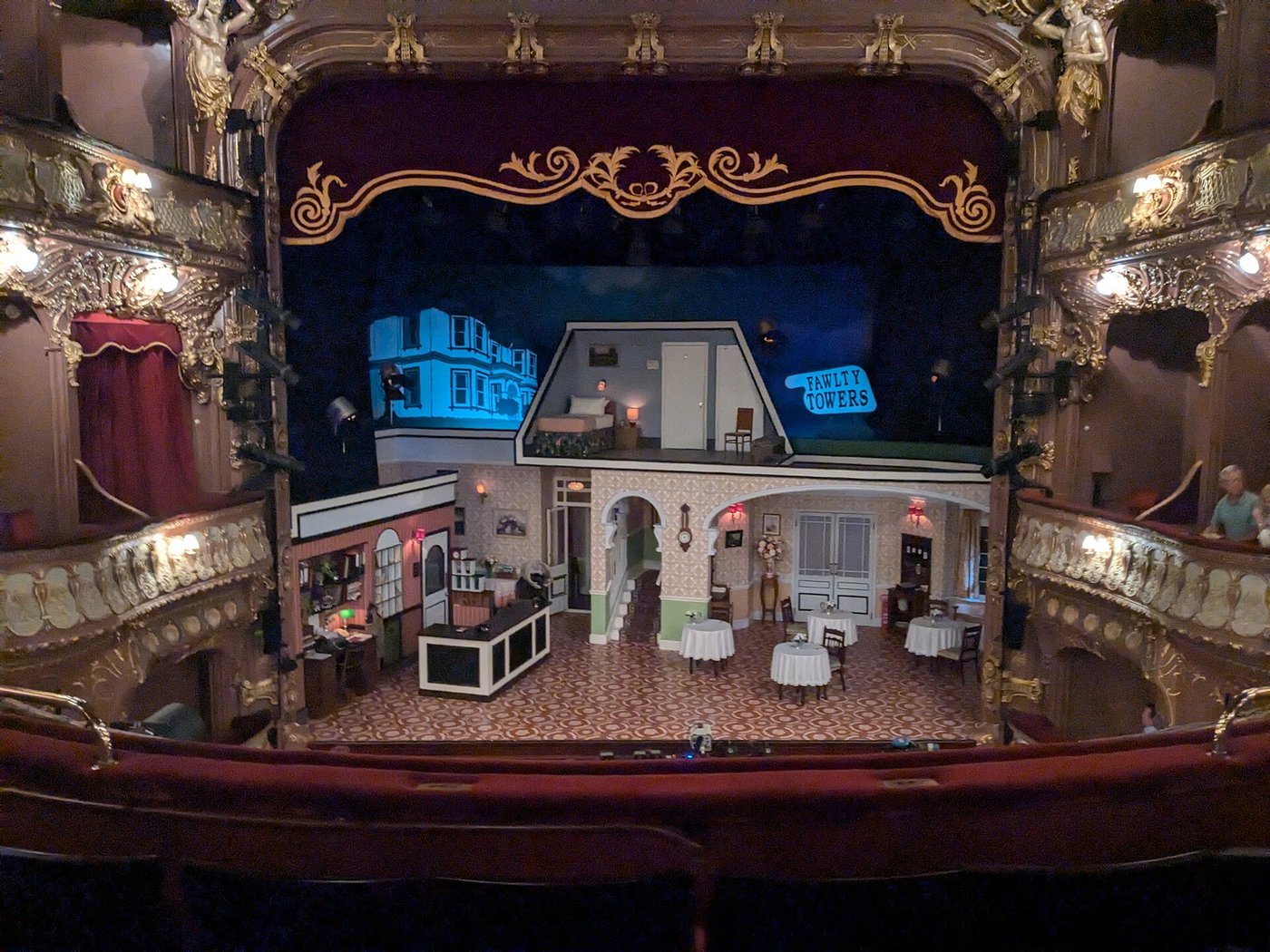
Don't mention the war — 12 episodes of hotelier rage perfected.
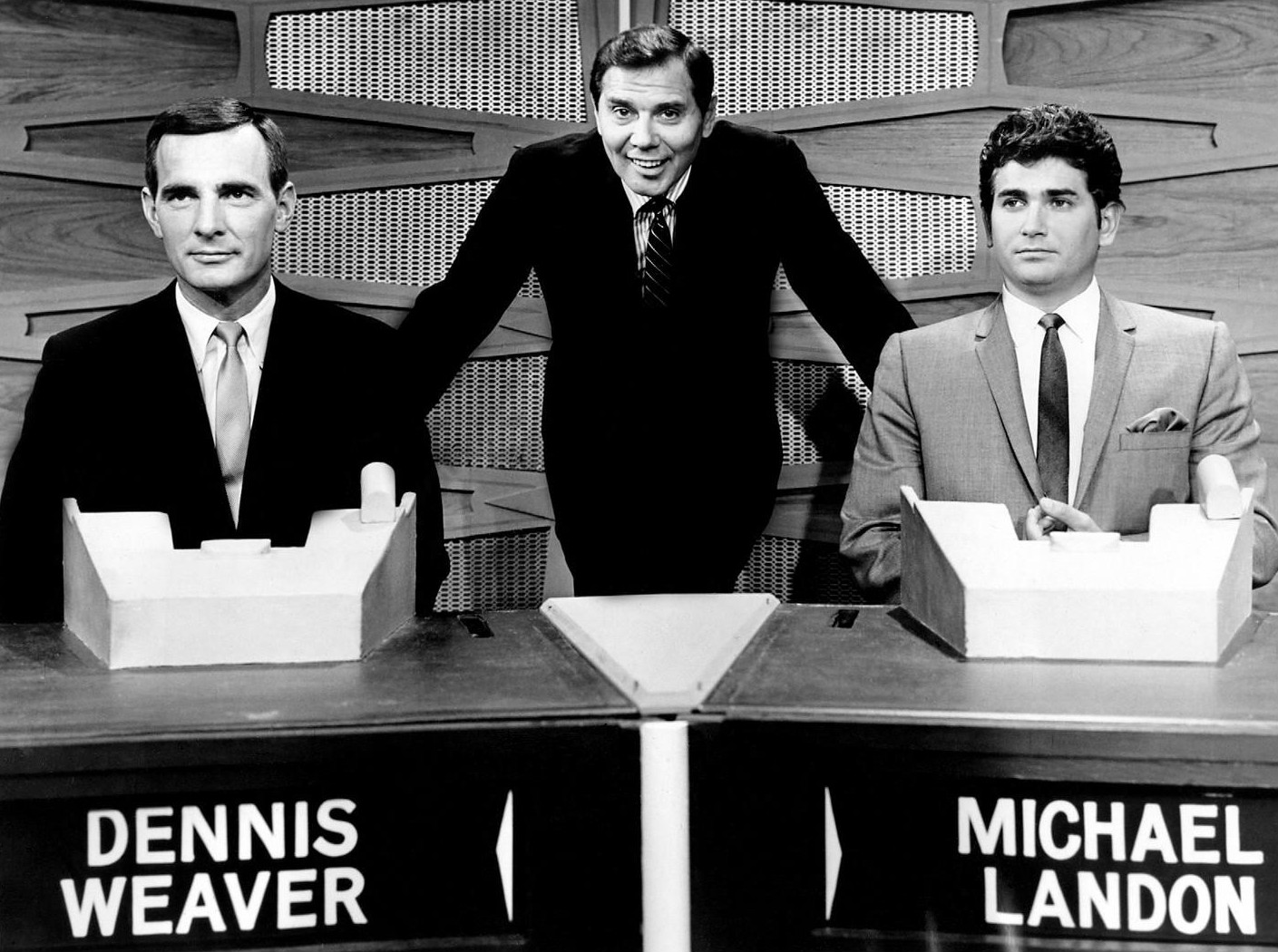
Blank the blank — celebrity panel innuendo as daytime sport.
Survey says! — Richard Dawson kissing contestants into a national habit.
A little bit country, a little bit rock and roll — sibling variety as teen-idol TV.
Cornfield vaudeville — country music, cornball sketches, and rural syndication power.
Late-night rock on the network — Wolfman Jack howls after Carson.
Pine Valley forever — Erica Kane as daytime's defining diva empire.
Genoa City boardrooms and bedrooms — youth, wealth, and that theme song.
Port Charles pulse — 1970s medical soap that set up a later supercouple explosion.
Special weapons energy — theme song chart heat and paramilitary gloss.
Rock Hudson as commissioner — murder with martini banter and a smart spouse.
New Mexico marshal in New York — boots on asphalt fish-out-of-water crime.
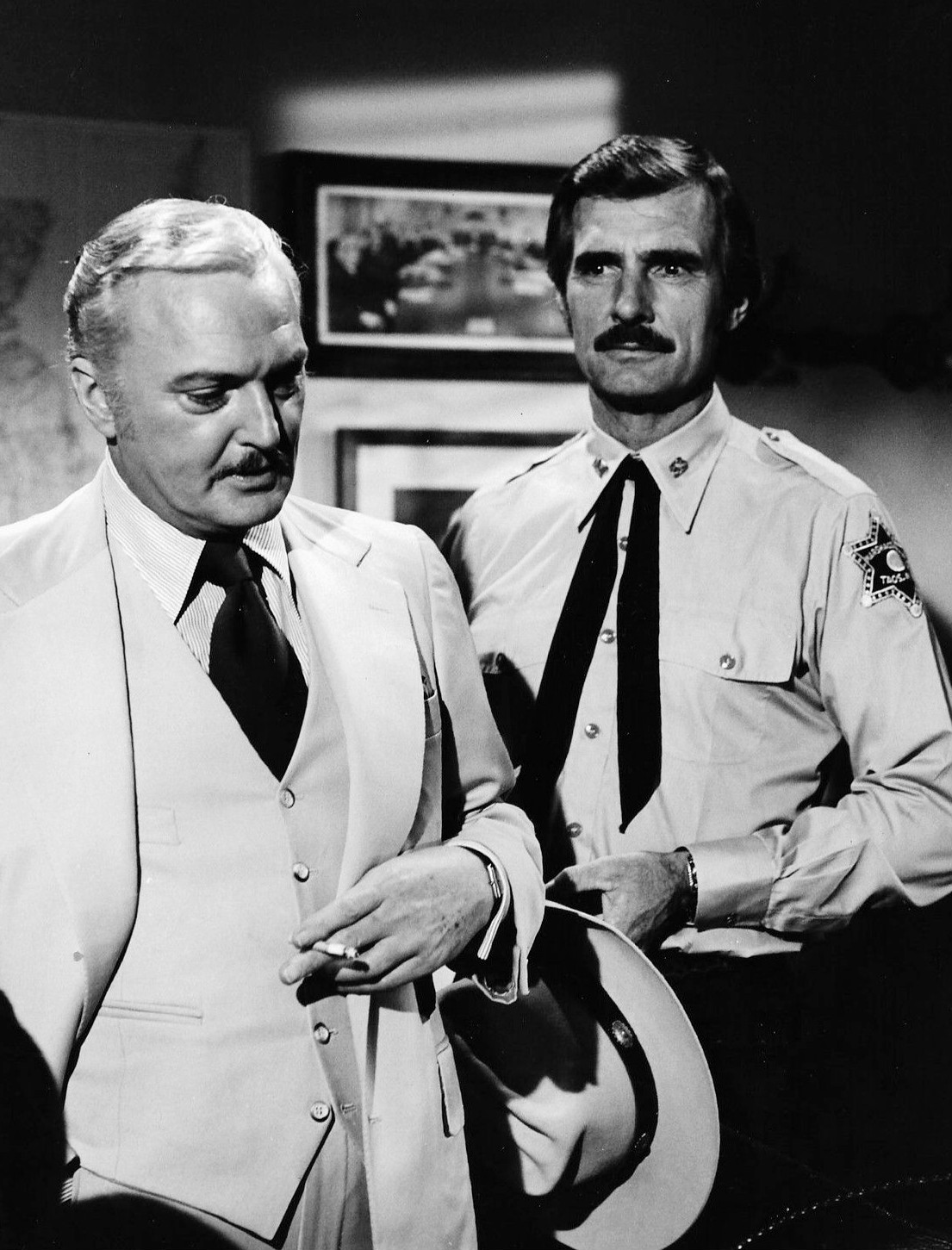
One-Adam-12 — black-and-white patrol as Jack Webb moral clarity.
Conjunction Junction and bills on Capitol Hill — three-minute genius between cartoons.
Hey, you guyyyys! — literacy variety with Morgan Freeman before the movies.
Sleestak nightmares — Saturday-morning pocket universe with real craft.
Hall of Justice roll call — Justice League for the cereal-hour crowd.
Grasshopper walks the West — martial arts mysticism in a frontier serial.
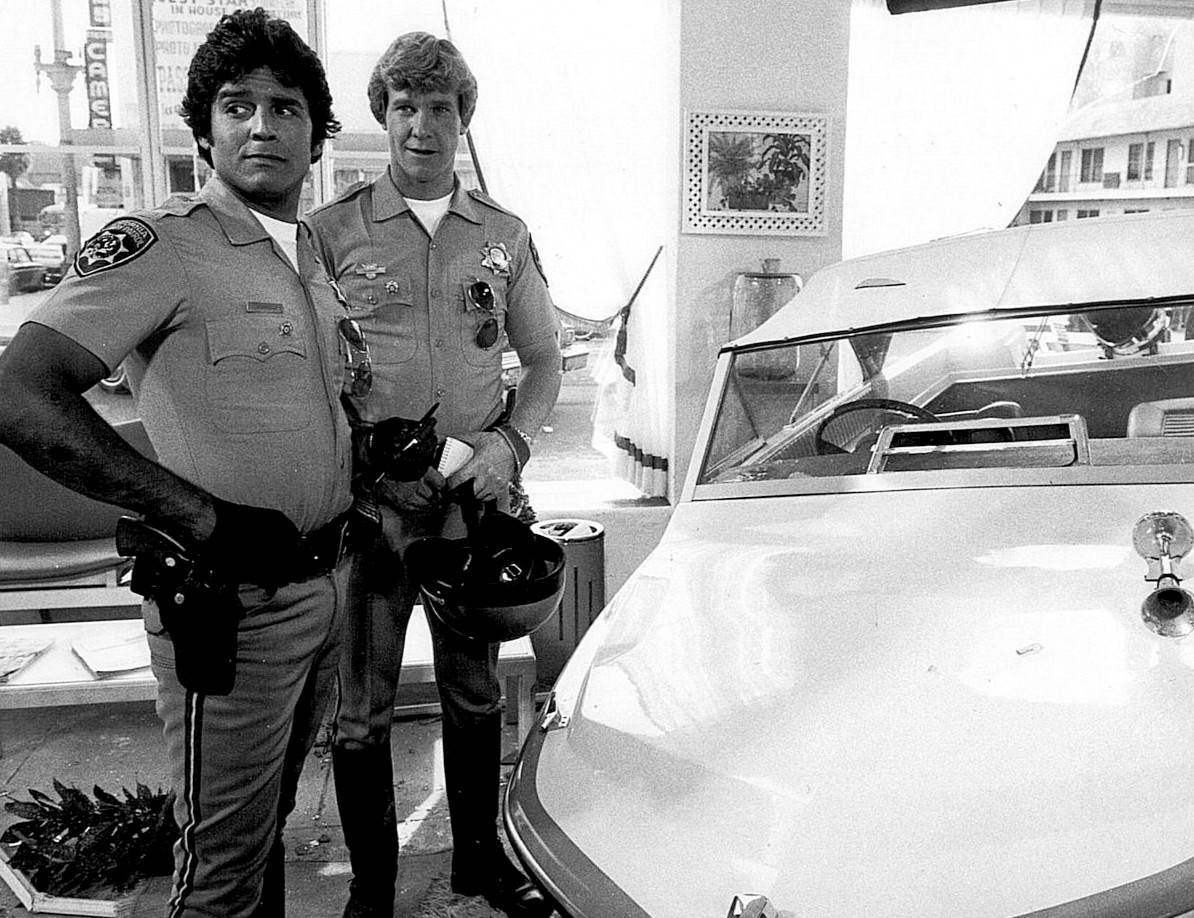
Ponch and Jon on freeways of gold — California Highway Patrol as sunshine action.
Rerun, Raj, and Dwayne — soda-shop hangouts and Mama's basement rules.
Consumer angst as serial — waxy yellow buildup and mass-murder next door.
I got you babe — marital sparring as variety gold before the divorce plot twist.
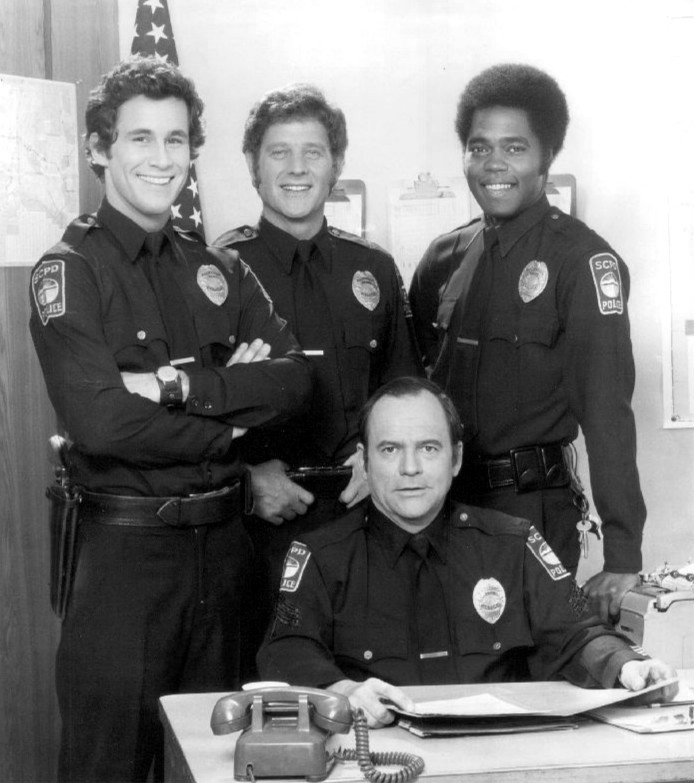
Young cops learning the badge — Spelling-Goldberg earnest street drama.
Law school as blood sport — Professor Kingsfield terrifies a generation of pre-law kids.
Disco-era space hero thawed out for laser fights and Twiki sidekick comedy.
Leonard Nimoy narrates Bigfoot, Atlantis, and every late-night rabbit hole.
Soap's butler takes the statehouse — deadpan competence vs. political chaos.
When the Harts take a case — champagne detective couple energy.
Second City Television — Melonville media satire for comedy nerds who quote deep cuts.