Star Trek
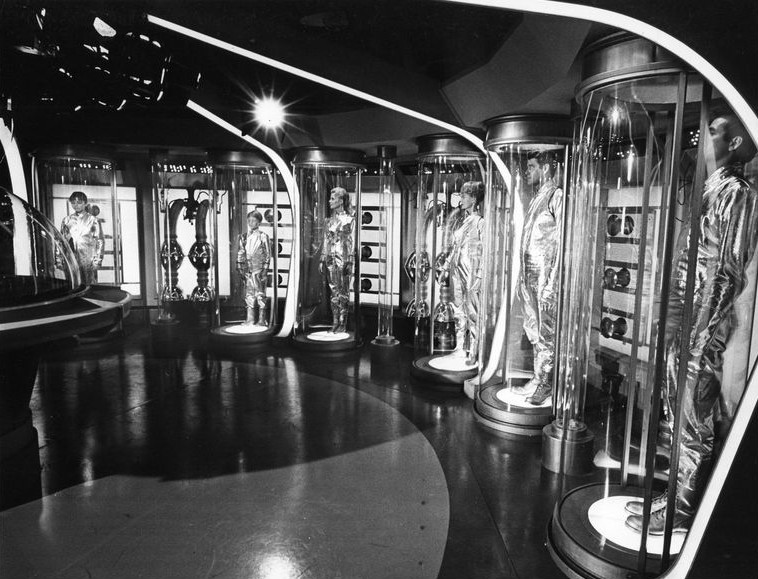
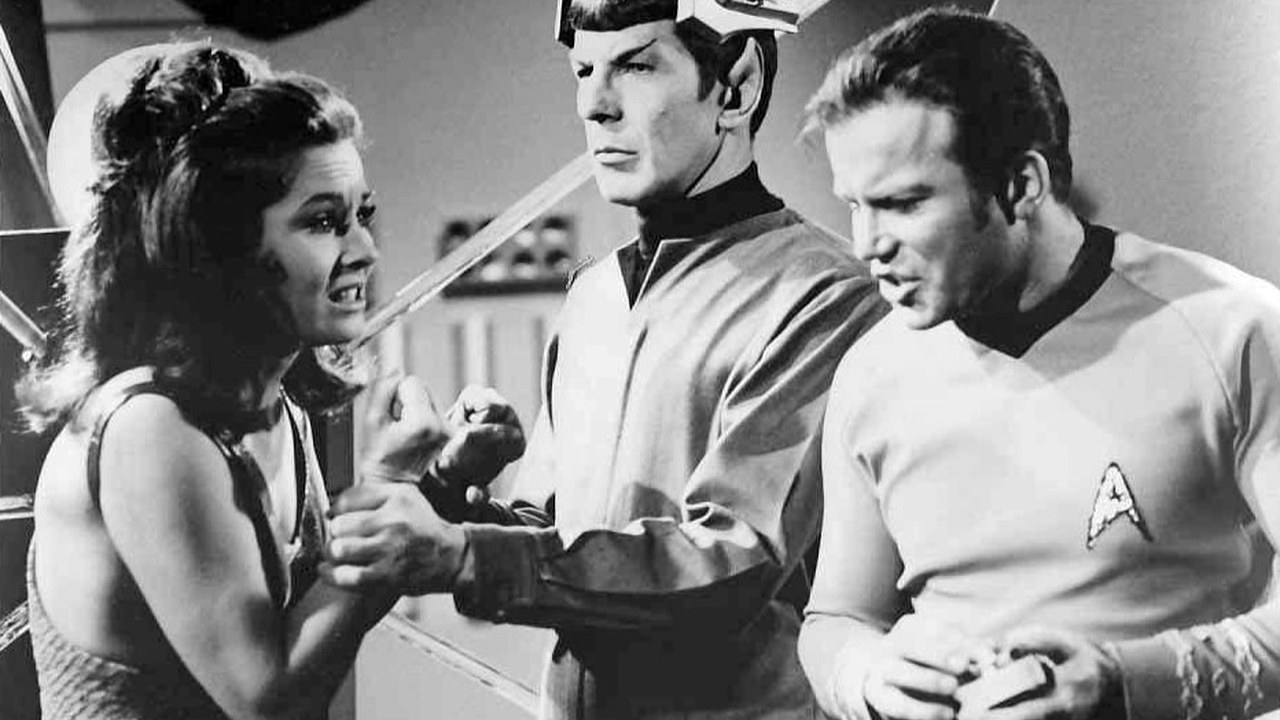
A cancelled space opera that refused to die — fandom's founding text.
1960–1969
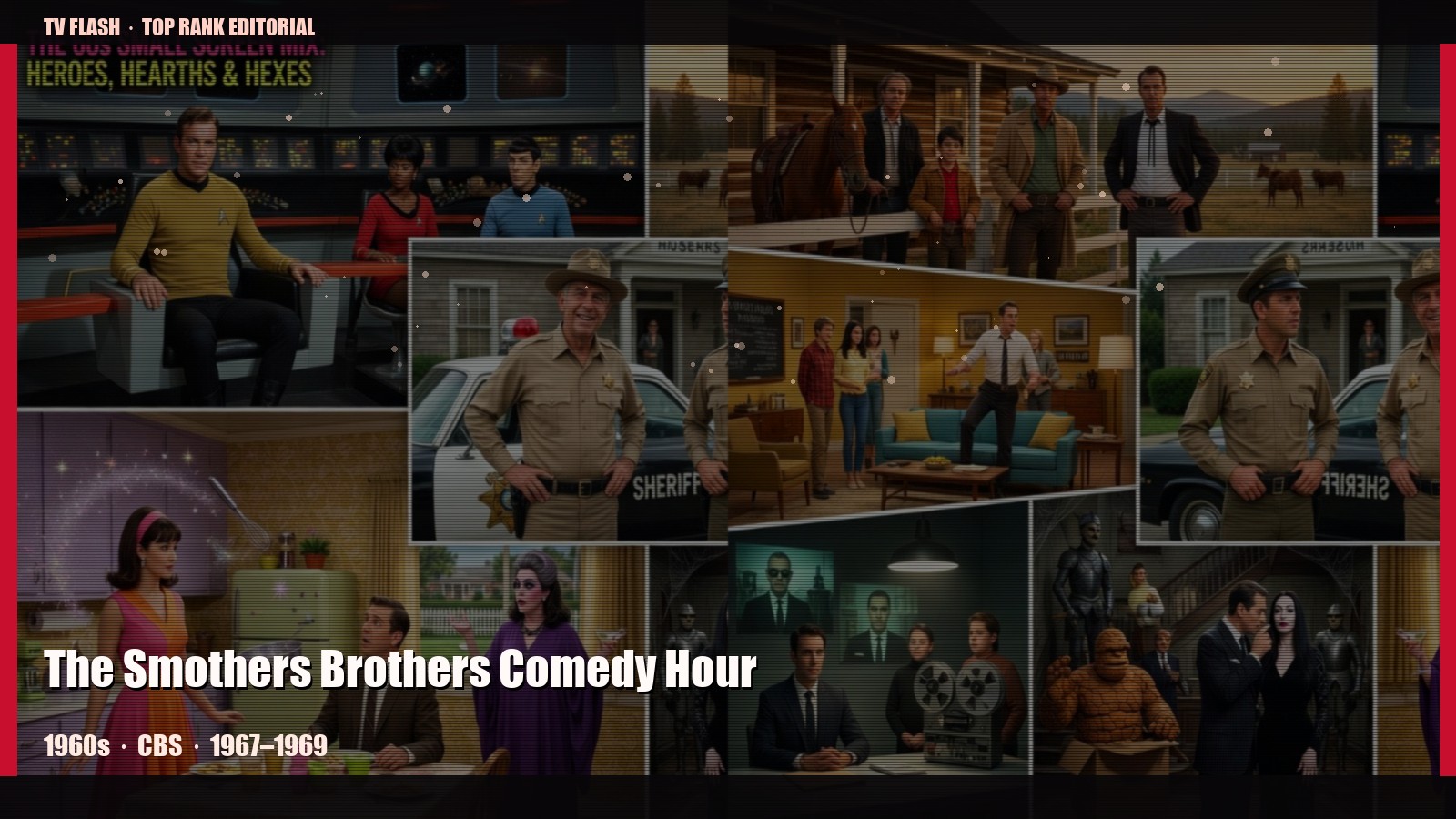
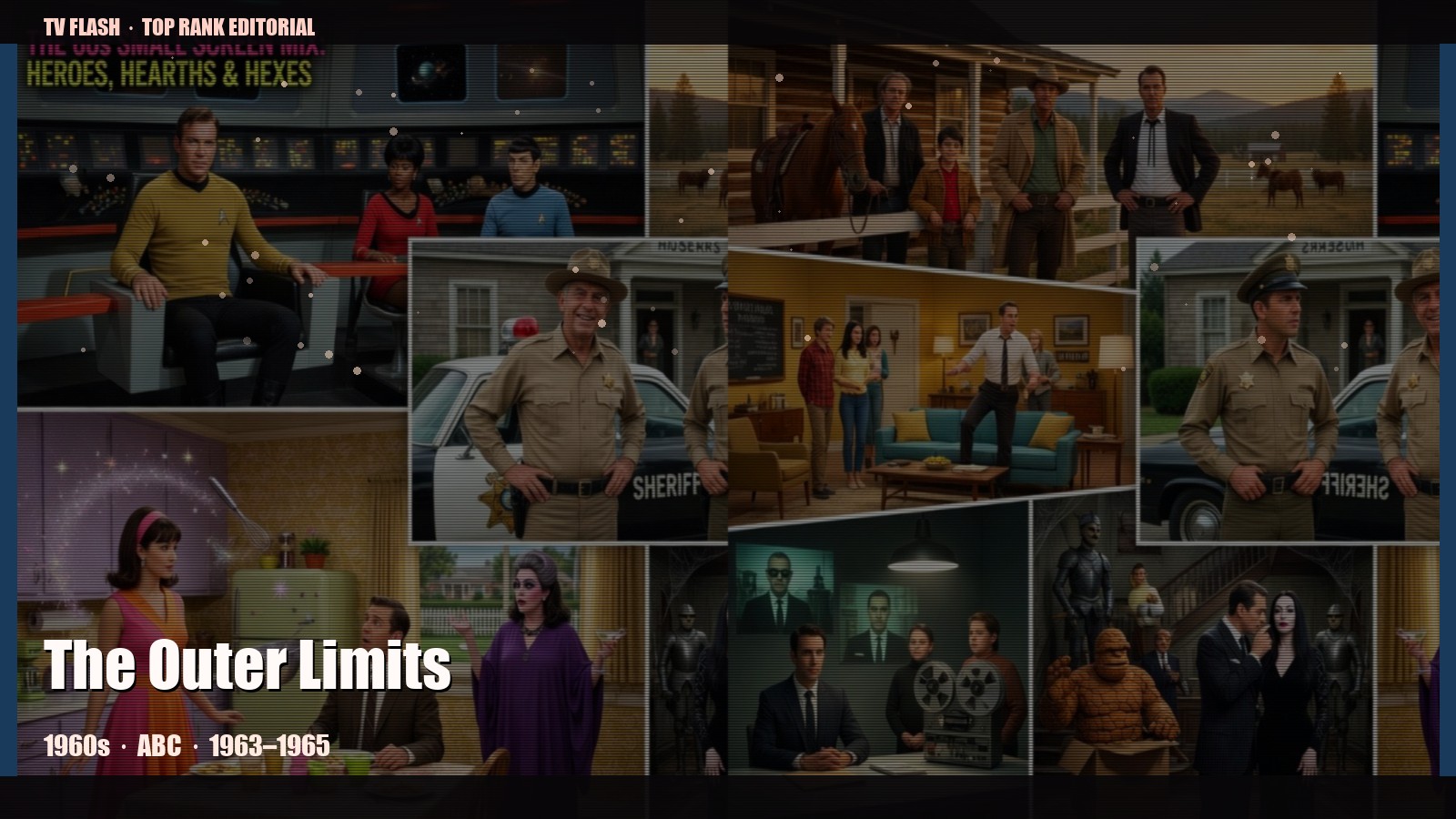
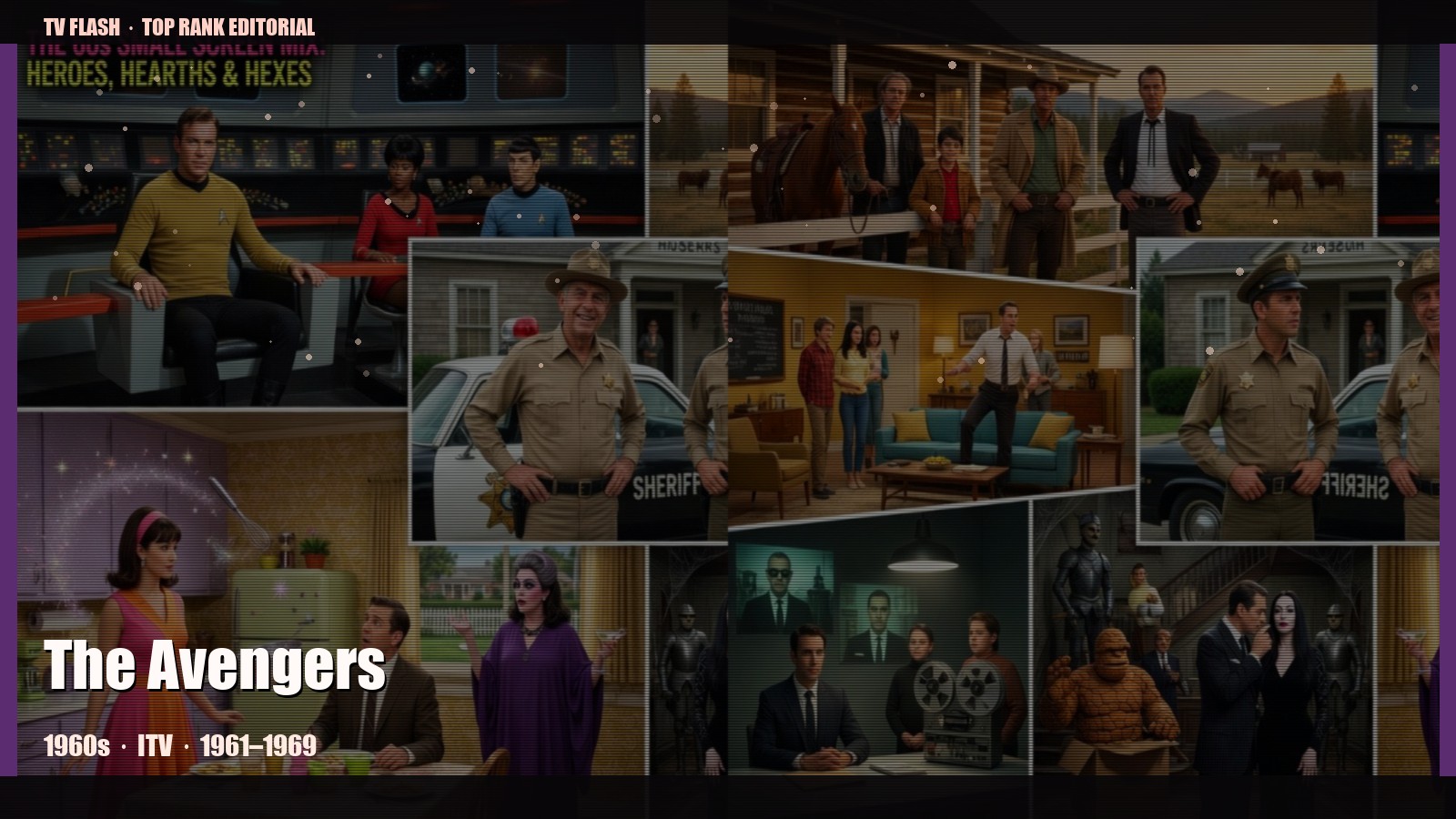
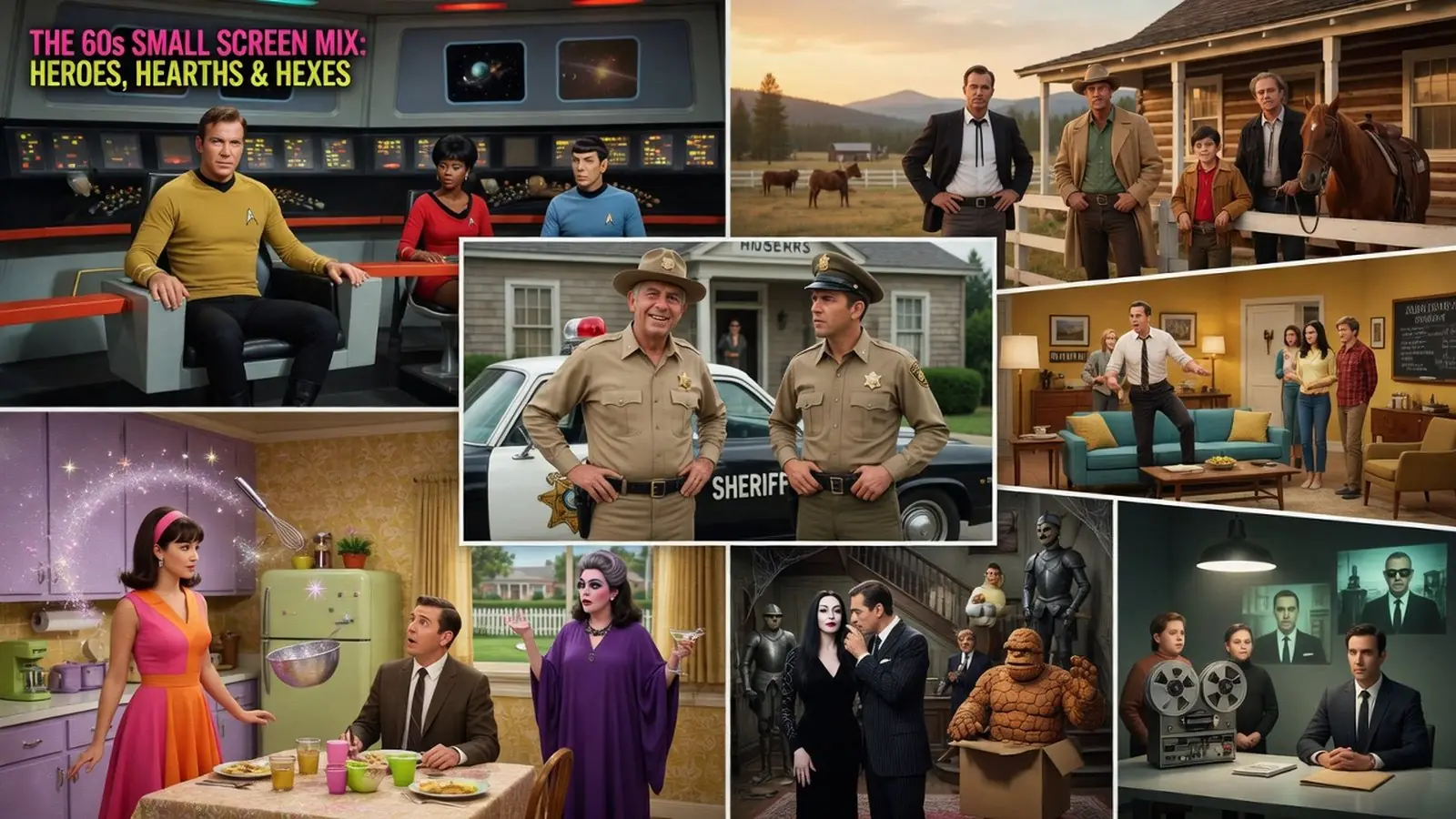
The 1960s on TV Flash is Color, Spies & Space: Star Trek sells a starship as weekly imagination, Mission: Impossible and Get Smart split spy craft from spy farce, and The Dick Van Dyke Show makes a writers' room look like a living room. Bewitched keeps the suburb uncanny; The Andy Griffith Show holds the porch.
Technicolor ambition, cold-war cool, laugh tracks and lunar dreams.
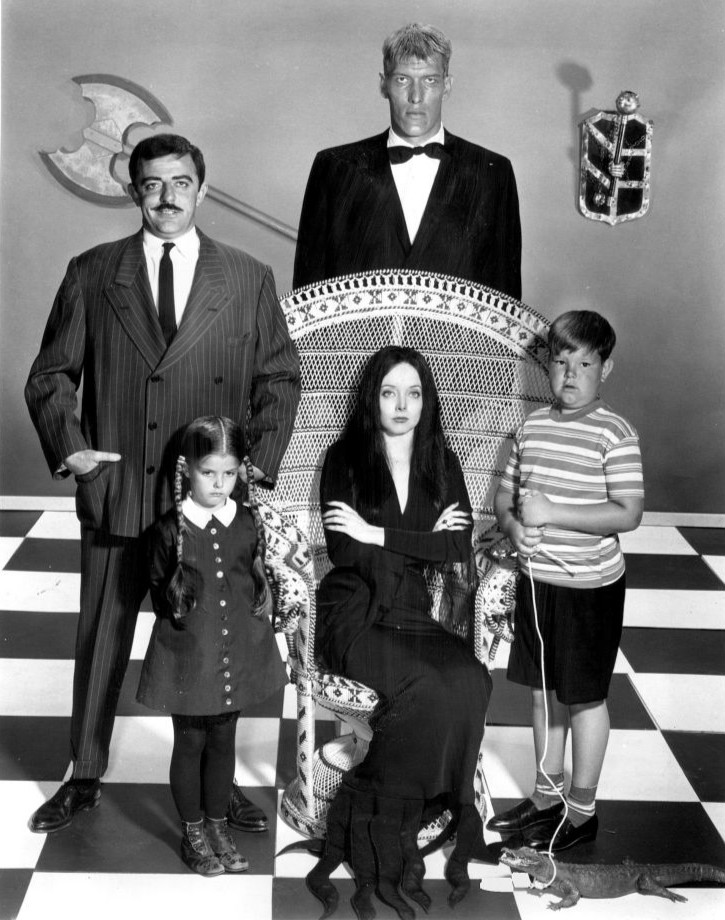
On TV Flash, the 1960s is the decade the picture went color and the gossip columns followed it onto a starship. The Andy Griffith Show and Bonanza keep the rural sitcom and the ranch hour as national furniture; The Dick Van Dyke Show treats New Rochelle and a comedy writer's office as the same joke. Bewitched and The Addams Family prove suburbia could twitch a nose or snap a finger and still make the sponsor's living room. This is not 1950s kinescope glow. It is laugh-track ambition with a cold-war wink and a NASA poster in the kids' room.
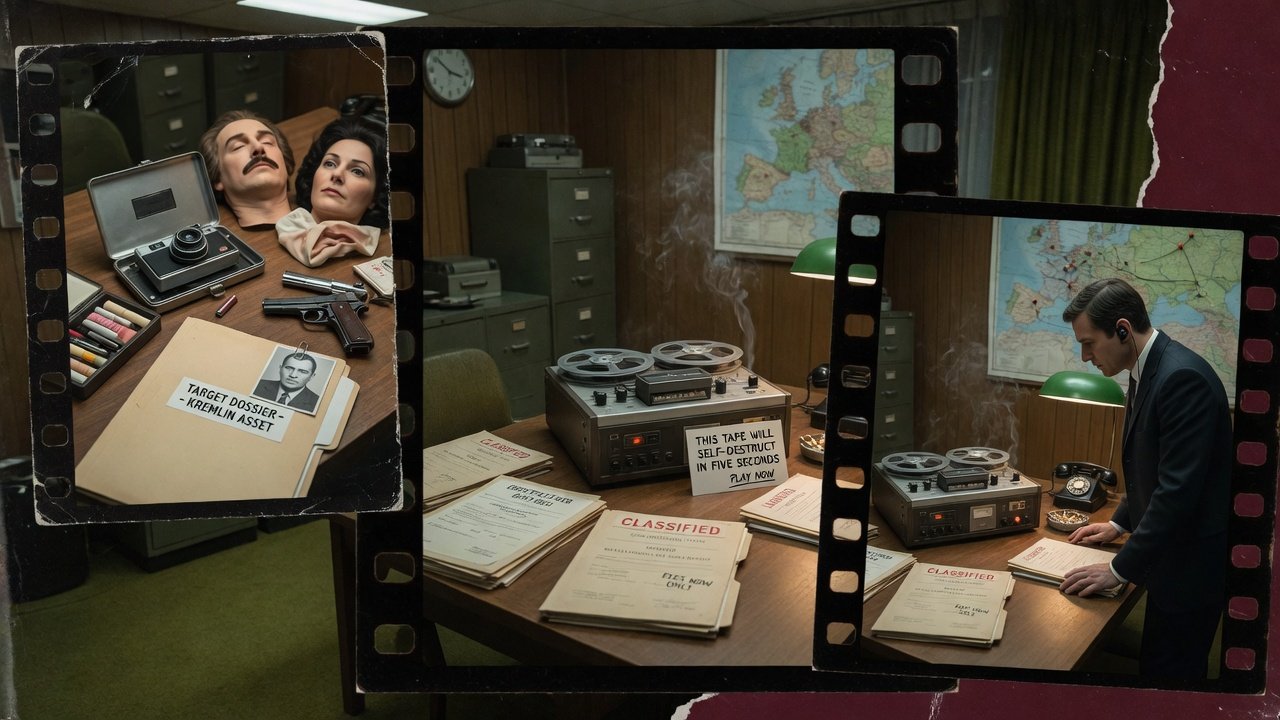
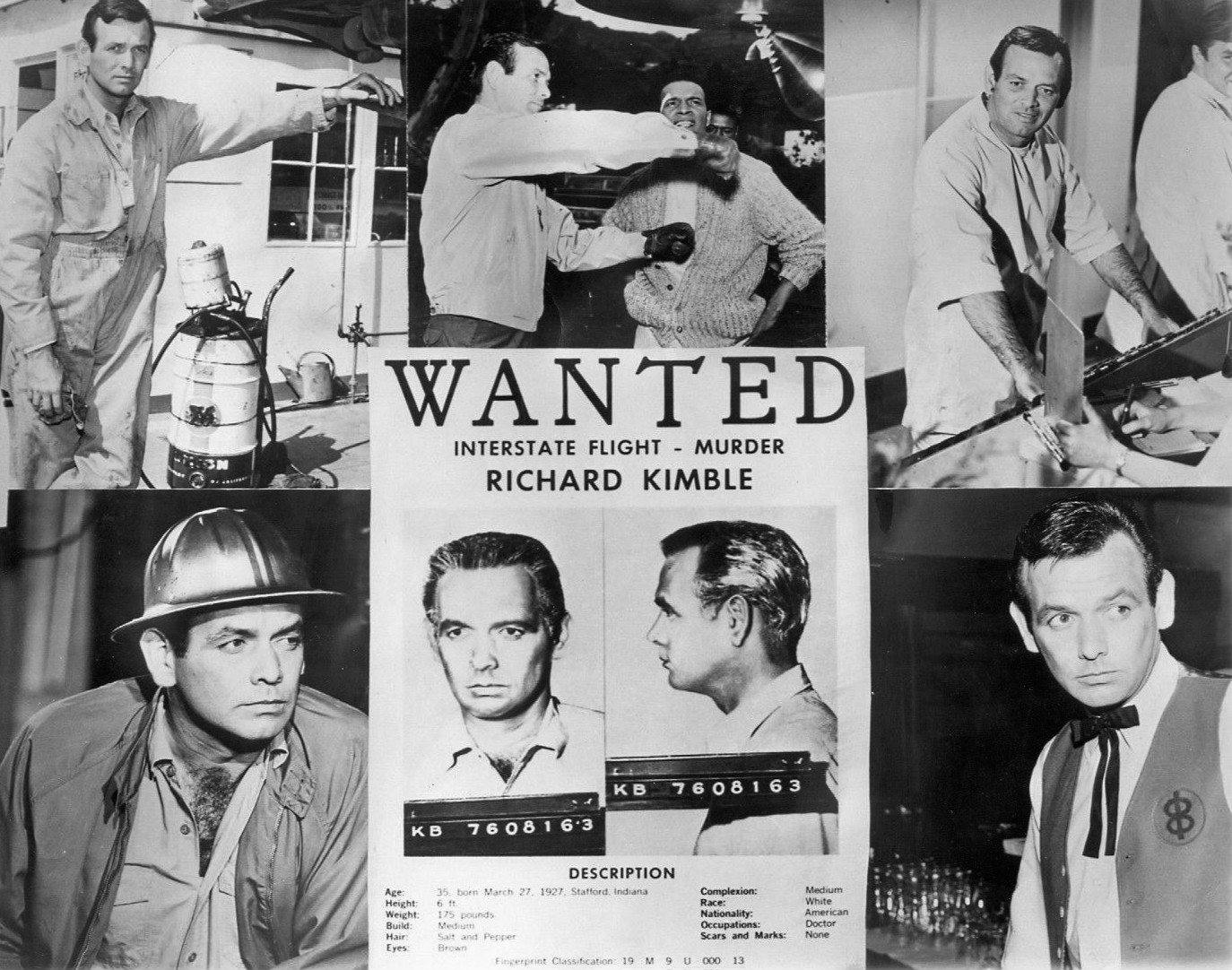
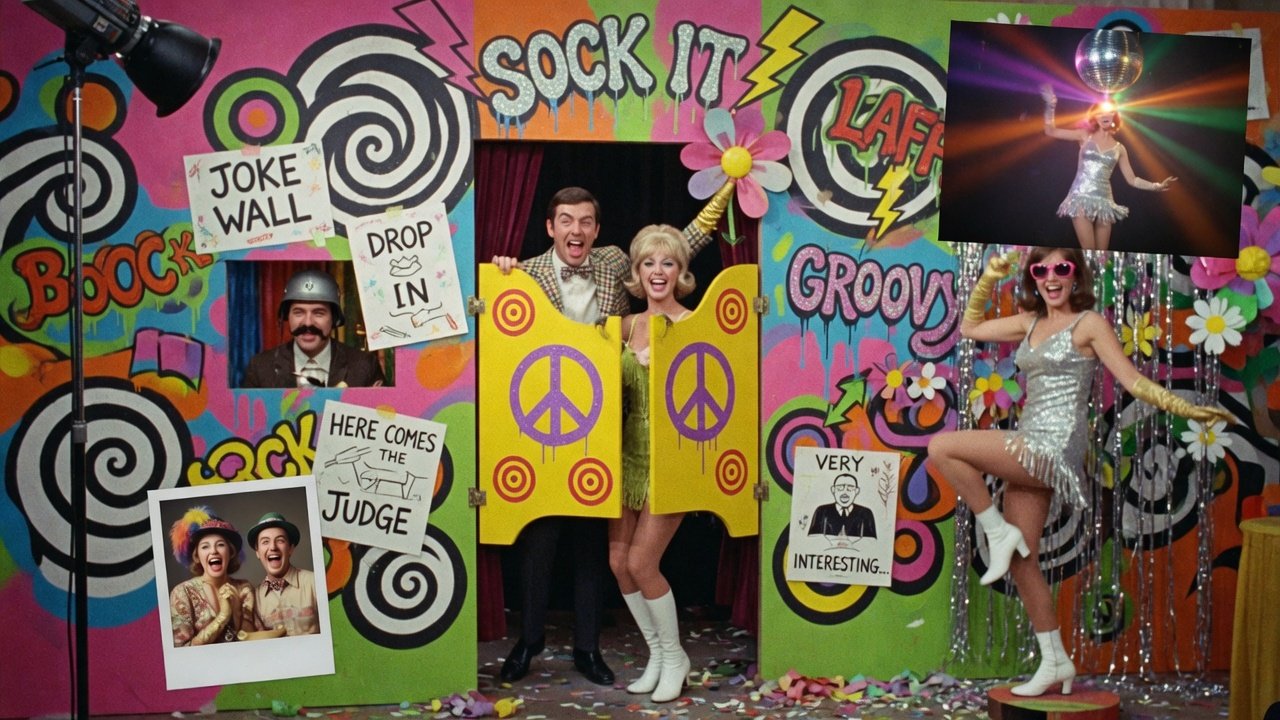
Then the other 1960s leaves the porch on purpose. Star Trek treats a starship as weekly imagination; Mission: Impossible is the assignment that self-destructs; Get Smart is spy farce in a shoe-phone key; The Fugitive is the man who cannot stop running. Rowan & Martin's Laugh-In detonates sketch into a party the 1950s variety hour did not throw. Catalog flavor from the same night includes Batman, The Man from U.N.C.L.E., and The Outer Limits. Start with Griffith or Van Dyke if you want the living room. Stay for Trek or Laugh-In when you want the decade to leave Mayberry.
Start with The Andy Griffith Show or The Dick Van Dyke Show if you want the living room still talking. Star Trek if you want the starship; Mission: Impossible or Get Smart if you want spies in two keys — craft and farce. Bewitched and The Addams Family are the suburb that would not stay ordinary. Rowan & Martin's Laugh-In is the party at the end of the night.
Like the set got color and the imagination got a bigger map. Porch sitcoms and ranch hours (The Andy Griffith Show, Bonanza) still ran as furniture, but the same decade launched a starship, a self-destructing tape, a suburban nose twitch, and Laugh-In's sketch riot. Cold-war spies and a starship shared a laugh track. You still had a night; it just dressed louder than Lucy's apartment.
Skip treating The Andy Griffith Show as the whole decade when Star Trek, Mission: Impossible, The Fugitive, and Laugh-In are sitting on the same hub. Skip expecting All in the Family's dinner-table fight — that argument is the 1970s. Skip hunting every Batman camp night in the catalog before you have sampled Van Dyke or Bewitched; the highlights are the door, not the trivia closet.
The 1950s on this site is kinescope variety, prairie furniture, and courtroom habit — Sullivan, Gunsmoke, Mason. The 1960s keeps the living room and then leaves it: color, spies, starships, suburban magic. The 1970s puts relevance on the dinner table (All in the Family, Mary, M*A*S*H) and late-night on a dare (Saturday Night Live). The 1960s is the hinge — still a schedule, newly a fantasy.
Highlight shows
A cancelled space opera that refused to die — fandom's founding text.
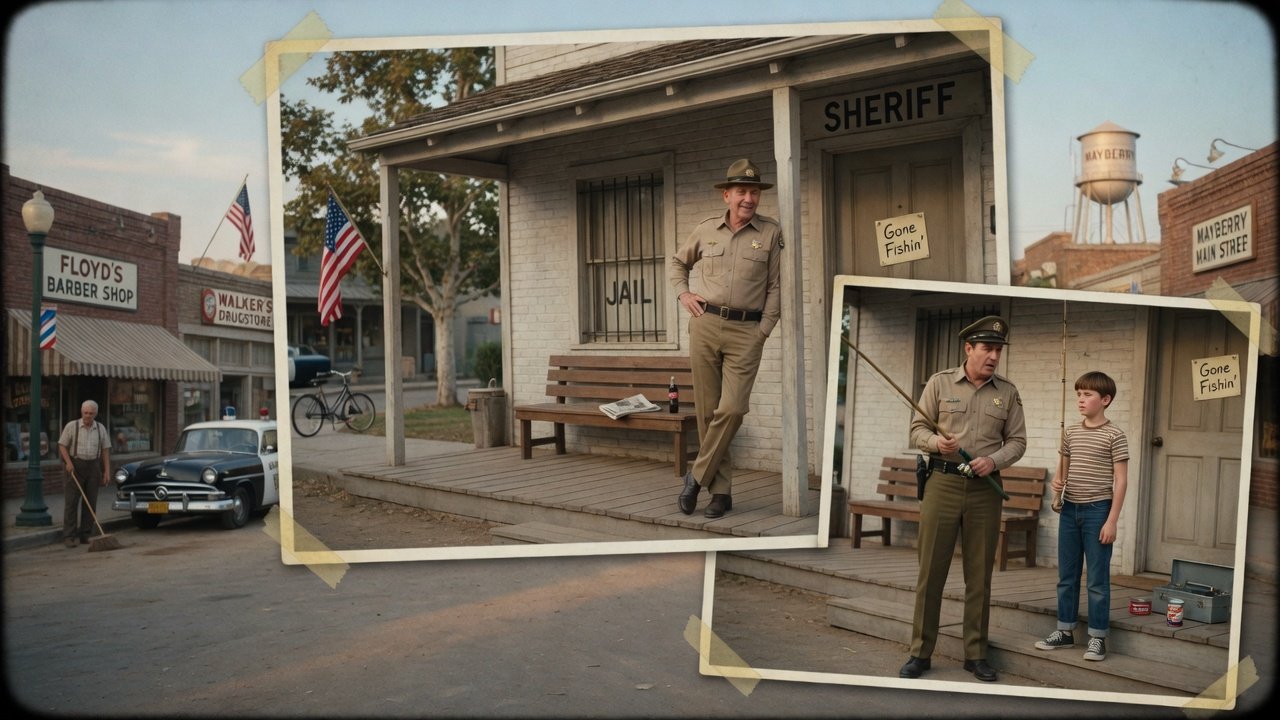
Mayberry as moral GPS — gentler than the decade around it.
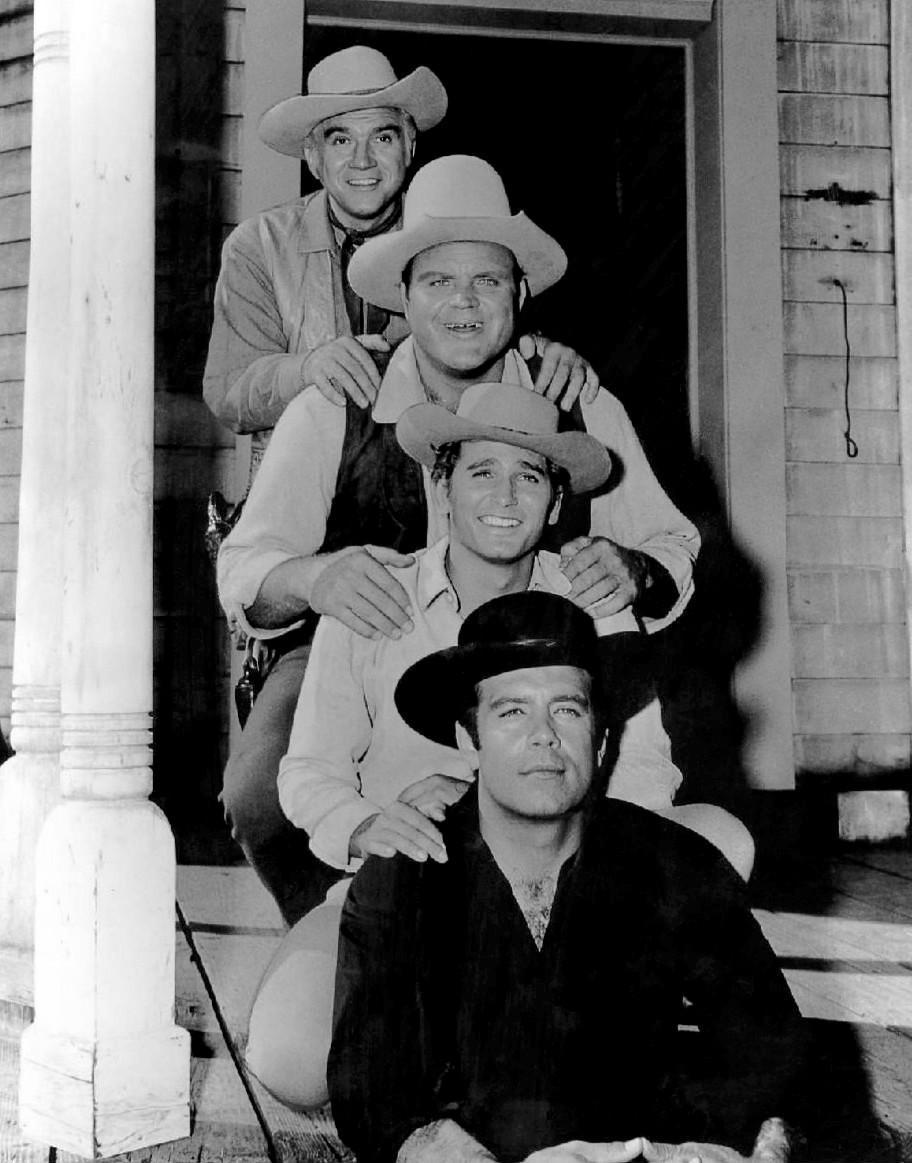
Color TV's cartwright empire — family western as Sunday ritual.
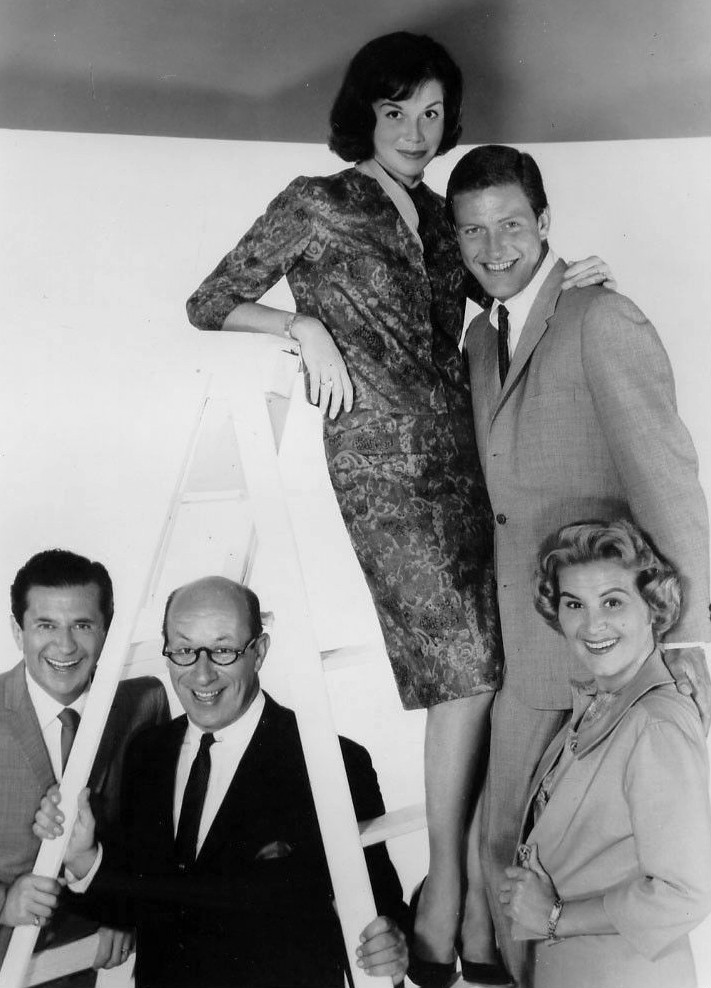
Writers' room meta-comedy with dance breaks and perfect timing.
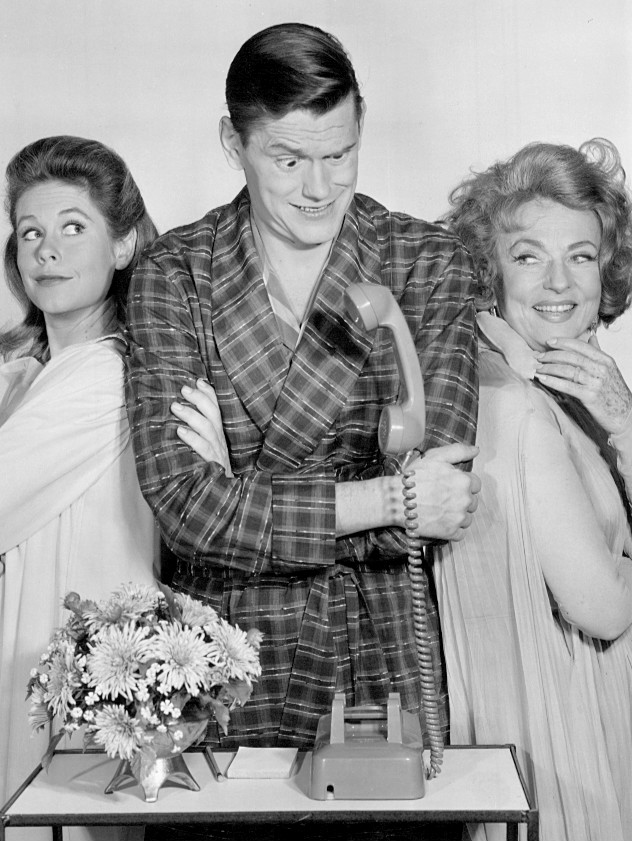
Suburban witchcraft and the nose-twitch that launched a thousand GIFs (retroactively).
Goth glamour before it was a brand — weirdness as family values.
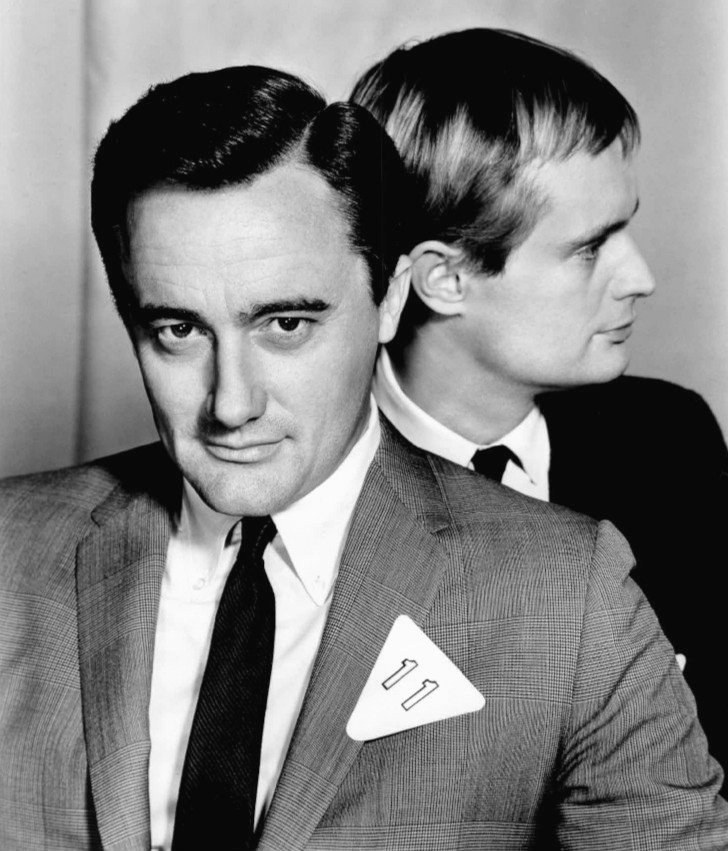
Self-destructing briefings and team-craft heists — cool as a cold war martini.
Spy satire so sharp it still works when the gadgets look quaint.
One-armed man mythology and a finale that stopped America.
Rapid-fire sketch chaos that made catchphrases a national sport.
Top 100 catalog
Expanded ranking beyond our highlight reel — full pages, cast, and editorial links.
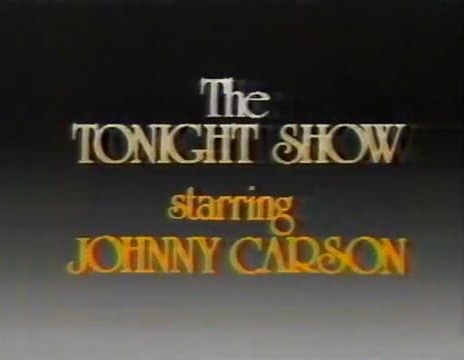
King of late night — monologues, couch chemistry, and the national bedtime story.
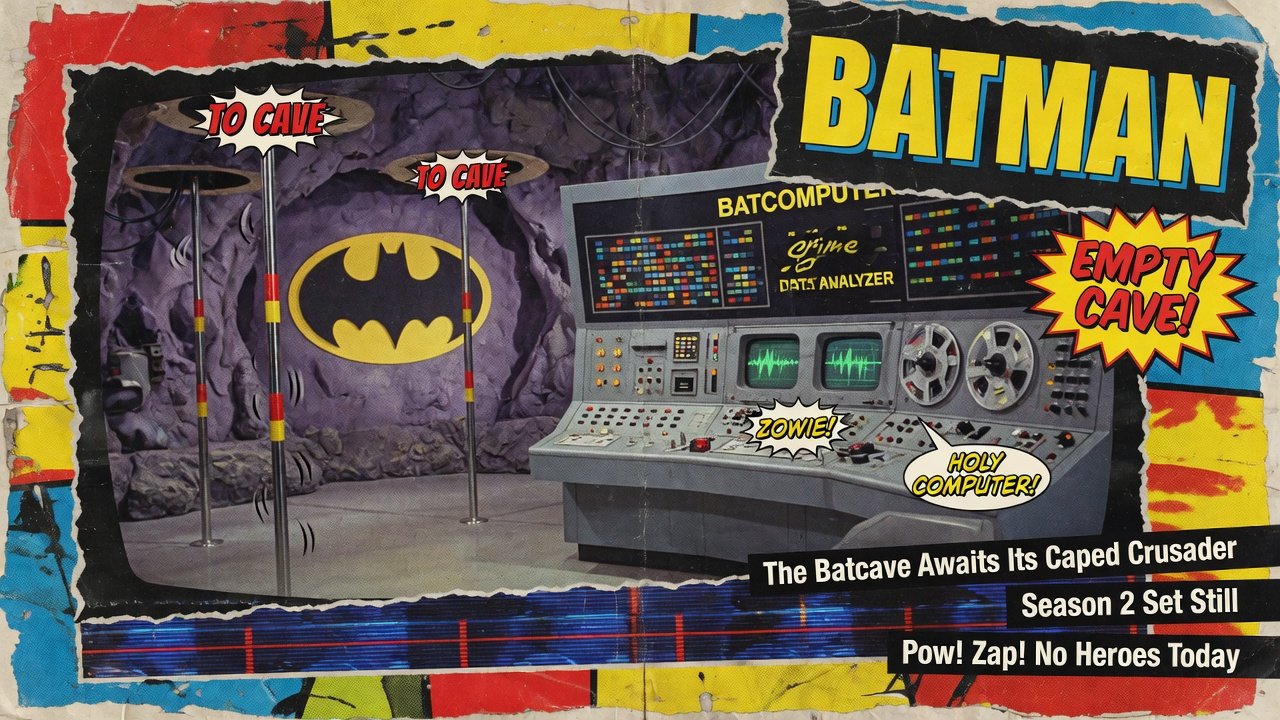
Pow! Bam! Camp crusader in tights — the color-TV superhero explosion.
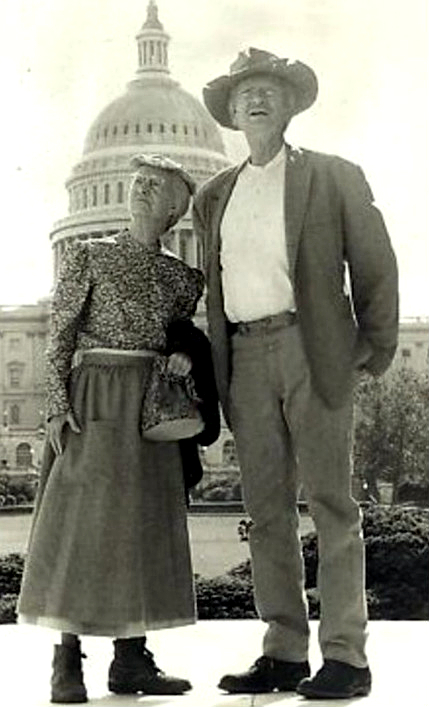
Oil-rich Clampetts crash Beverly Hills — rural comedy as ratings dynamite.
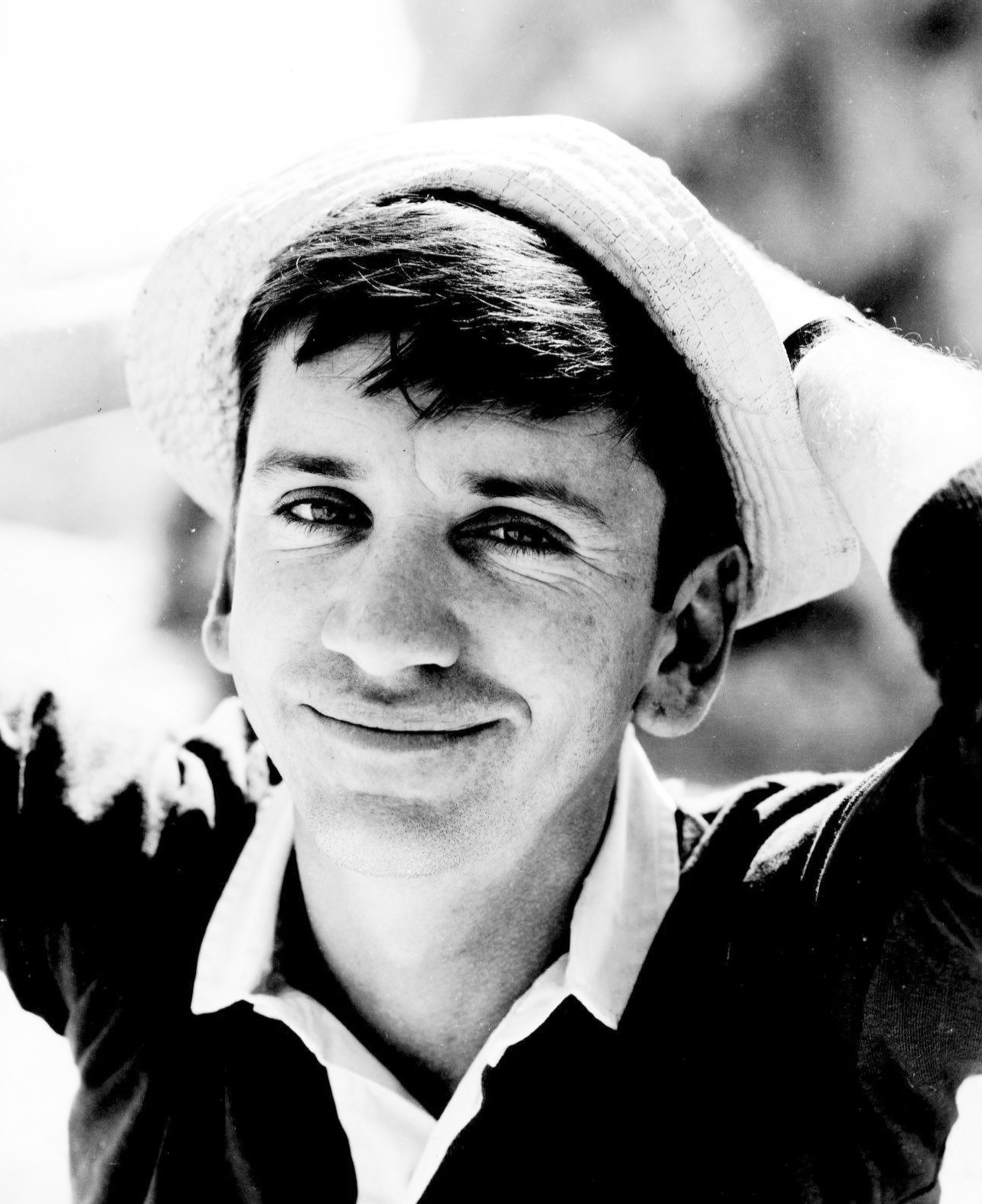
A three-hour tour that never ends — castaways as pure syndication candy.
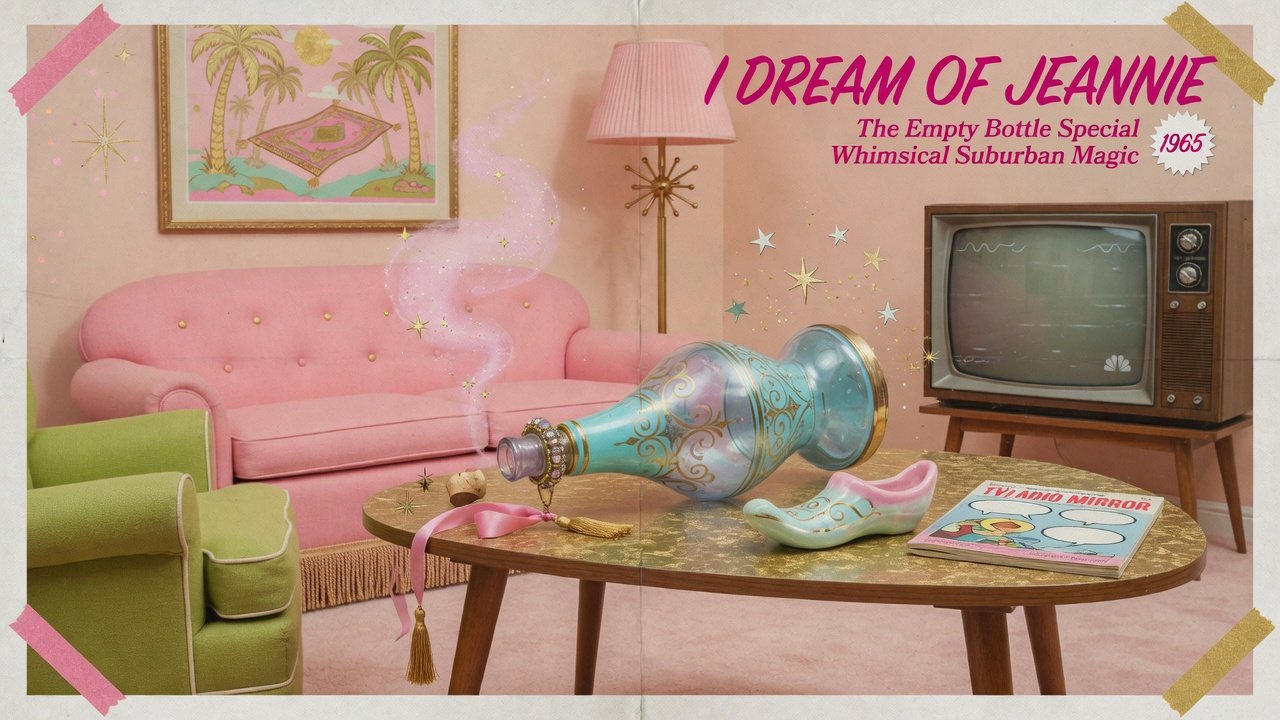
Astronaut, bottle, blink — Space Race sitcom with genie chemistry.
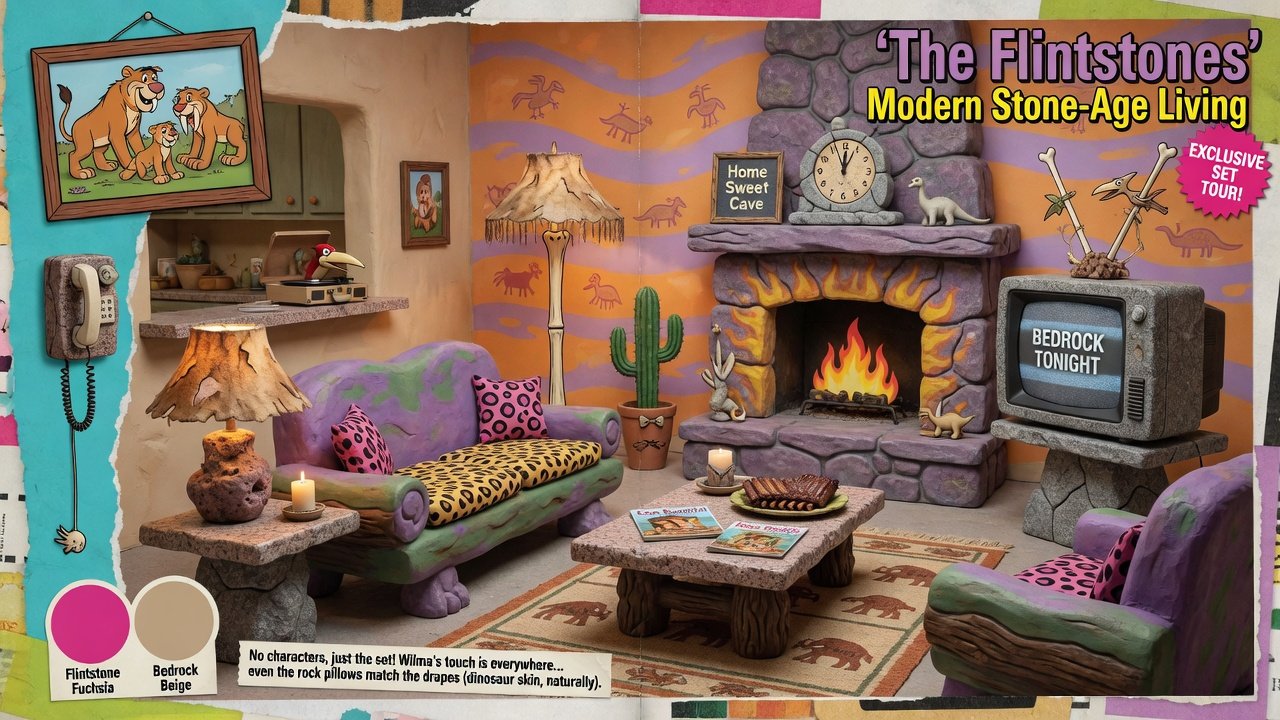
Prime-time stone-age sitcom — yabba-dabba-doo as American family brand.
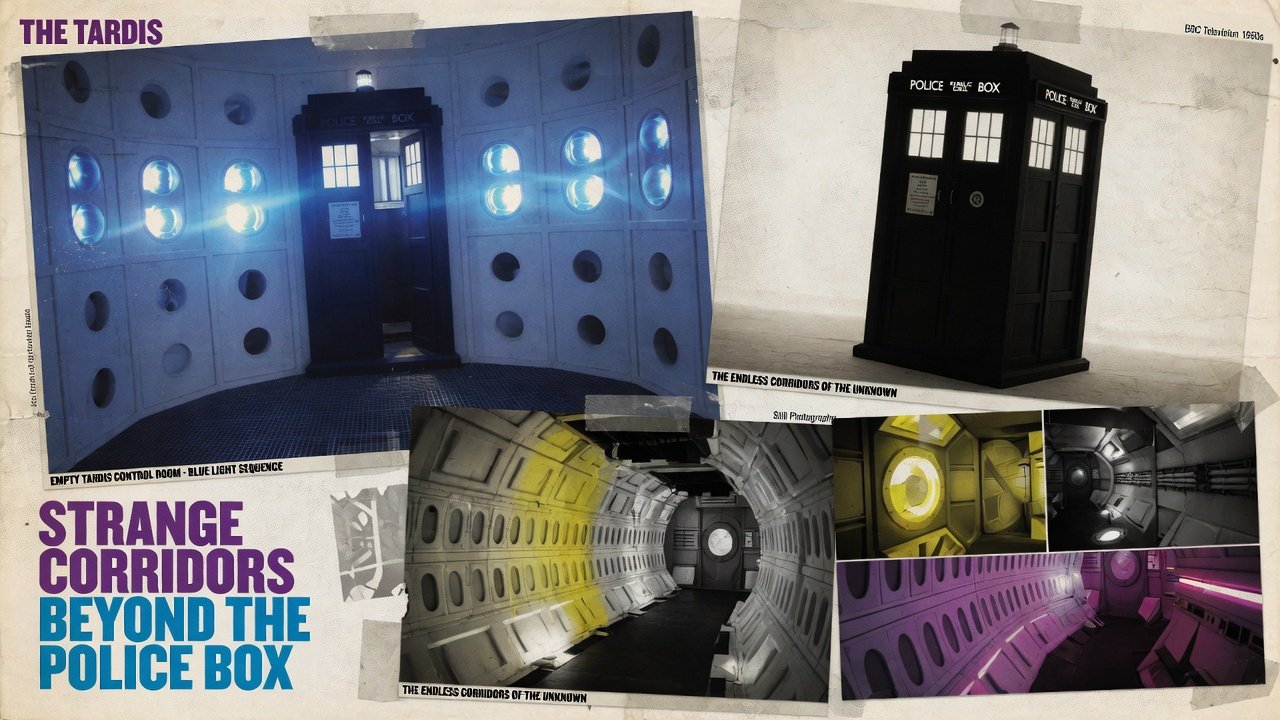
A time-traveling renegade in a police box — regeneration as infinite franchise life.
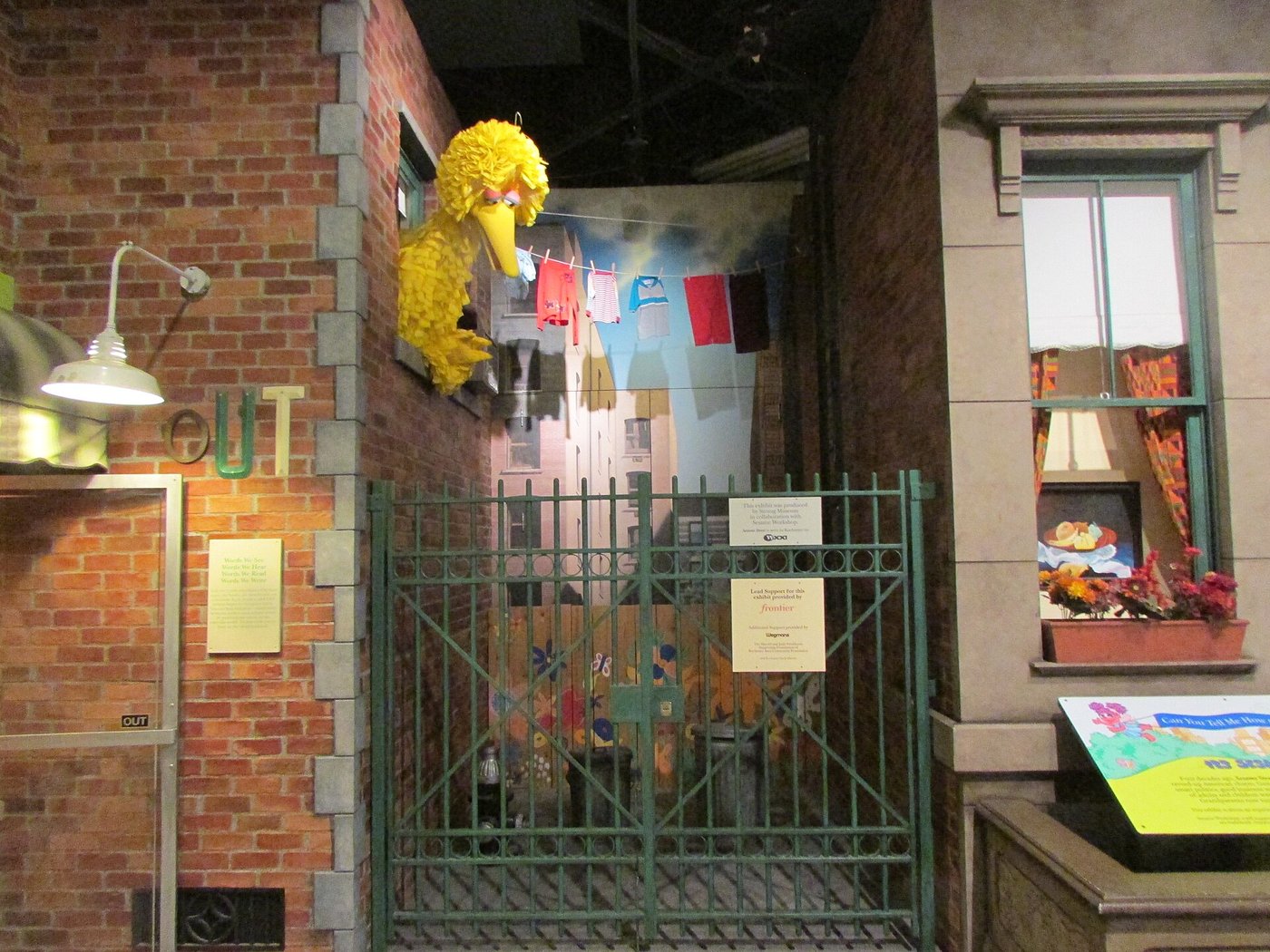
Muppets, letters, and the street that treated kids' TV like a civil-rights project.
Movie parodies, Tarzan yells, and variety comedy's gold standard ensemble.
Folk-sibling banter that smuggled Vietnam-era dissent onto CBS.
There is nothing wrong with your television set — sci-fi anthology with teeth.
I am not a number — spy surrealism in a pastel prison village.
Bowler hats, catsuits, and mod spy cool — Steed and Peel redefine TV style.
Solo and Kuryakin vs. THRUSH — Bond fever in weekly network form.
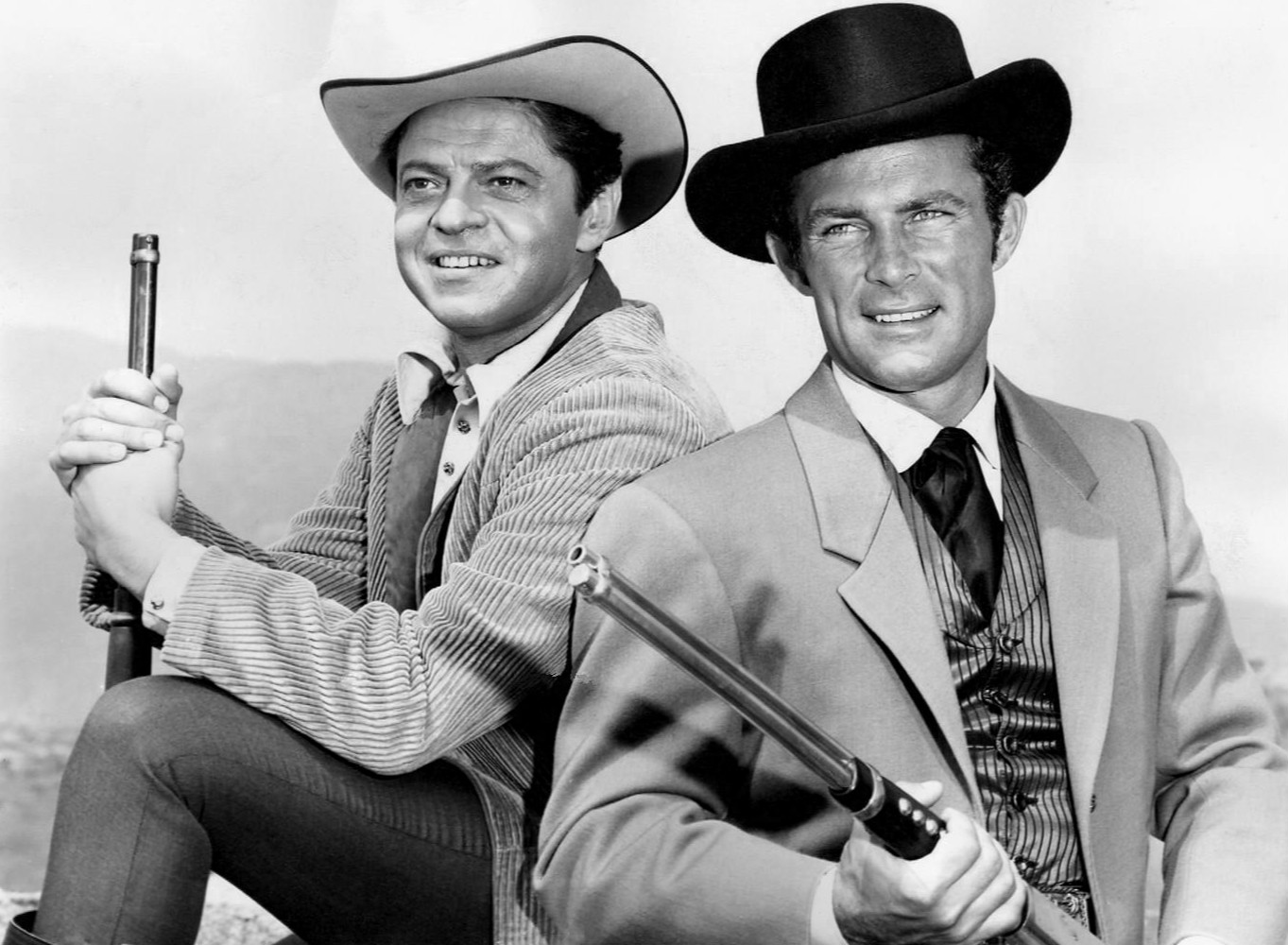
Steampunk Secret Service on the frontier — gadgets meet six-guns.
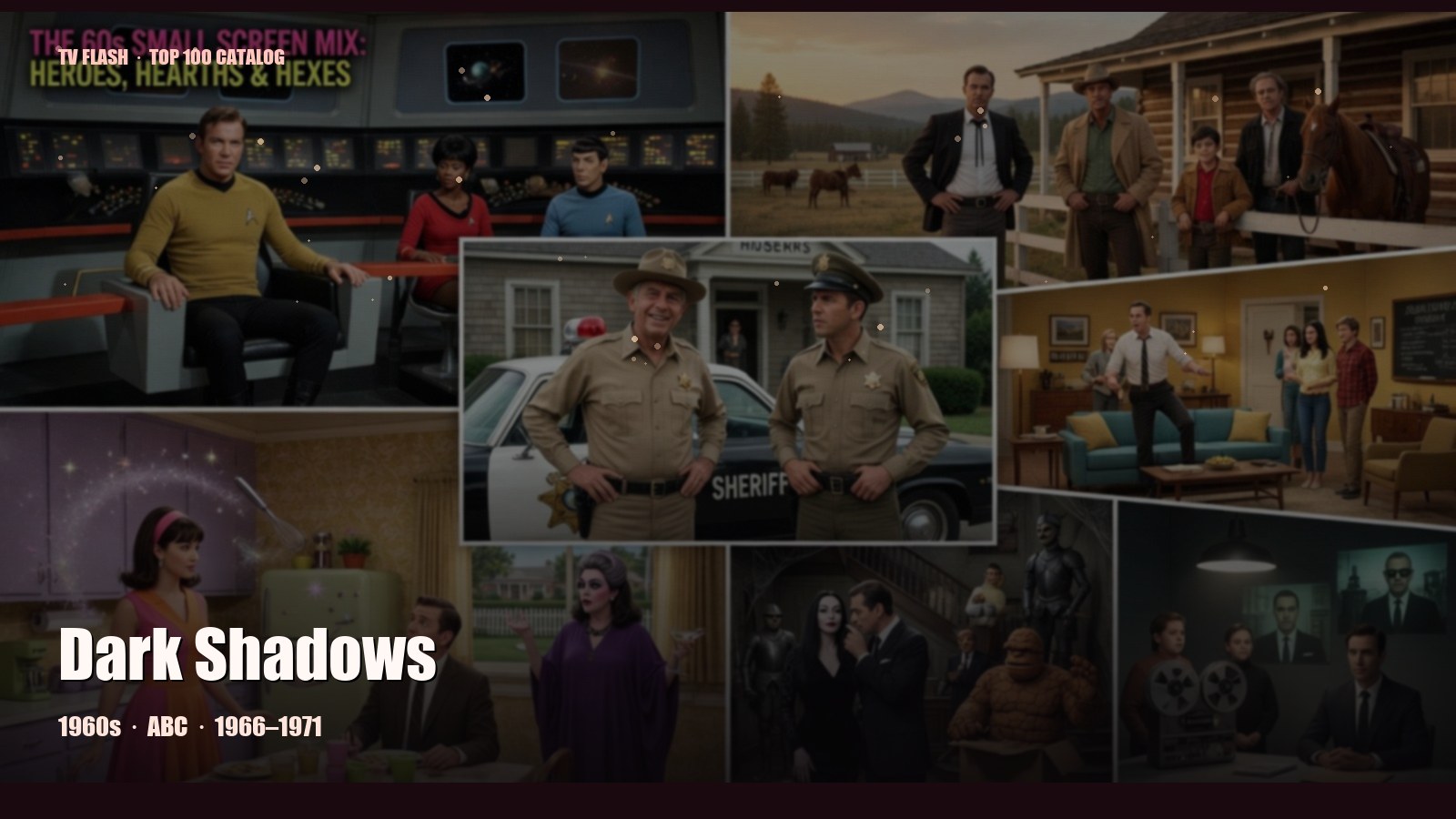
Daytime vampires, werewolves, and Collinwood gothic — soap opera goes undead.
Book 'em, Dano — island cop drama with a theme that still chases you.
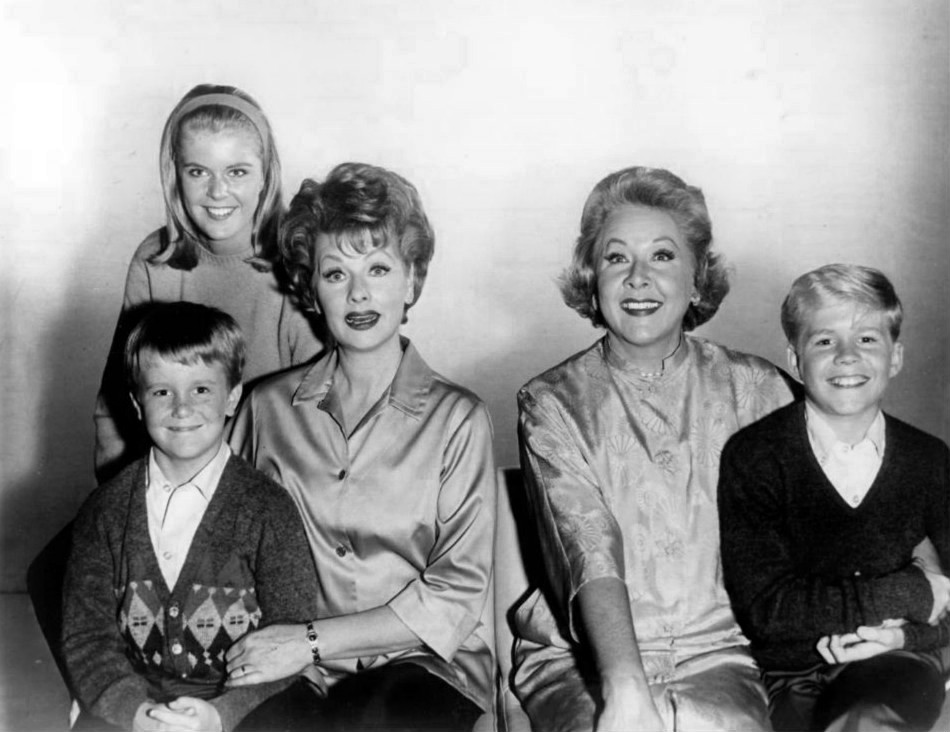
Lucille Ball post-Desi — widow schemes, bank chaos, and comedy empire 2.0.
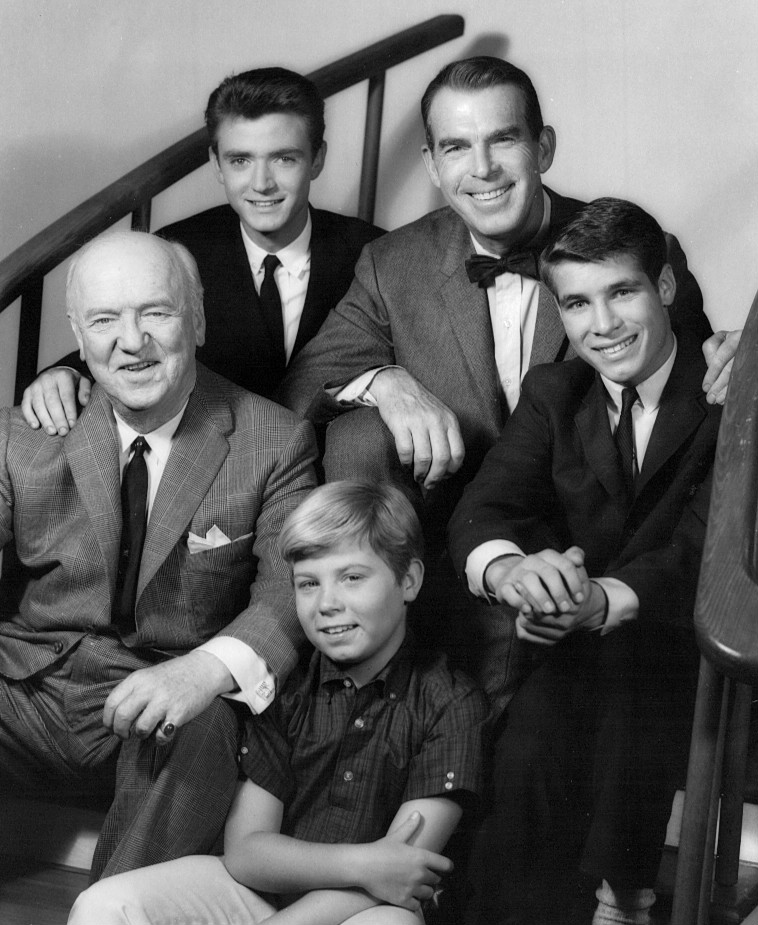
Widower dad, three boys, and Uncle Charley — domestic sitcom built to last.
New York lawyer, socialite wife, Hooterville surrealism — rural sitcom goes absurdist.
Allied POWs outwit Nazis every week — wartime sitcom as high-wire farce.
Danger, Will Robinson — family space opera with a scene-stealing robot.
Prefab four, jump cuts, and rock sitcom energy built for Beatlemania spillover.
Marlo Thomas's aspiring actress — single-girl independence in a still-daddy world.
Diahann Carroll as a nurse and mother — Black lead sitcom without the stereotype cage.
Cosby and Culp as tennis-circuit spies — interracial buddy espionage on location.
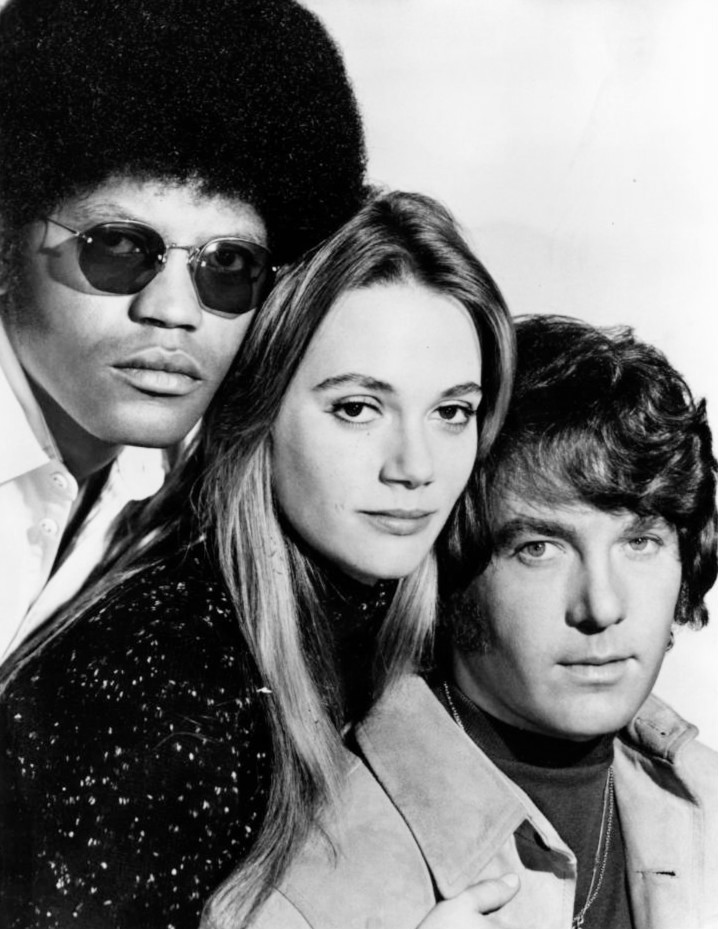
One Black, one white, one blonde — undercover youth cops for the counterculture age.
Just the facts — Jack Webb's badge minimalism returns for a turbulent decade.
Raymond Burr's wheelchair detective — authority rebuilt after Perry Mason.
Hard-charging P.I. who takes the punches — detective cool after the gadget phase.
Cardigan kindness — slow TV that treated children's feelings as sacred.
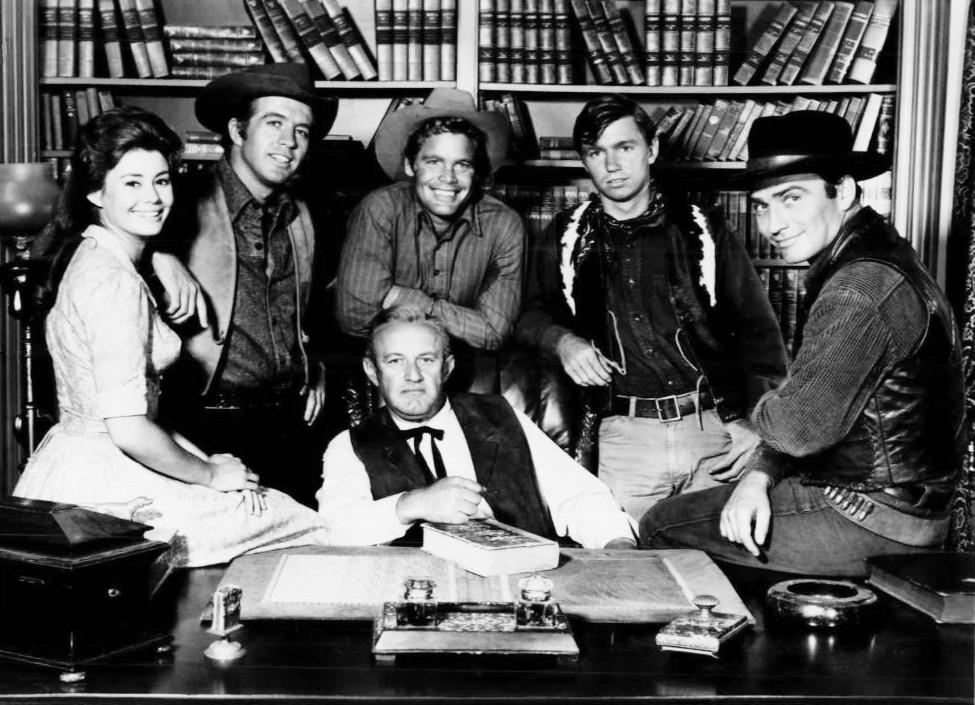
90-minute Shiloh Ranch epic — western prestige before prestige was a pitch deck.
Herman's bolts, Grandpa's cape — monster family as blue-collar sitcom.
Uncle Bill, Mr. French, and the twins — urbane guardian sitcom sweetness.
Shazam! Mayberry's gas man joins the Marines — innocence vs. sergeant rage.
Shady Rest Hotel, three daughters, and the Cannonball train — rural comedy's cozy hub.
Here's the story — blended-family sitcom that became 70s afterschool religion.
Meddling kids, a cowardly Great Dane, and monsters who are always Mr. Whoever.
Answers first, questions second — quiz TV's most elegant trap.
Door Number Three and costume-clad traders — deal-making as carnival chaos.
Bachelor, bachelorette, and innuendo — dating as primetime quiz.
Prime-time scandal town — secrets, affairs, and serial heat twice a week.
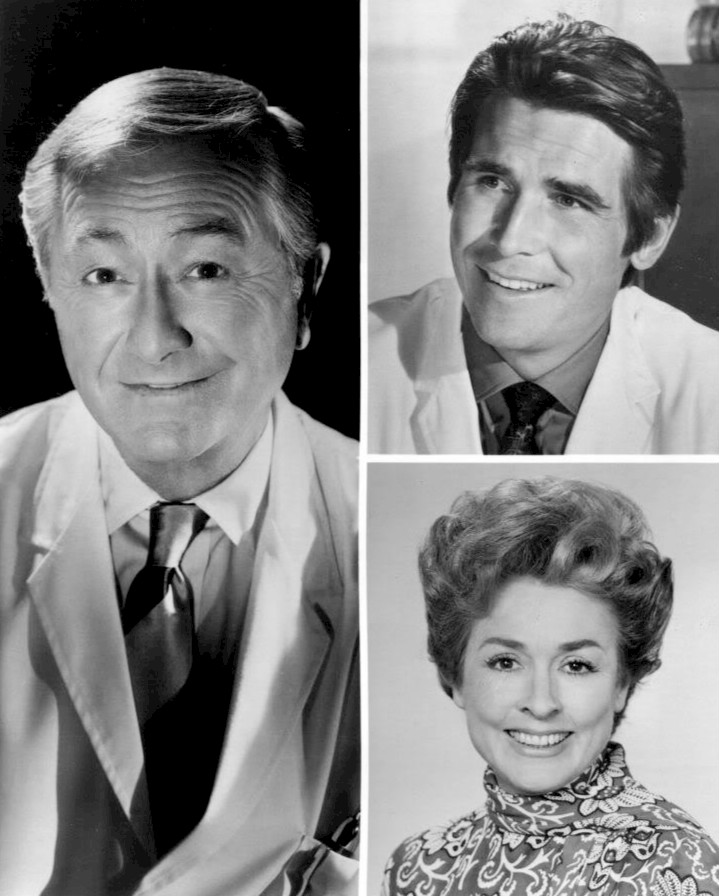
Robert Young's kindly GP — house-call empathy as ratings medicine.
Integrated L.A. high school — relevance sitcom-drama with chalk dust.
Space-age family sitcom — flying cars, push-button jobs, and Rosie the robot.
Moose and squirrel vs. spies — puns, Cold War satire, and fractured fairy tales.
Two guys, a Corvette, and America as open-road anthology.
Saunders' squad in WWII Europe — grit over glory on network war TV.
Richard Chamberlain's idealistic intern — medical soaps get a matinee idol.
Man, woman, birth, death, infinity — intense neurosurgeon drama with a chalkboard creed.
Kookie, Kookie, lend me your comb — Hollywood private eyes with cool jazz.
Roger Moore's haloed rogue — charming thief-hero before Bond made him official.
Patrick McGoohan's John Drake — spy craft without the cartoon gadgets (mostly).
Irwin Allen's Seaview — submarine spectacle with sea monsters and Cold War nerves.
They're here — Quinn Martin's alien-invasion paranoia in a suit-and-tie America.
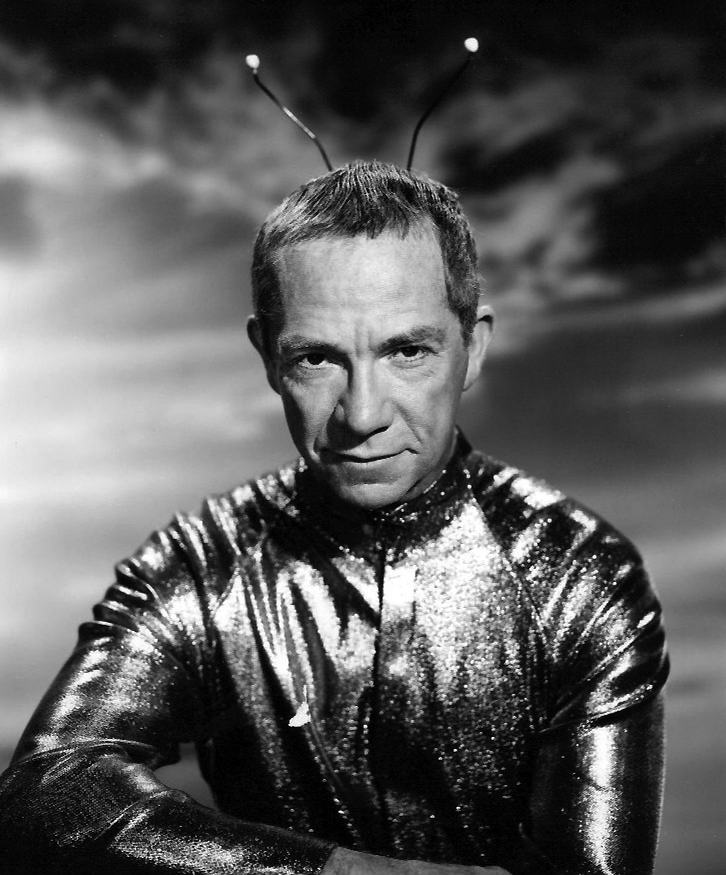
Uncle Martin the antennaed alien — sci-fi sitcom before Trek made space serious.
A horse is a horse, of course — talking-animal sitcom that shouldn't work and did.
Identical cousins — one Brooklyn bounce, one Edinburgh poise, one Emmy kid star.
Good ol' Mr. Wilson! — comic-strip kid chaos in midcentury suburbia.
PT-73 hijinks — wartime sitcom with Ernest Borgnine's sneaky skipper.
Fort Courage farce — cavalry, Hekawi schemes, and slapstick frontier corruption.
Arizona ranch empire with bilingual border tensions — adult western late style.
Fess Parker's coonskin return — frontier hero TV for the whole family.
Smarter than the average dolphin — Florida Keys family adventure with marine star power.
Disney's Sunday night showcase — color TV's best salesman in a cardigan empire.
Prime-time rock variety — go-go dancing and British Invasion heat on ABC.
NBC's answer to Shindig — cages, choreography, and chart-topper TV.
Moon River hospitality — easy-listening variety with Christmas brand power.
The thrill of victory, the agony of defeat — anthology sports as global window.
Buckley's polysyllabic sparring — long-form political talk as blood sport and ballet.
And now for something completely different — surreal sketch anarchy from Britain.
Serling after the Zone — paintings as portals to nastier nightmares.
Efrem Zimbalist Jr. vs. the ten most wanted — Bureau procedural as national myth.
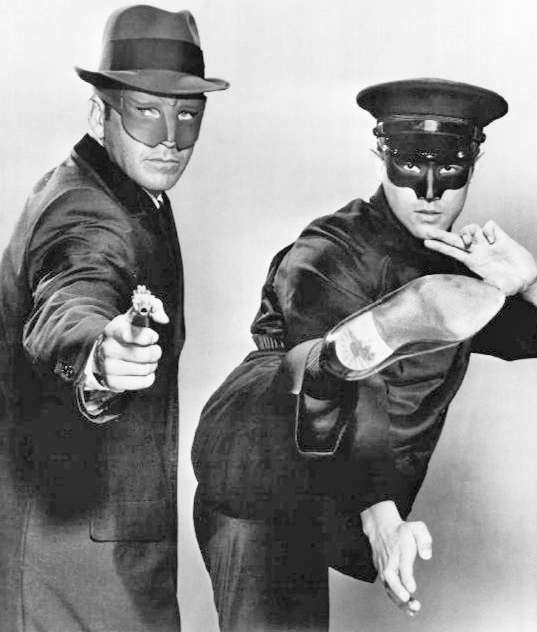
Britt Reid and Kato — martial-arts sidekick energy that made Bruce Lee a U.S. star.