Character-comedy timing and running gags perfected for the TV age.
Why it matters
From the desk
Why The Jack Benny Program still plays
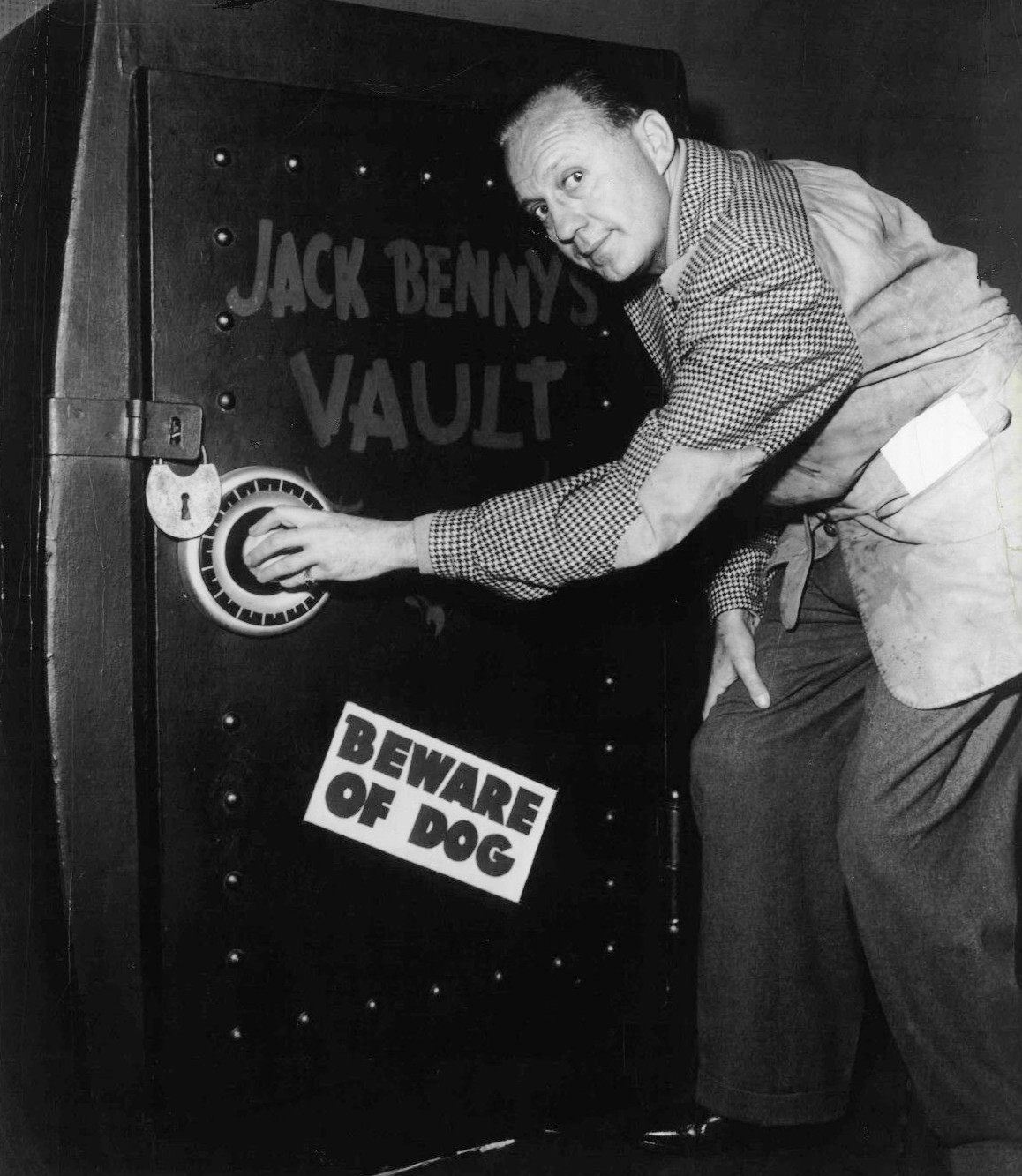
So about the pause. (I said spoiler-free. The pause is the spoiler.) *The Jack Benny Program* is the group-chat argument that silence can be a punchline, and it ran long enough — roughly 1950 to 1965, mostly CBS, final season NBC, **260 episodes across 15 seasons** — that the stingy violinist became a multi-decade sitcom engine. Radio's cheapest persona walked onto television without breaking character. Rochester, the vault, age-39 vanity. The timeline would have shipped the Maxwell.
Running gags were the plot; timing was the star. Jack Benny played a vain, penny-pinching version of himself opposite Eddie Anderson's Rochester, announcer Don Wilson, Dennis Day, and Mary Livingstone. Eddie Anderson's Rochester was among early TV's most prominent Black supporting characters; the Maxwell, the vault, and eternal age-39 vanity became national punchlines. That 'your money or your life' pause still teaches comedy classes how silence works. *The Jack Benny Program* set the gold standard for star-as-character sitcom mythology and radio-to-TV migration done right. Later meta-celebrity comedies steal from the self-roast playbook. Benny's violin incompetence and eternal age-39 vanity were signature running jokes; the radio-to-TV transition kept the stingy persona and the stacked ensemble mythos. (Lana can keep the gown. This look is a violin and a stare.) Don Wilson, Dennis Day, and Mary Livingstone kept the radio family intact on camera. The pause is the brand.
What the timeline decided, then and now: the Premiere Show is the vault and the vanity walking onto a television stage; the Entire Cast Show is the mid-1950s ensemble as the sitcom engine, Rochester and silence as a punchline you can time; *The Jack Benny Program 30 Years in the Future* is a titled time-jump that treats the running gag as science fiction; Christmas Party is holiday appointment as character comedy, the cheapskate brand doing warmth without dropping the pause.
The Smothers Brothers Show closes 1965: guest-title farewell after a multi-decade engine built on one perfectly held silence. Skip hunting a 'plot.' There isn't one. There is a persona, a radio family kept intact on camera, and a stacked ensemble mythos that survived the radio-to-TV transition without sanding off the stingy.
I need sleep and a rewatch of the pause. See you in the tags, which in this case are #vault #age39 and whatever stan account is still arguing that Benny invented the celebrity-as-character sitcom. He did. The group chat is just late.
Episode guide
How this series is filed
TV Flash files The Jack Benny Program (1950–1965) on CBS/NBC as the episode guide: 260 listed hours across 15 seasons, 1950-10-28–1965-04-16 from “Premiere Show” (S01E01) to “Smothers Brothers Show” (S15E28).
Open the episode guide · S01E01 Premiere Show · S15E28 Smothers Brothers Show
Essential episodes
Cheapest violin, longest pause — radio stinginess perfected as a fifteen-season running gag. Filed by Tessa Quinn (Spoiler-Free (Mostly)).
- S01E01 Premiere Show
Premiere Show: the vault, the age-39 vanity, and radio's stingy persona walking onto a television stage.
- S05E01 Entire Cast Show
Entire Cast Show — mid-1950s ensemble as the sitcom engine: Rochester, the vault, silence as a punchline you can time.
- S10E01 The Jack Benny Program 30 Years in the Future
The Jack Benny Program 30 Years in the Future: a titled time-jump that treats the running gag as science fiction.
- S12E10 Christmas Party
Christmas Party: holiday appointment as character comedy, the cheapskate brand doing warmth without dropping the pause.
- S15E28 Smothers Brothers Show
Smothers Brothers Show closes 1965: guest-title farewell after a multi-decade engine built on one perfectly held silence.
At a glance
Jack Benny brought radio's cheapest violinist, longest pause, and underground money vault to television without breaking a sweat — or a character. From roughly 1950 to 1965 (mostly CBS, final season NBC), he played a vain, penny-pinching version of himself opposite Rochester (Eddie Anderson), announcer Don Wilson, Dennis Day, and Mary Livingstone. Running gags were the plot; timing was the star. The show proved a radio-honed persona could become a multi-decade sitcom engine. That famous 'your money or your life' pause still teaches comedy classes how silence works.
Network & studio
Why watch now
The Jack Benny Program is the cheapest violinist, the longest pause, and radio's stingy persona perfected for television. Rochester, the vault, age-39 vanity. Watch it now as character-comedy timing that still teaches silence — a multi-decade sitcom engine built on running gags instead of plot machinery.
Cultural impact
The Jack Benny Program set the gold standard for star-as-character sitcom mythology and radio-to-TV migration done right. Rochester, the Maxwell, and the vault became national punchlines. Later meta-celebrity comedies still steal from Benny's self-roast playbook.
Creators
Jack Benny
Key cast
- Jack Benny as Jack Benny
- Eddie Anderson as Rochester Van Jones
- Don Wilson as Announcer
- Dennis Day as Dennis
- Mary Livingstone as Mary
Flash facts
- Television run primarily 1950–1965, mostly on CBS, with a final season on NBC.
- Continued Benny's long-running radio character and core supporting cast.
- Eddie Anderson's Rochester was among early TV's most prominent Black supporting characters.
- Famous for the 'your money or your life' pause and the underground vault money gag.
- Benny's violin incompetence and eternal age-39 vanity were signature running jokes.
FAQ
Where should I start?
Start anywhere the vault, the violin, or the pause is in working order. The radio-honed persona is the show; you do not need a pilot-mythology binge.
What can I skip?
Skip marching 1950–65 in order. Formula weeks repeat on purpose. The final NBC season is optional once you have the CBS ensemble rhythm.
Is it still worth it?
Yes. Character comedy refined to a jewel — vanity, stinginess, and ensemble timing without modern plot machinery.
Sitcom or variety?
Star-as-character sitcom with variety DNA — running gags and an ensemble, not a sketch hour.
Official & further reading
External sites for further reading — TV Flash is not affiliated with these networks or studios.
Back to the decade
Also on the dial
More after The Jack Benny Program
- Related showMeet the PressThe longest-running show in television history — Sunday panel combat as civic ritual.
- Related showThe Ernie Kovacs ShowVisual gags, blackouts, and Nairobi Trio — the medium inventing itself for laughs.
- Related showM SquadLee Marvin's hard cop in a hard Chicago — noir procedural with a jazz bite.
- Related showKukla, Fran and OllieAd-lib puppets and Fran Allison — gentle absurdity that adults watched without irony.
- Related showSky KingArizona rancher with a Cessna — aviation adventure for kids who wanted wings.
- Related showBat MastersonDerby hat, gold-tipped cane — Gene Barry's dandy lawman who fought with style.