Jack McCoy (law-and-order)
Sam Waterston
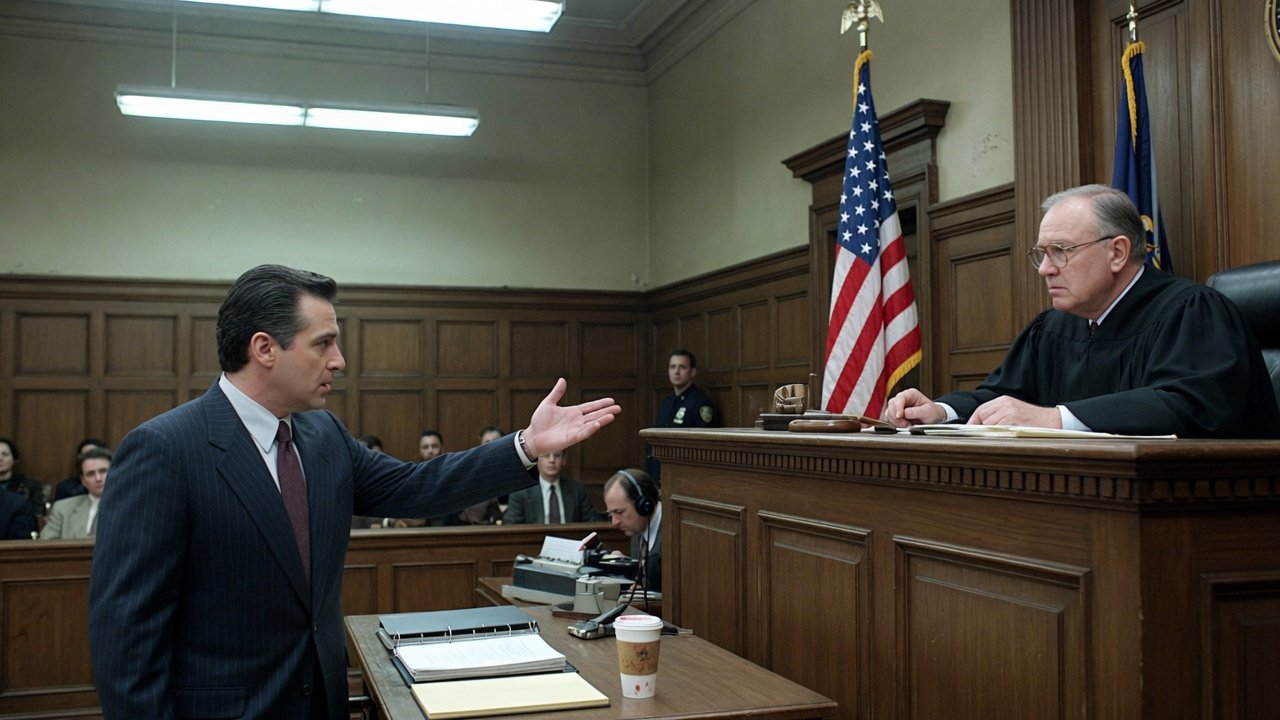
Sam Waterston’s Jack McCoy made Law & Order’s walnut-paneled courtroom feel like civic weather — executive-ADA steel, ripped-from-headlines modular TV, and two decades of interchangeable parts that still teach the form. On TV Flash he is the gavel in the dun-dun: the original 1990–2010 cathedral, plus a revival that refuses to clock out.
Sam Waterston’s Jack McCoy is the Law & Order sound that lives in the courtroom half of the hour: ripped-from-headlines modular TV, the walnut as a city, a clang as civic punctuation. On NBC from 1990–2010 — and in the revival still on the books — he made executive-ADA steel feel like a public service. Not a guest star. A municipal fixture. Cast churn was the business model; McCoy was the argument that the form still had a conscience with a pulse.
The original machine taught television how to clone a night without losing the gavel. s01e01 opens the industrial bible — hospital night, dead patient, cops then lawyers, no hug — the template the courtroom half still answers. s04e17 is the form at a sprint: one day, stacked cases, the precinct as a system under load. By s06e23 the assembly line steps off after an execution, a night that is not a case file. Waterston’s McCoy is how those hours keep a civic temperature when the furniture is at concert pitch.
On TV Flash he is comfort as infrastructure. The dun-dun is punctuation; the walnut is a city. Interchangeable parts were the feature, not a bug, and two decades of them still teach the form. We file him with the hours that made a prosecutor’s stare into appointment grammar. The revival refuses to clock out. McCoy is why the cathedral still sounds like a public office instead of a guest lecture.
Start in the courtroom half if you want the gavel; stay for the modular night if you want the city. He is not the whole precinct. He is the argument after the street. We keep him as the original 1990–2010 machine’s civic weather — executive ADA as a municipal fixture, ripped-from-headlines television that still knows how to clang.
FAQ
Where should I start with Sam Waterston on Law & Order?
Start with the courtroom half of the original 1990–2010 NBC cathedral. s04e17 is the form at a sprint; s06e23 is the machine blinking after an execution. s01e01 teaches the industrial bible the gavel still answers — cops then lawyers, no hug.
Lead, supporting, or ensemble?
Municipal fixture inside an ensemble machine. Cast churn was the business model; McCoy is the executive-ADA steel that made interchangeable parts feel like a public office, not a guest lecture.
What hour still shows the turn?
s06e23 — the assembly line steps off after an execution. A night that is not a case file; the machine blinking. That is McCoy weather: civic pulse inside ripped-from-headlines furniture.
Networks & studios
- NBC — via catalog credits
On the dial
Shows in our catalog
On the web
External sites for further reading — TV Flash is not affiliated with these networks or studios.
Stay on this channel
More with Sam Waterston
- ShowLaw & OrderDun-dun — franchise mitosis as a business model.
- Golden Age DispatchDun-Dun as InfrastructureThe original 1990–2010 machine, plus an honest look at the revival still on the books: ripped-from-headlines modular TV, cast churn as a business model, and five hours that still teach the form.
← All actors · All shows · Networks · Studios