
Buster Bluth / Gary Walsh — Arrested Development & Veep
Tony Hale
Tony Hale’s Buster Bluth made Arrested Development’s mother issues into physical comedy gold, then became Selina Meyer’s human shield Gary on Veep. Emmy-winning anxiety as art form. Callbacks as sitcom architecture, humiliation as a D.C. release strategy. On TV Flash he is the scene-stealer who never looks comfortable — perfectly.
Tony Hale’s Buster Bluth is Arrested Development written like a crossword: Fox cult joke density, narration as a raised eyebrow, callbacks as plot. Fox, 2003–2006 for the years this file rewatches. Hale made mother issues into physical comedy — the chair, the stair car, the panic that is the punchline. Netflix seasons are a different machine; Buster is how the Fox years still rewatch. Anxiety as art form. Never comfortable — perfectly.
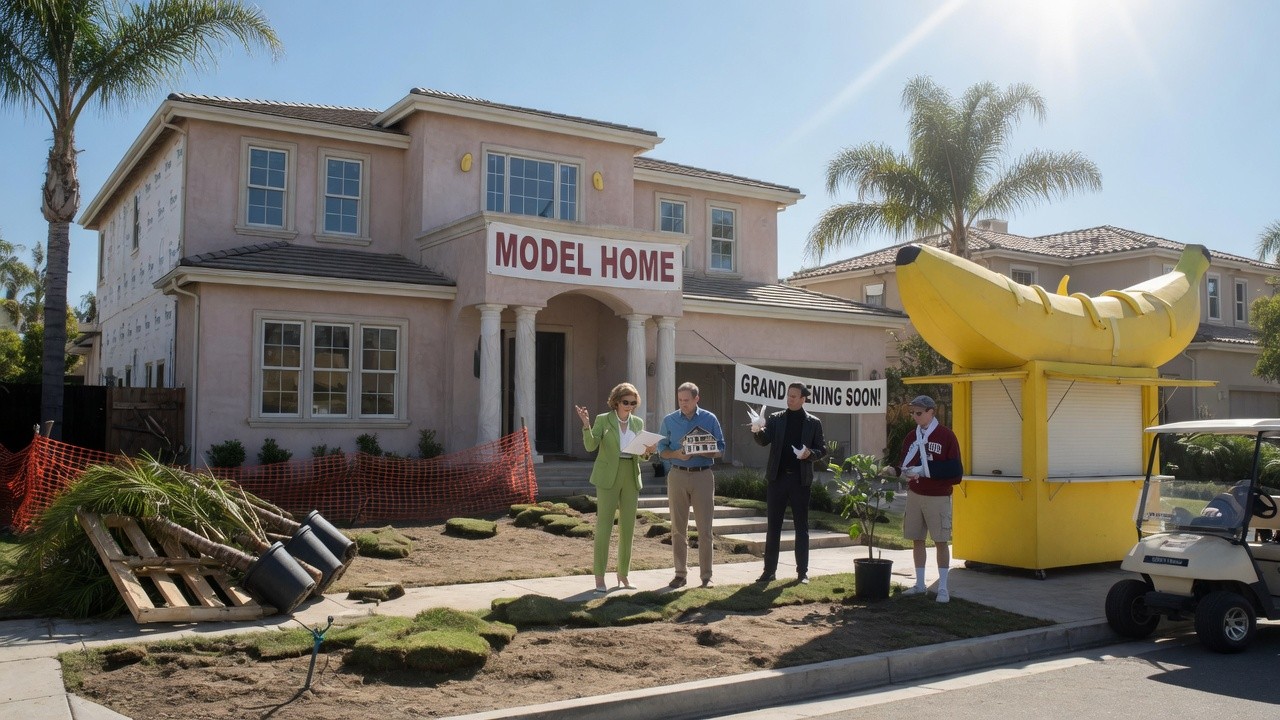
s01e01 is the contract: narrator as device, family as a criminal sitcom, model home as set and thesis. s01e10 (Pier Pressure) is callback density as industrial craft, not a meme kit. s01e22 is a first-season closer that already expects to be studied, the crossword showing its work. Buster is physical panic in those hours. Scene-stealer as architecture.
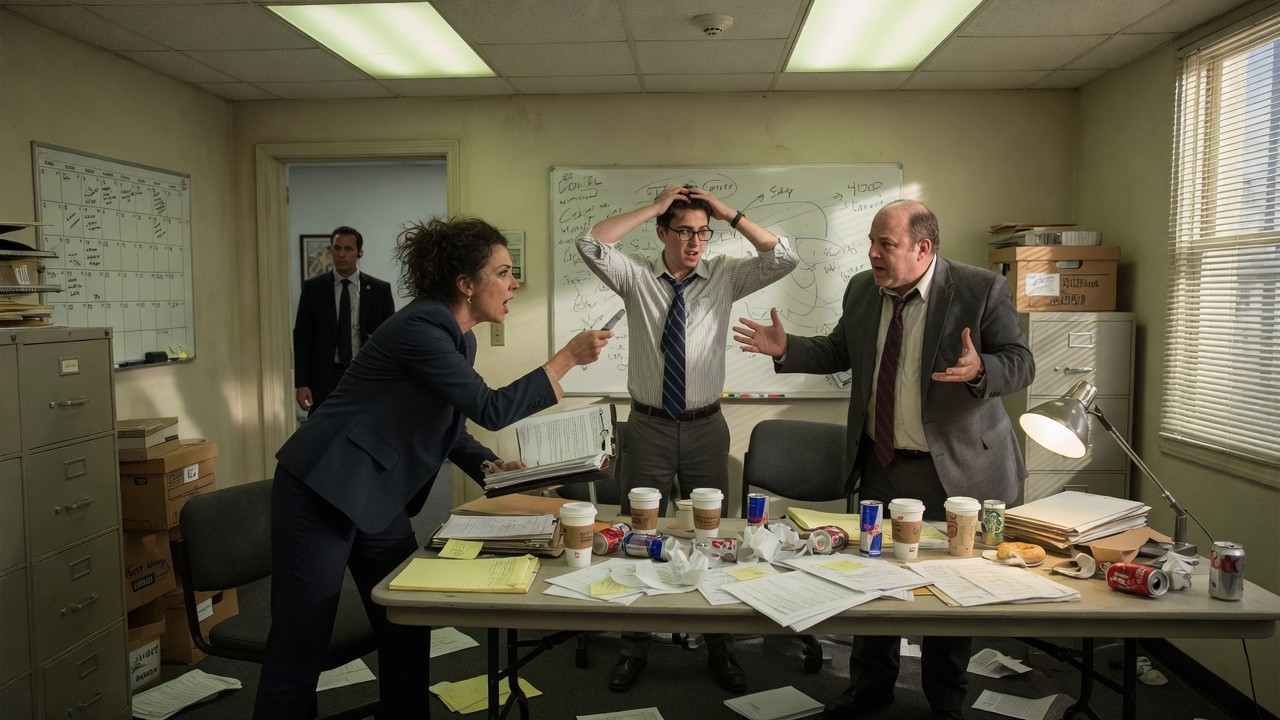
Veep then made him Gary Walsh, Selina Meyer’s human shield in seven seasons of failing upward (HBO, 2012–2019). s01e01 is the job as product launch; s04e05 is convention as inventory crisis; s04e10 is election night as a death vigil. On TV Flash he is the scene-stealer who never looks comfortable — perfectly. We file him across Bluth architecture and D.C. remaindering, same nervous system, two closed arguments.
Start in the model home if you want the crossword; stay for the human shield if you want the grind. He is not a one-note panic. He is why a cult sitcom still photographs as a callback machine, and why humiliation as a release strategy needed a body to hide behind. Two closed files. Same anxiety, different rooms.
FAQ
Where should I start with Tony Hale on Arrested Development?
s01e01 — narrator as device, model home as thesis. Buster is mother issues as physical comedy, the panic that is the punchline. Fox years first; Veep’s Gary is the later human shield.
Lead, supporting, or ensemble?
Ensemble scene-stealer with lead panic. Hale’s Buster is crossword architecture; Gary Walsh is Selina’s shield in Veep. Same nervous system, two closed arguments. Never comfortable — perfectly.
What hour still shows the turn?
Arrested Development s01e10 (Pier Pressure) — callback density as industrial craft. On Veep, s04e10 is election night as a death vigil. Two turns: stair-car panic, remaindered D.C.
On the dial
Shows in our catalog
On the web
External sites for further reading — TV Flash is not affiliated with these networks or studios.
Stay on this channel
More with Tony Hale
- ShowArrested DevelopmentCallback comedy for people who rewatch like it's a job.
- ShowVeepD.C. as a humiliation machine — Julia Louis-Dreyfus at full weaponized competence.
- The Binge BriefThe Callback Was the ArchitectureMitchell Hurwitz’s Bluth saga is a crossword that learned to be a sitcom — Fox cult, Netflix revival, and a finale that is not the 2006 cancellation.
- Streaming ConfidentialHumiliation as a Release StrategyHBO dropped a vice president into a weekly grind and watched insult comedy outlast election cycles — Julia Louis-Dreyfus as a chart that never stops punishing the lead.
← All actors · All shows · Networks · Studios