The last cut still matters more than the renewal rumor. A limited series that truly ends — theme resolved, formal design completed, performances allowed a final note — remains one of television’s highest crafts. A limited series that blinks, leaving villain teases and sequel doors propped open with awards-category lipstick, is a different object. Both can be entertaining. Only one deserves the word complete. The tabloids will say the finale broke the internet; the cut says whether the finale kept the show’s own promises.
What does a real limited ending do?
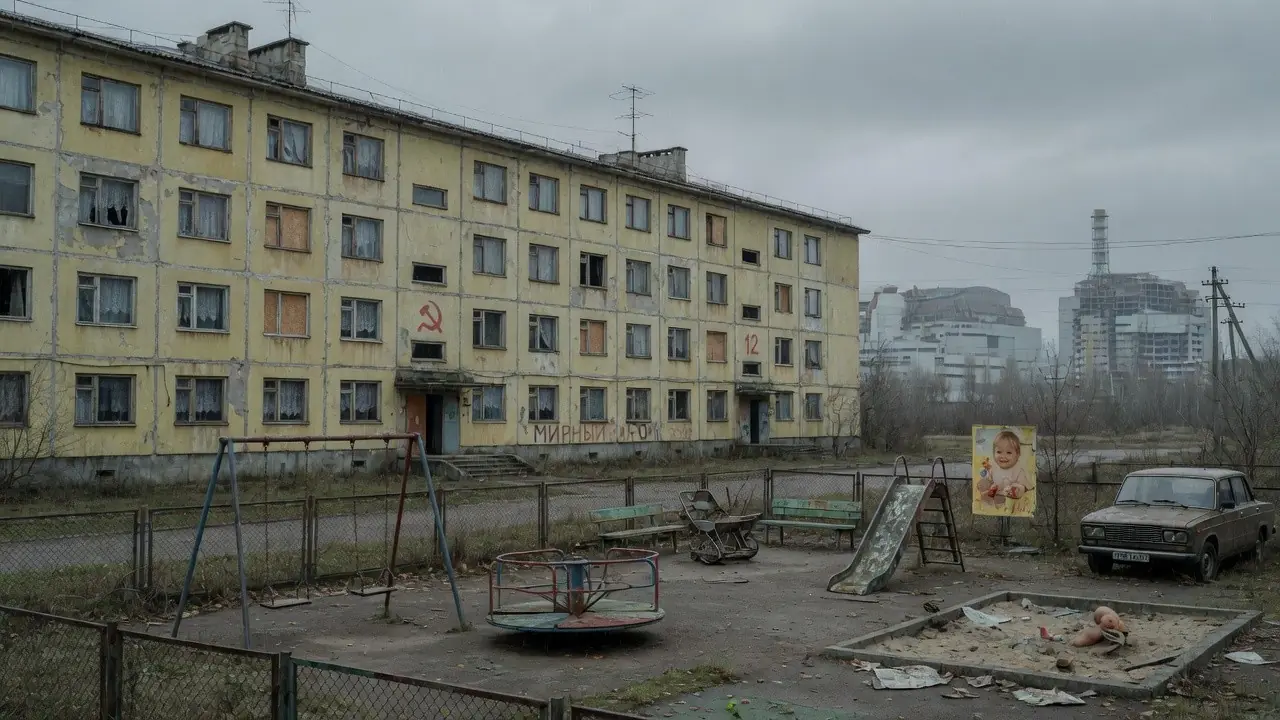
It closes the argument the season was making. Not every plot thread needs a bow; every thematic wager does. Chernobyl did not require a post-credits bureaucracy spinoff to finish its case about lies, cost, and institutional cowardice. The form was the thesis: a short, brutal arc with the courage to stop when the moral math was done. Fleabag’s direct-address farewell and The Queen’s Gambit’s final competitive breath work the same way for different genres — they complete a design, not a franchise roadmap.
Craft markers of an ending that means it:
- Formal symmetry — images, motifs, or structural rhymes that pay the pilot without fan service.
- Performance landing — actors play an end state, not a holding pattern for season two.
- Moral or emotional remainder — something unresolved in life, resolved enough in art.
- Refusal of the sequel tease as climax — tension comes from meaning, not from a trailer bait cut.
People who treat television purely as a crime blotter miss that endings are where literature with better lighting either earns the metaphor or reveals it was branding. Gossip about who wanted a sequel is context. It should not own the lede when the question is whether episode six knew it was episode six.
Why do so many “limited” finales hedge?
Industry, not muse. The limited label can be a creative covenant or a cost-control posture with Emmy-category benefits. When the posture wins, the finale is written like a pilot for a show that pretends it already ended. Open mythology, late-introduced antagonists, a final shot that is pure continue? energy. Audiences are not foolish for wanting more of what they loved. Artists are not sellouts for leaving a door unlocked. Critics are allowed to say the unlock changed the genre of the object in hand.
Streaming’s abundance model rewards extension. A closed story is harder to feed the machine. That does not make extension immoral; it makes honesty rare. When a “complete story” returns eighteen months later, the first ending must be re-evaluated as provisional. Sometimes the second chapter justifies the cheat. Sometimes it proves the first ending was the true one and the return was inventory. The work decides. The press release does not.
I will grant the other desks their fireworks: contract fights, chart burial, stan armies camping the Emmy categories. They illuminate power. They are footnotes when a limited series is arguing with itself about grief, justice, ambition, or love — and they become the whole book only when the finale had nothing left to say but see you in the brand extension.
How should you watch a limited finale in good faith?
Assume the artists meant the ending they shot — then test that assumption against structure. Ask what question the pilot posed and whether the finale answers it in kind. Compare the last ten minutes to the first ten: not plot symmetry alone, but ethical temperature. A great limited ending often feels inevitable in retrospect and surprising in the moment. A hedged ending feels like a meeting won by marketing.
Verdict: limited series endings that actually end still beat soft-finale franchises on the long memory of craft. Infinite inventory will keep blinking. The critic’s job is to notice when a show had the nerve to stop — and when “the end” was only a costume for a season break. That the sequel rumor often outlives the final image is, unfortunately, also part of television history. Put the work first anyway.
FAQ
What makes a limited series ending successful?
A successful limited ending completes the season’s central dramatic and thematic argument, gives performances a true final state, and does not rely on sequel teases as its primary climax — even if some life-like ambiguity remains.
Why do some limited series continue after a “finale”?
Creative appetite, audience demand, and platform economics all play roles. The limited label can be artistic or strategic; continuation later often reveals which one dominated the original marketing.
Is a sequel always a betrayal of a limited series?
No. A sequel can deepen a world honestly. It does, however, reclassify the original ending as provisional, and that reclassification should factor into any critical judgment of the first finale’s design.