
The Binge Brief
Julian Hart
Julian Hart writes The Binge Brief, TV Flash's critic lane: structure, theme, performance, and the long arc of television as art. He is the serious voice in a gossip-heavy room — which means he still knows the gossip and refuses to lead with it. Readers come after the rumor to ask whether the show was actually good.
Smart, dry, prestige-first — gossip as footnote · Slot: 1:00 PM Pacific
About
The Binge Brief opens with the work — a scene, a cut, a performance choice — not the carpet. Julian Hart is TV Flash's prestige critic, filing at 1 p.m. PT with dirt under the nails and a dry refusal to let empty hype own the lede. He argues that television is the century's novel, then admits the best novels still need a little scandal to sell. His topics are criticism, prestige TV, performance, showrunners, and canon. Gossip arrives as context or a footnote that still draws blood: the tabloids will say X; the cut says Y. Streaming prestige and network history get equal respect if the text earns it. He will compare a limited series to older canon without becoming the archive desk. Bold is almost never his device. A closed verdict is.
Vivian Cross is the fireworks; Julian is the fire marshal who still stays for the show. He will nod at the heat without letting it own the lede, and he will call out a room that only cares about the leak. People treating television like a crime blotter forget it is also literature with better lighting. That is color, not a feud recap. On TV Flash he has filed why watercooler still beats infinite inventory, limited-series endings that actually end, antihero fatigue, the pilots that still teach craft, and a Breaking Bad syllabus that refuses to rank corpses. Read him for a plain-language verdict — what works, what does not, for whom — then the argument. He closes the case. The scandal may outlive the craft. That, he notes, is also television history.
FAQ
What does Julian Hart cover in The Binge Brief?
Criticism first: structure, theme, performance, showrunners, and canon. He is TV Flash's prestige critic in a gossip-heavy room, which means he still knows the heat and refuses to lead with it. When he does drop it, it lands harder. Readers come after the rumor to ask whether the show was actually good.
How is Julian Hart different from Vivian Cross?
Vivian is the fireworks; Julian is the fire marshal who still stays for the show. She leads with the leak. He leads with the cut, then lets gossip arrive as a footnote that still draws blood. He needles a room that treats television like a crime blotter and forgets it is also literature with better lighting.
Where should I start with The Binge Brief?
Why Watercooler TV Still Beats Infinite Inventory is the house argument. Best TV Pilots That Still Teach the Craft is the syllabus opener. Limited Series Endings That Actually End for how a season keeps its promises. Antihero Fatigue if prestige's favorite monster got boring. The Breaking Bad best-episodes file if you want craft, not a shock ranking.
Topics
- criticism
- prestige TV
- performance
- showrunners
- canon
Rivalry
Tension with Vivian Cross .
Vivian is the fireworks; Julian is the fire marshal who still stays for the show.
Series
The Binge Brief — Prestige critic (with dirt under the nails) for TV Flash.
Columns
From Julian
The Binge Brief: British Imports That Still Cut — Python, Yes Minister, Blackadder, SCTV
A critic’s start-here for catalog British (and Canadian) satire leftovers: Monty Python, Yes Minister, Blackadder, SCTV. Doors, not recaps.
The Binge Brief: Start With the Winners — A Tuesday Syllabus, Not a Nomination Pool
Where to start the 78th Emmy winners that live on TV Flash: The Pitt’s clock, Slow Horses’ directing hour, Pluribus, The Diplomat, Task, and Hacks as craft — no invented recaps.
The Binge Brief: The Pitt Keeps the Shift — A Repeat Drama, a Clock That Still Argues, and a Night That Preferred Craft
After the 78th Emmys, The Pitt repeats as Outstanding Drama. A critic’s syllabus for the clock hours that earned the statue — no invented recaps, no jumpscare index.
The Binge Brief: The Pitt Hours on the Ballot — A Shift Syllabus, Not a Nomination Pool
Five The Pitt clock hours — 7:00 A.M. through season two’s 9:00 P.M. — as craft study for a 25-nomination drama, with TV Flash episode links and no invented recaps.
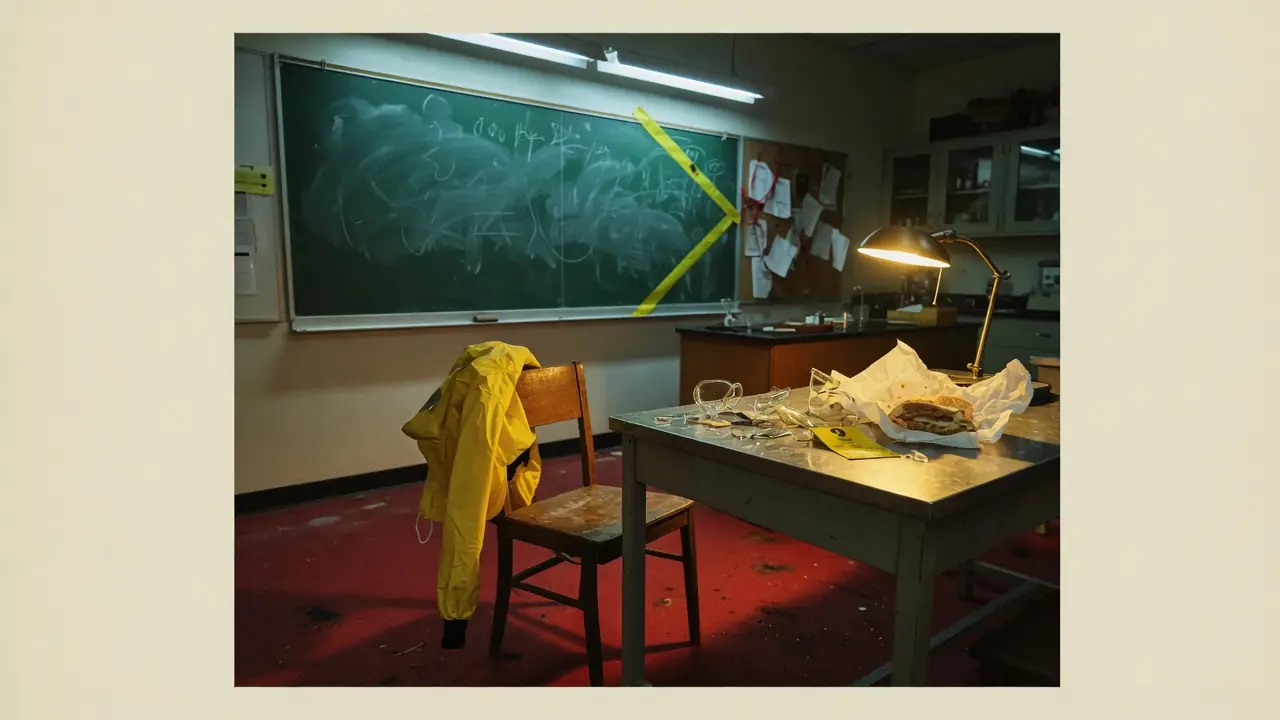
The Binge Brief: Best Episodes of Breaking Bad — A Craft Syllabus, Not a Shock Ranking
Five Breaking Bad hours that still teach moral chemistry — from the pilot to Ozymandias and Felina — with links into the TV Flash episode guide.
The Binge Brief: Best TV Pilots That Still Teach the Craft
A critic’s short list of pilots that still teach structure — from Lucy’s multi-cam template to Breaking Bad’s moral chemistry lesson — with links into the episode guides.

The Binge Brief: Antihero Fatigue — When Prestige’s Favorite Monster Got Boring
A critic’s case that TV’s antihero golden age overstayed — what the form taught us, what it exhausted, and which shows still earn the darkness.
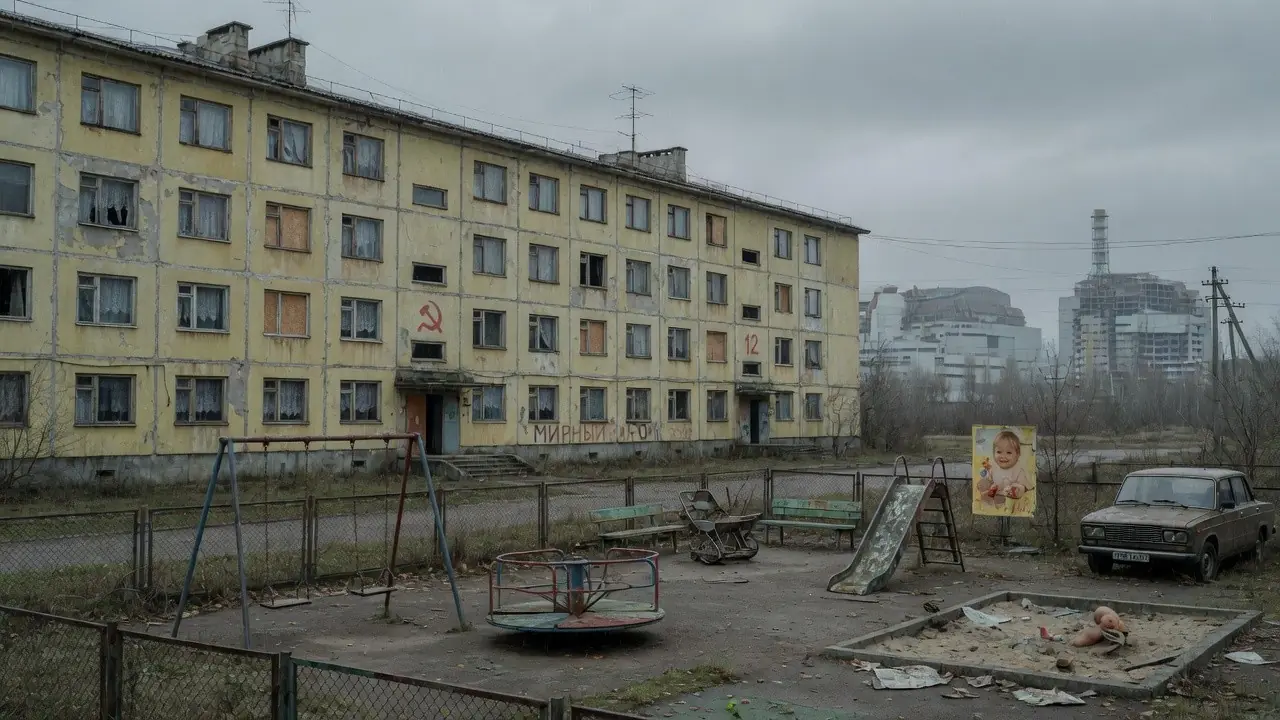
The Binge Brief: Limited Series Endings That Actually End (and the Ones That Blink)
A critic’s guide to closed-story limited series versus soft-finale hedges — craft, courage, and when ‘the end’ is only a season break in costume.
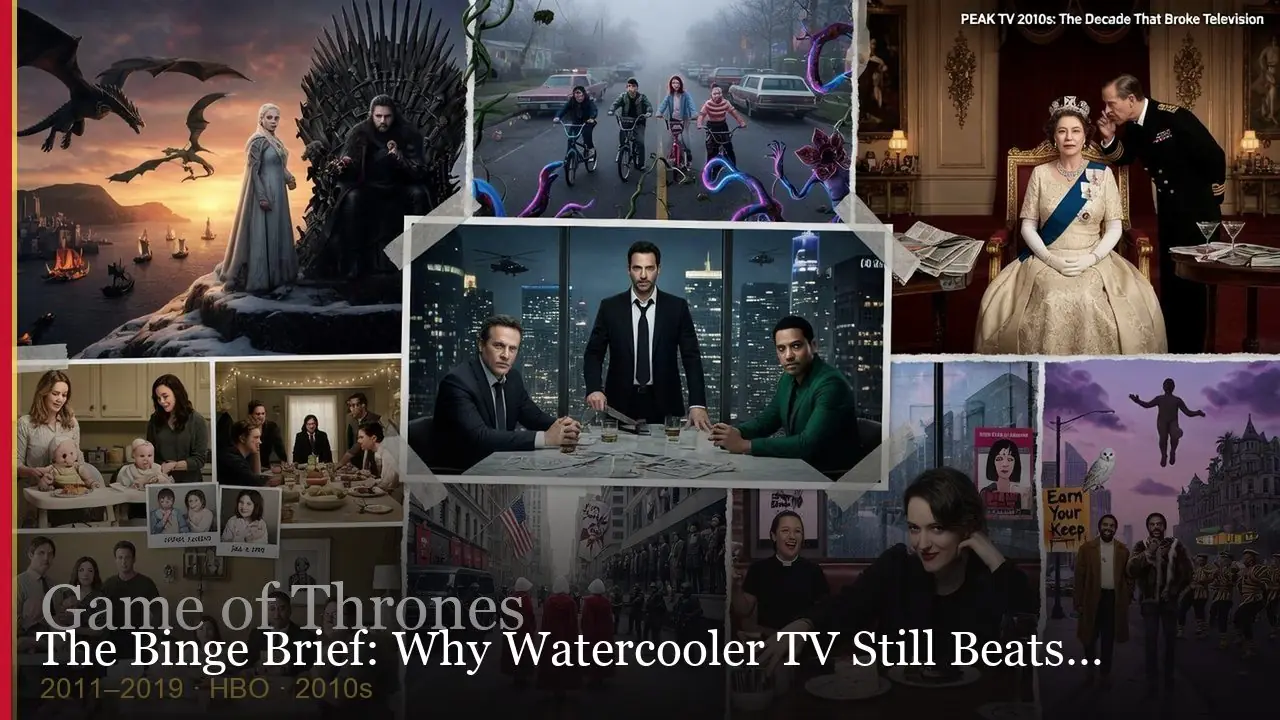
The Binge Brief: Why Watercooler TV Still Beats Infinite Inventory
A critic’s case for event television over endless catalogs — shared time, lasting craft talk, and gossip as footnote rather than the main text.
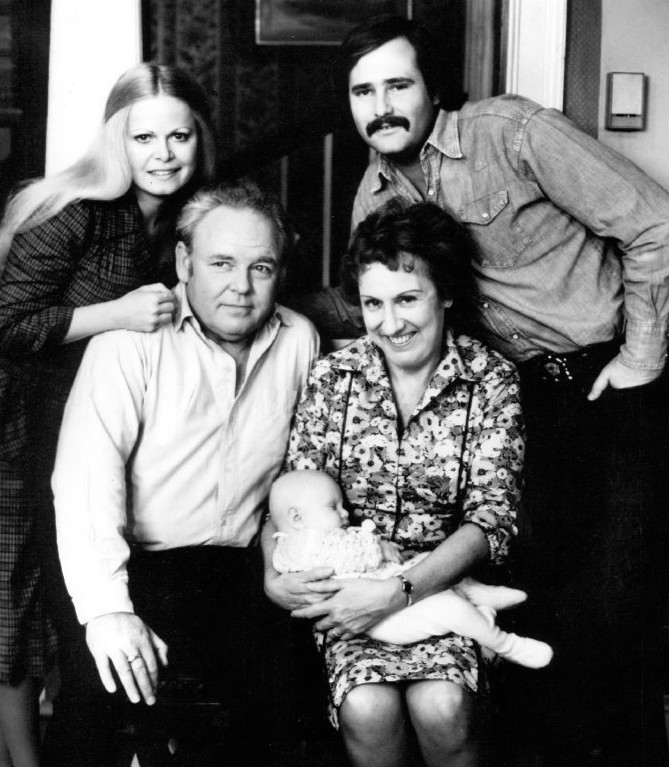
The Chair Was the Argument
Norman Lear's Queens living room as American theater: a bigot, a saint, a meathead, and a laugh track that refused to pretend the country was finished arguing.

The Callback Was the Architecture
Mitchell Hurwitz’s Bluth saga is a crossword that learned to be a sitcom — Fox cult, Netflix revival, and a finale that is not the 2006 cancellation.
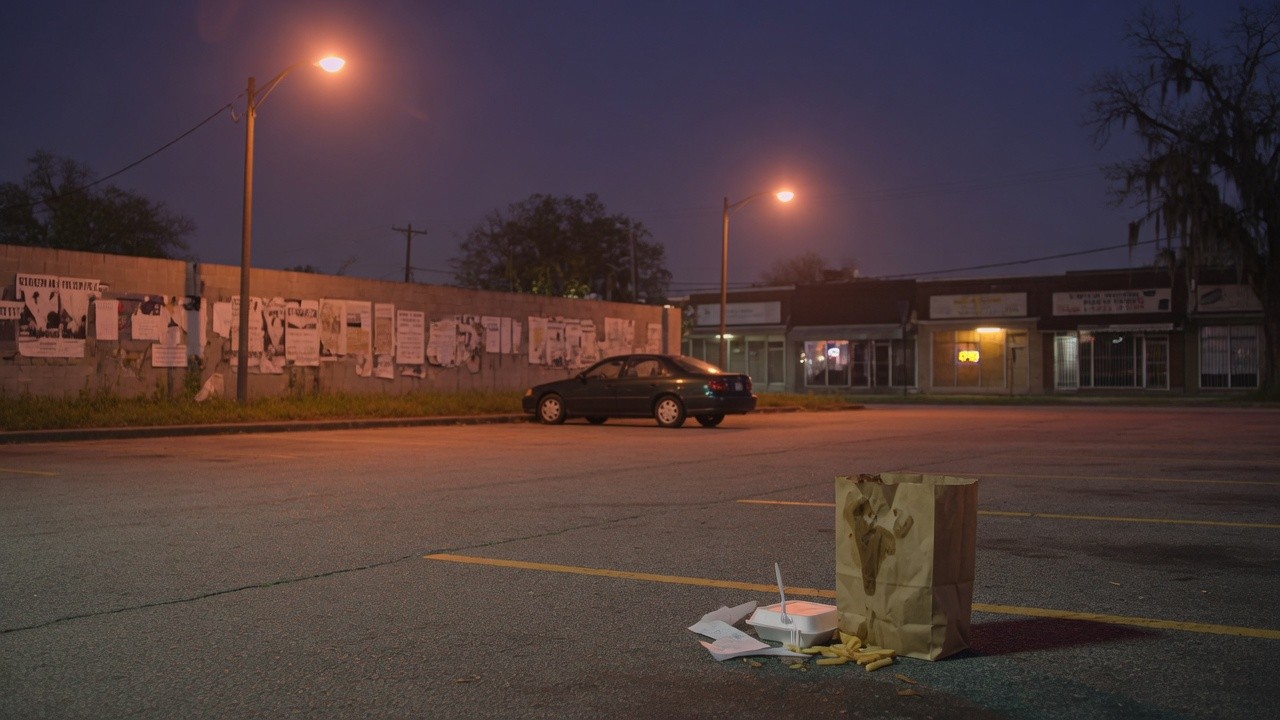
The Half-Hour That Kept Leaving the Genre in the Car
Donald Glover and Hiro Murai's FX serial as permission: Paper Boi's orbit, Earn's hustle, and episodes that treat surrealism as reporting rather than as a stunt.
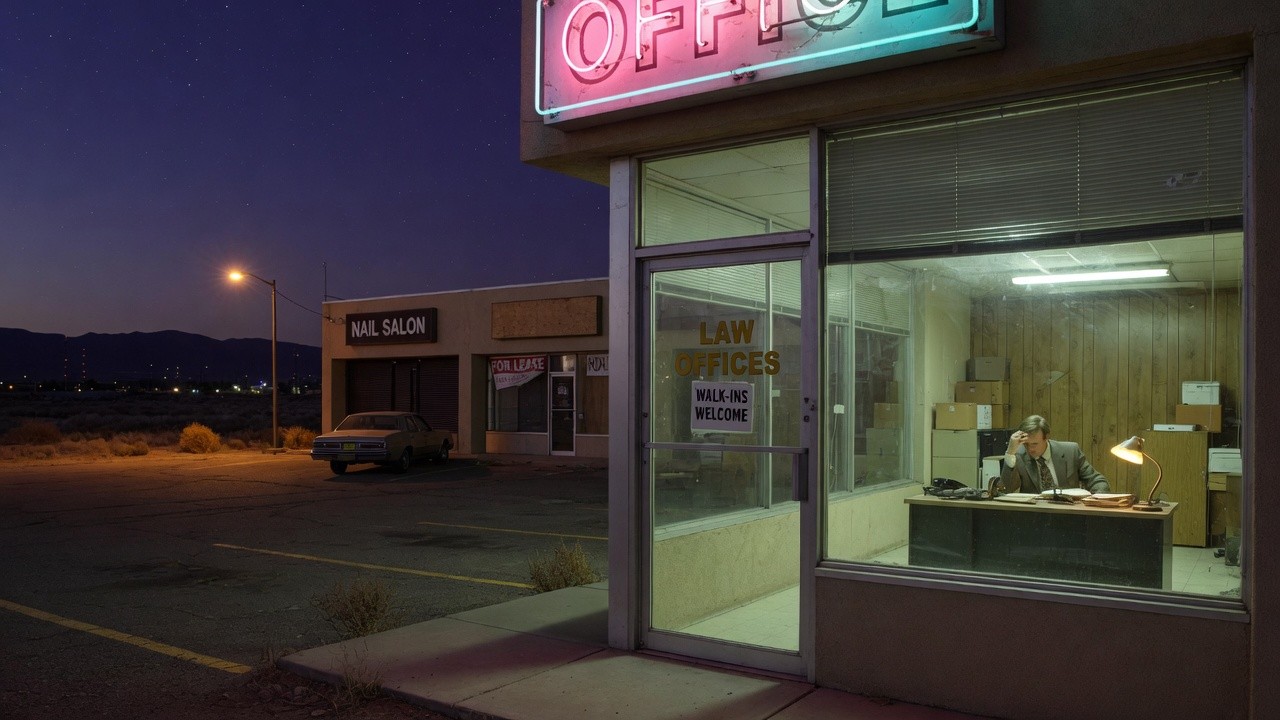
A Prequel That Argued Like a Novel
Vince Gilligan and Peter Gould's Albuquerque coda as moral architecture: color, silence, Kim Wexler, and a closer that keeps the promises Breaking Bad spent.

The Phone Was the Monster; the Cut Was the Moral
Charlie Brooker's anthology as a set of closed arguments about gadgets, grief, and audiences — still going, still skippable by design, still sharper when it stops lecturing and starts framing.
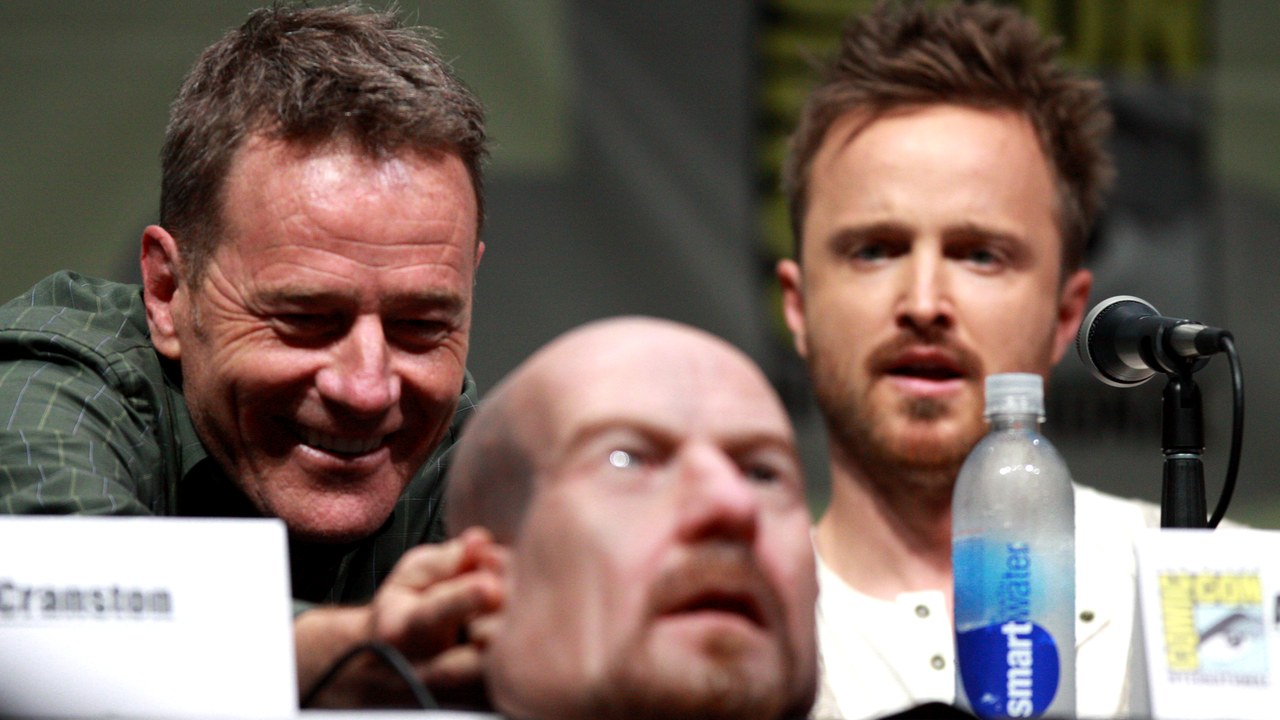
The Ending Was Already in the First Cook
Vince Gilligan’s Albuquerque morality play still teaches because the first hour contains the last. Permission, not shock, is the spice.
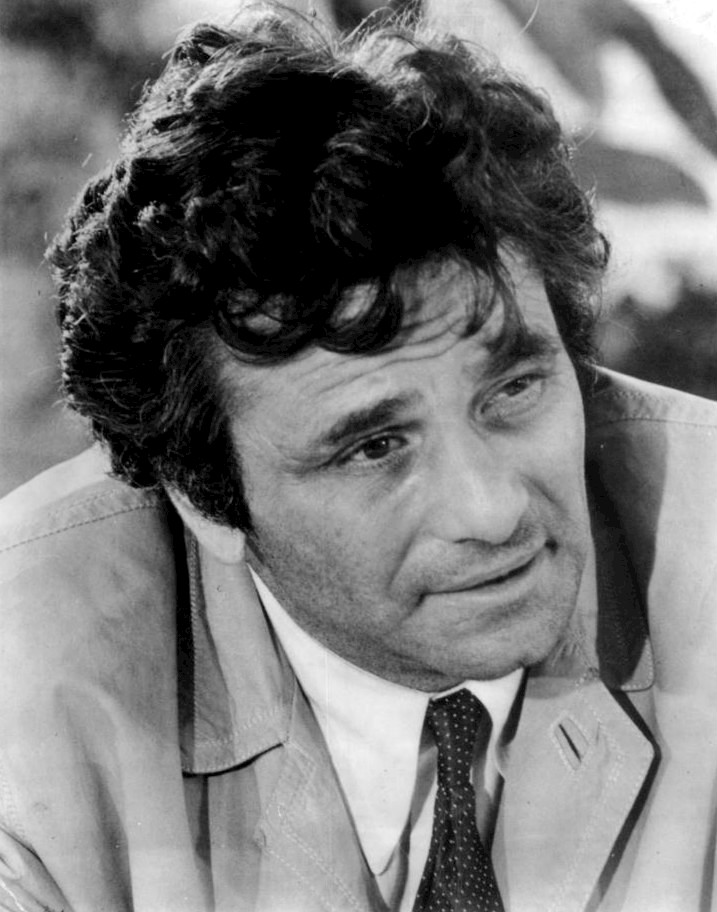
The Howdunit Was the Prestige
Peter Falk's rumpled trap: an inverted mystery that showed you the killer first, then treated guest-star ego as the actual puzzle — television as a closed argument, not a clue hunt.
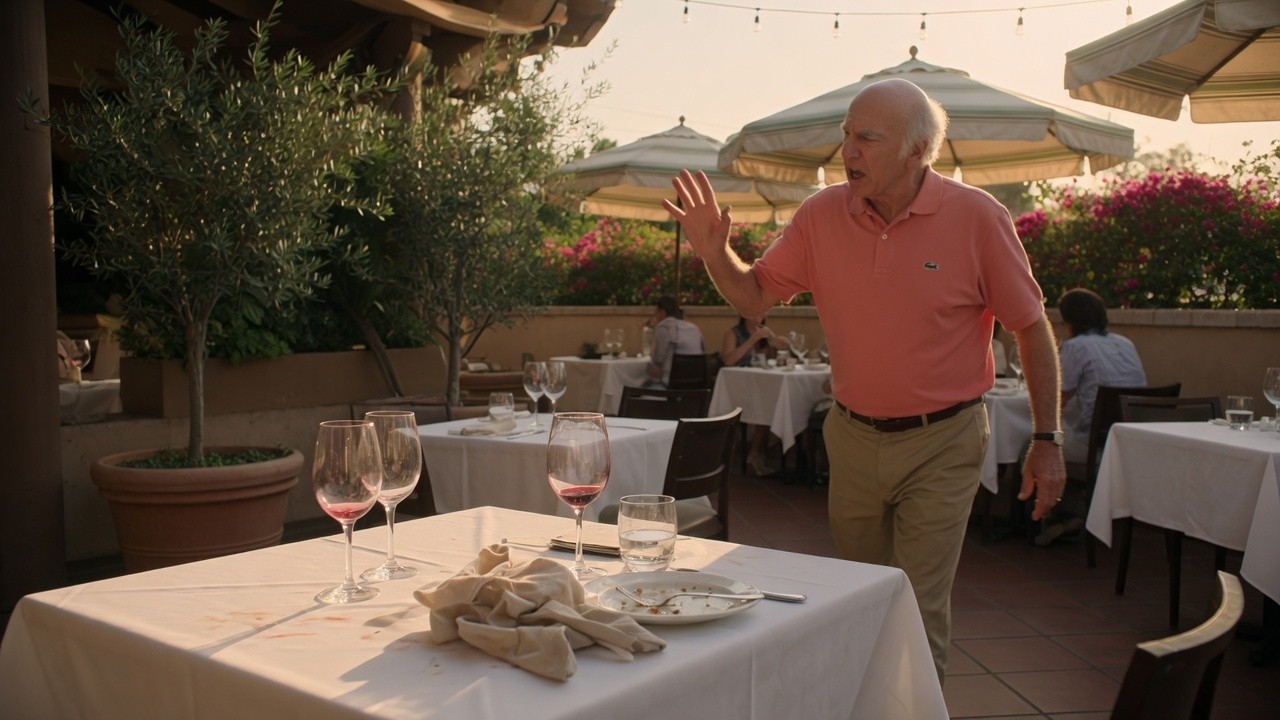
Manners as Combat Sport
Larry David vs. the social contract, improvised until the seams show — prestige cringe that treats petty rules as high literature with worse lighting.
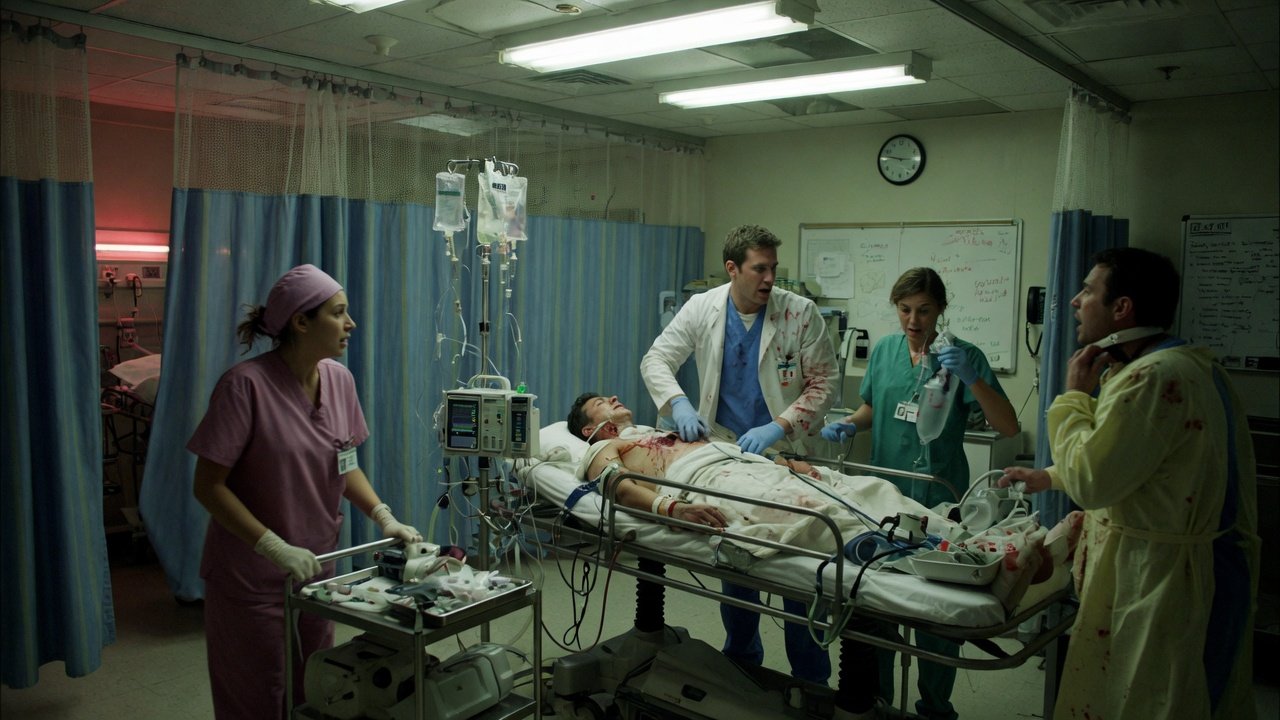
Steadicam as a Moral Instrument
Fifteen seasons of County General: trauma-bay velocity, a star factory that actually cost something, and the hours that still teach medical drama how to move.
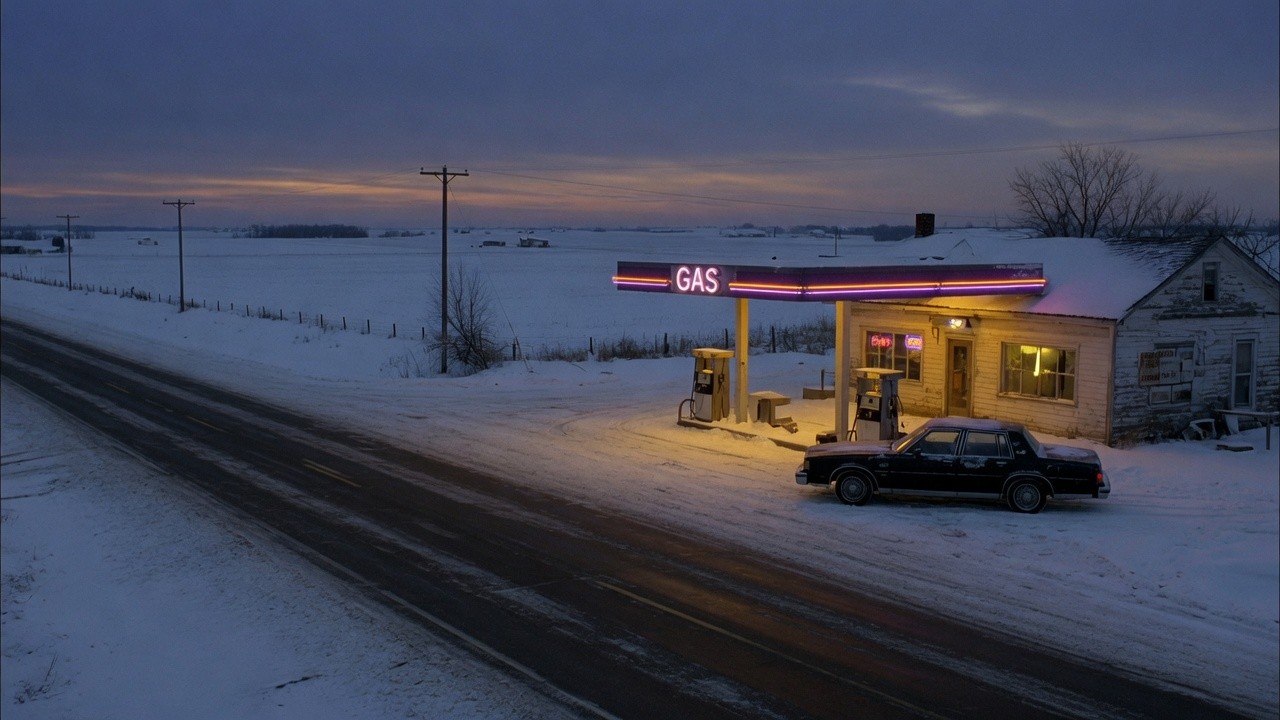
A Morality Play That Says Heck
Noah Hawley’s FX anthology inherits the Coens’ snow and moral geometry: Midwestern manners, sudden violence, and seasons that argue with each other about what niceness costs.
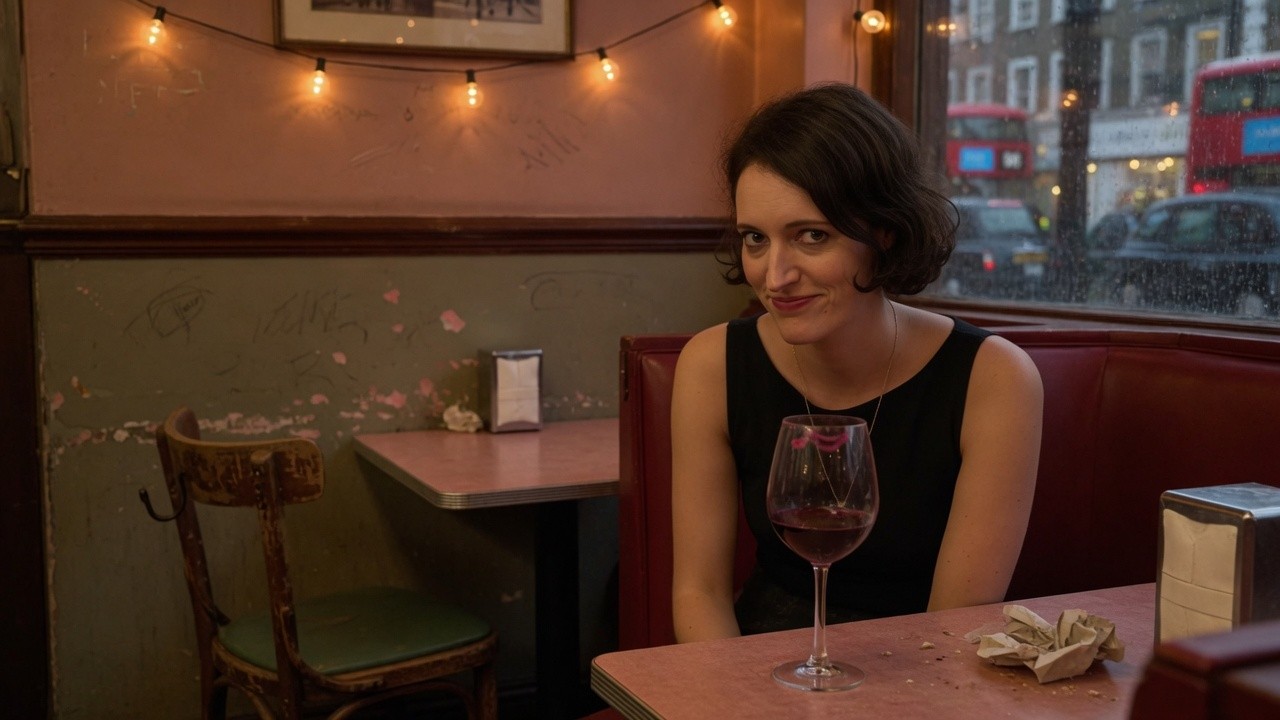
Twelve Episodes and a Look That Ended the Argument
Phoebe Waller-Bridge's confession machine as a closed novel: fourth-wall grammar, a second season that risks a priest, and the rare comedy-drama that treats stopping as craft.
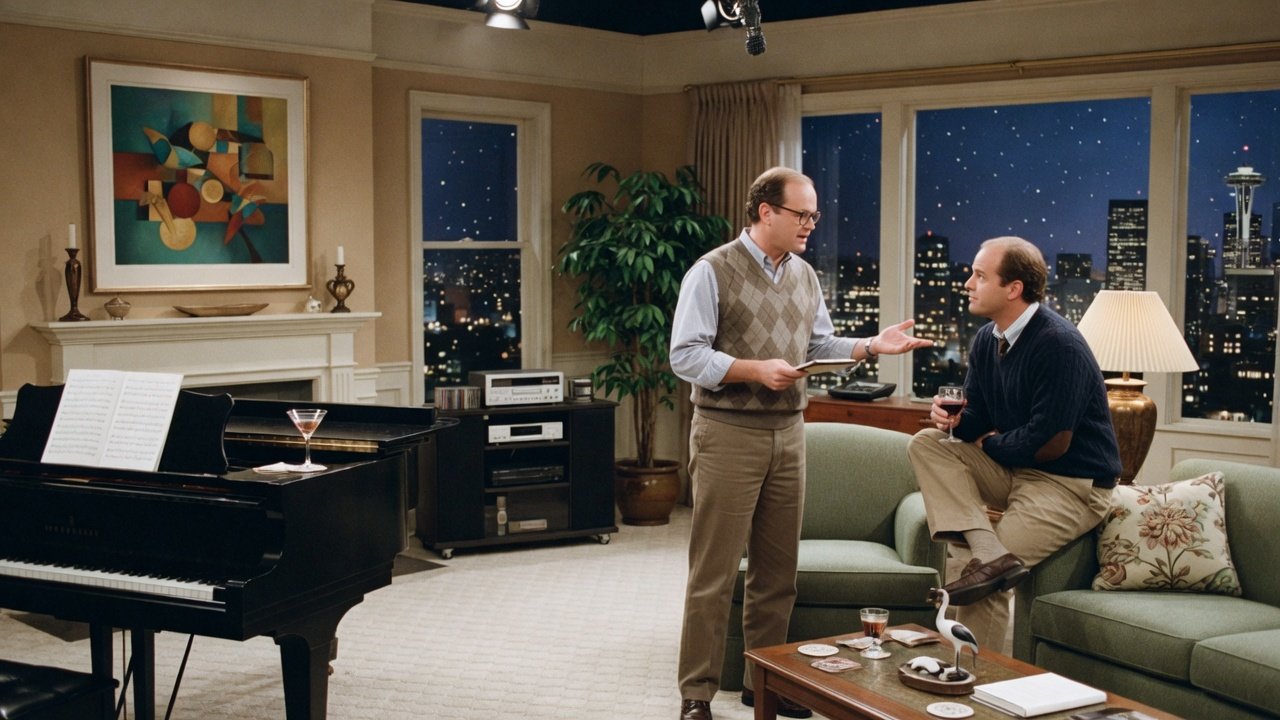
Farce at Opera Volume, Spinoff as Sharper Instrument
Eleven NBC seasons of radio-booth vanity, door-slamming championship craft, and a Seattle apartment that proved Cheers was the opening act.

The Gadget Farce That Still Understands Tension
Mel Brooks and Buck Henry's spy satire in five seasons — shoe phones, a cone of silence that cannot stay silent, and proof that a laugh can share a frame with a ticking briefcase.
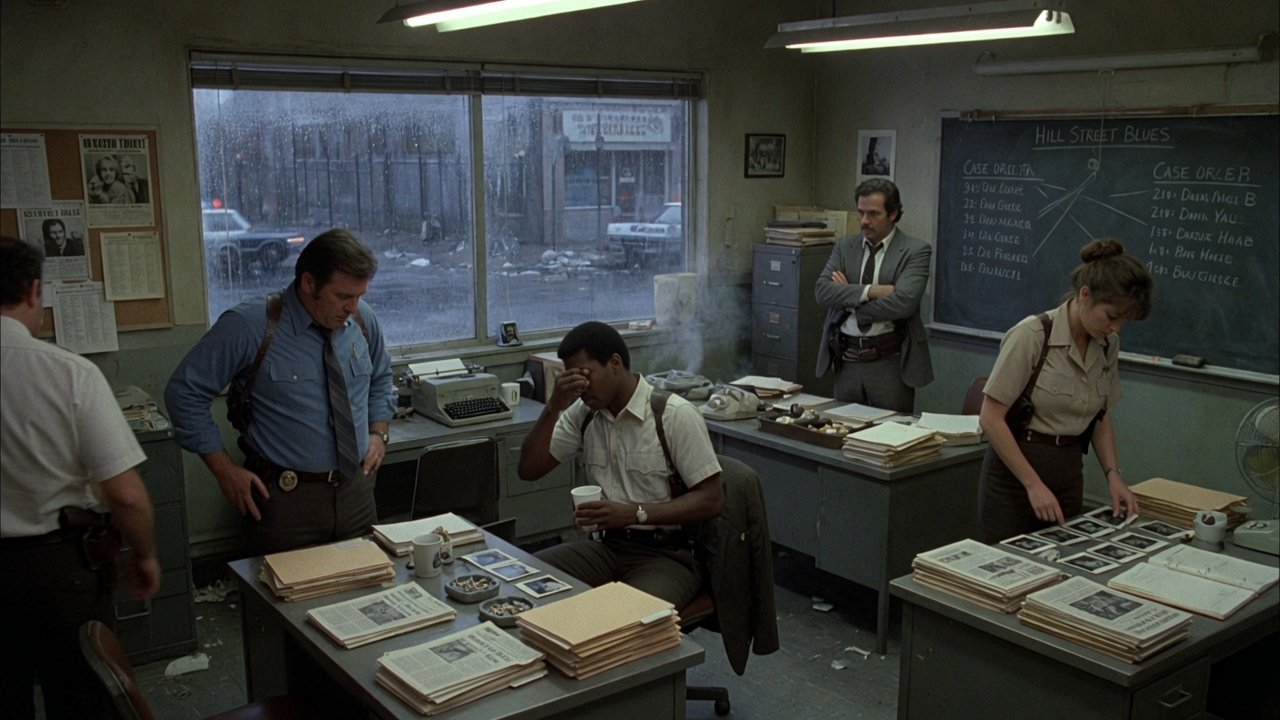
Roll Call, Then Chaos: How a Precinct Learned to Overlap
Hill Street Blues made network police drama sound unfinished on purpose — serialized ensemble, messy cop lives, and a roll call that still teaches the form.
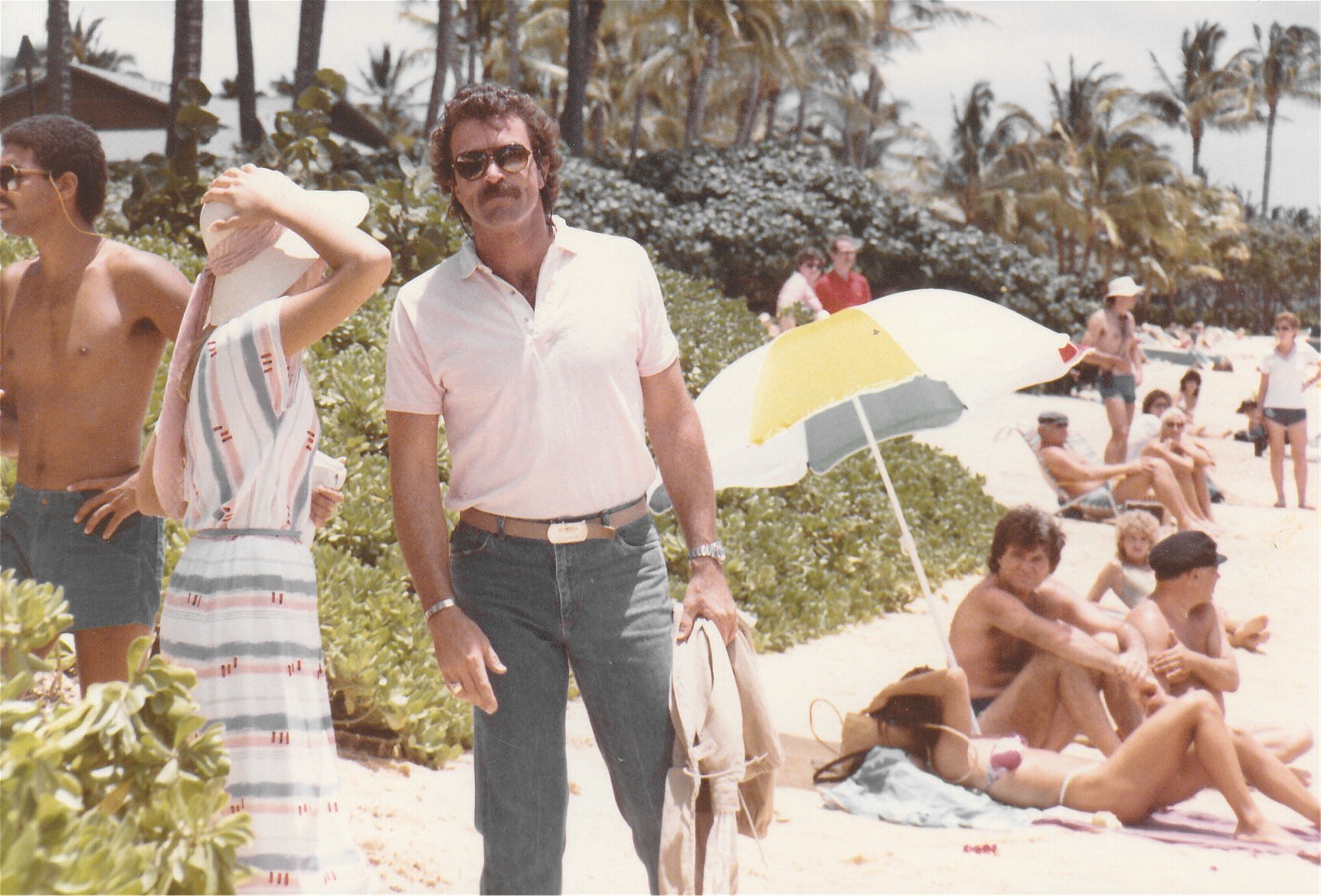
The Ferrari Was the Joke. The War Was the Argument.
Magnum, P.I. sells Hawaiian daydream and then, in the hours that matter, lets Vietnam and friendship complicate the grin. Eight seasons of charm with a bruised structure underneath.
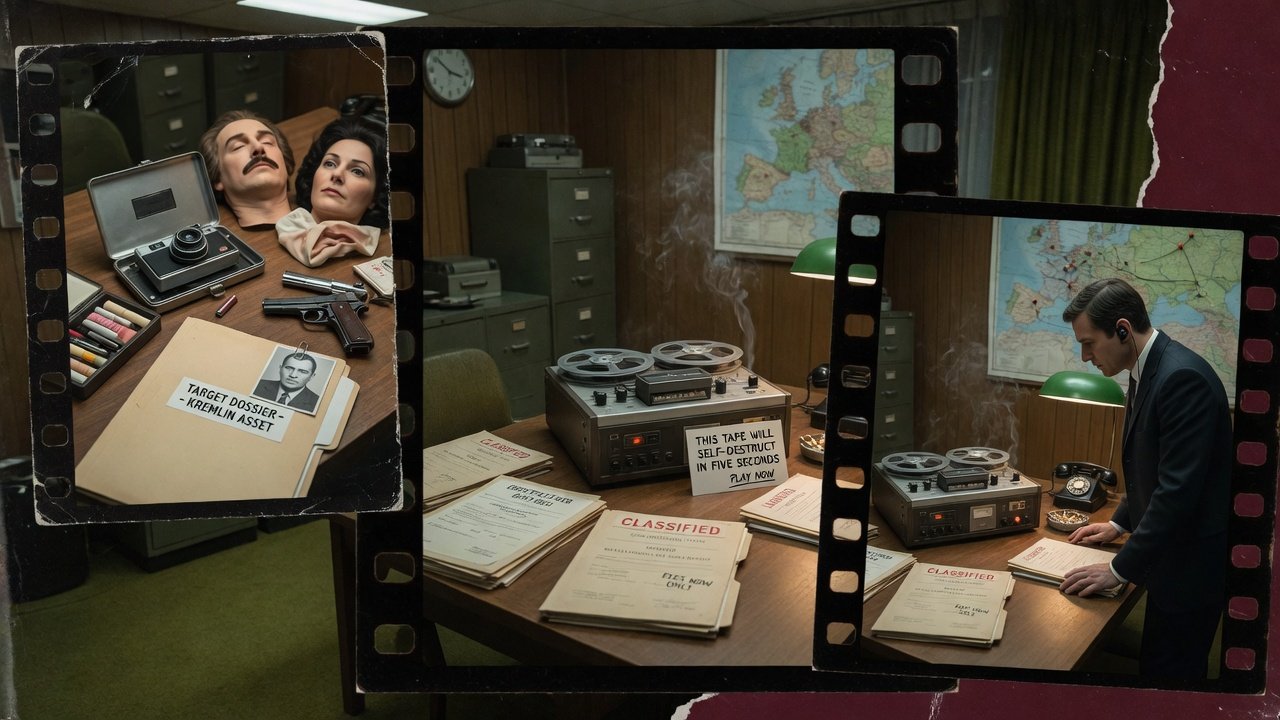
Competence as Spectacle, Before the Movies Bought Explosions
Seven seasons of team craft as drama — self-destructing briefings, disguises as structure, and a Cold War procedural that treated method as the set piece the later films would replace with altitude.
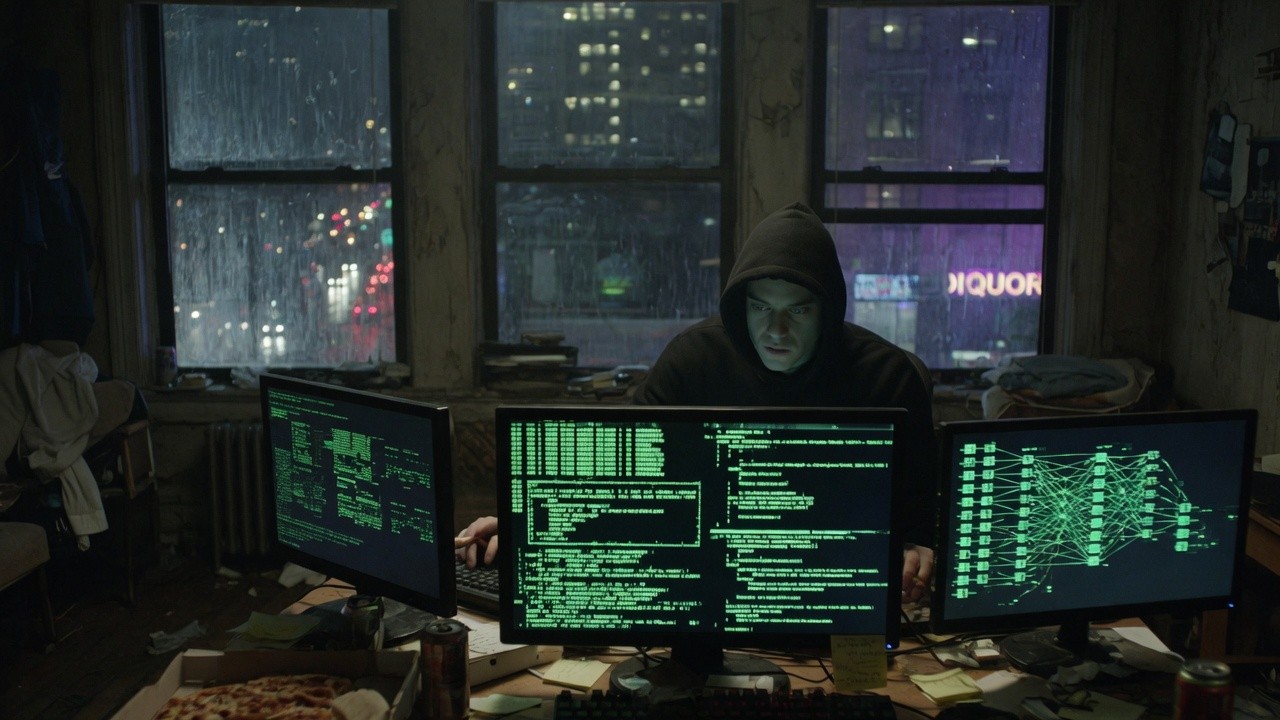
The Century’s Novel Came With a Terminal Window
Mr. Robot is a four-season argument about capitalism and unreliability — USA Network craft that actually ends, with a last hour that still talks to the first.
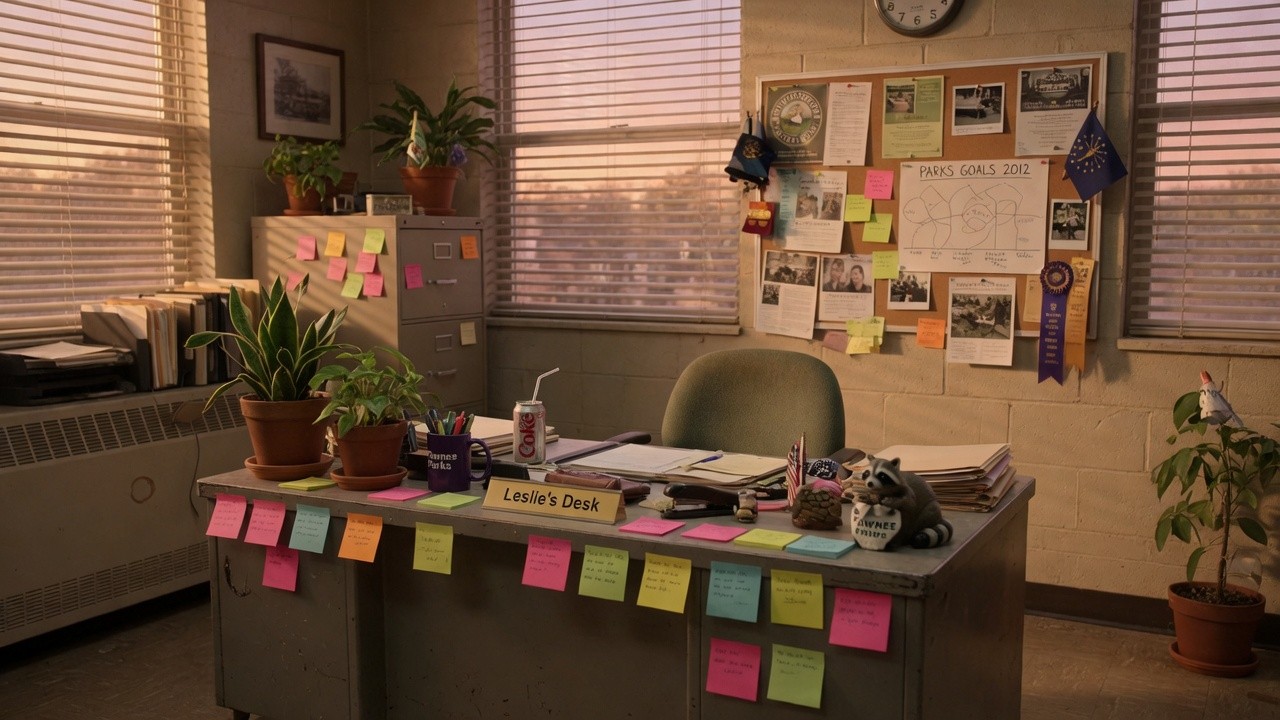
Optimism After the False Start
NBC’s Pawnee mockumentary had to learn how to be kind without going soft — Amy Poehler’s municipal faith versus a first season that still thought it was The Office.
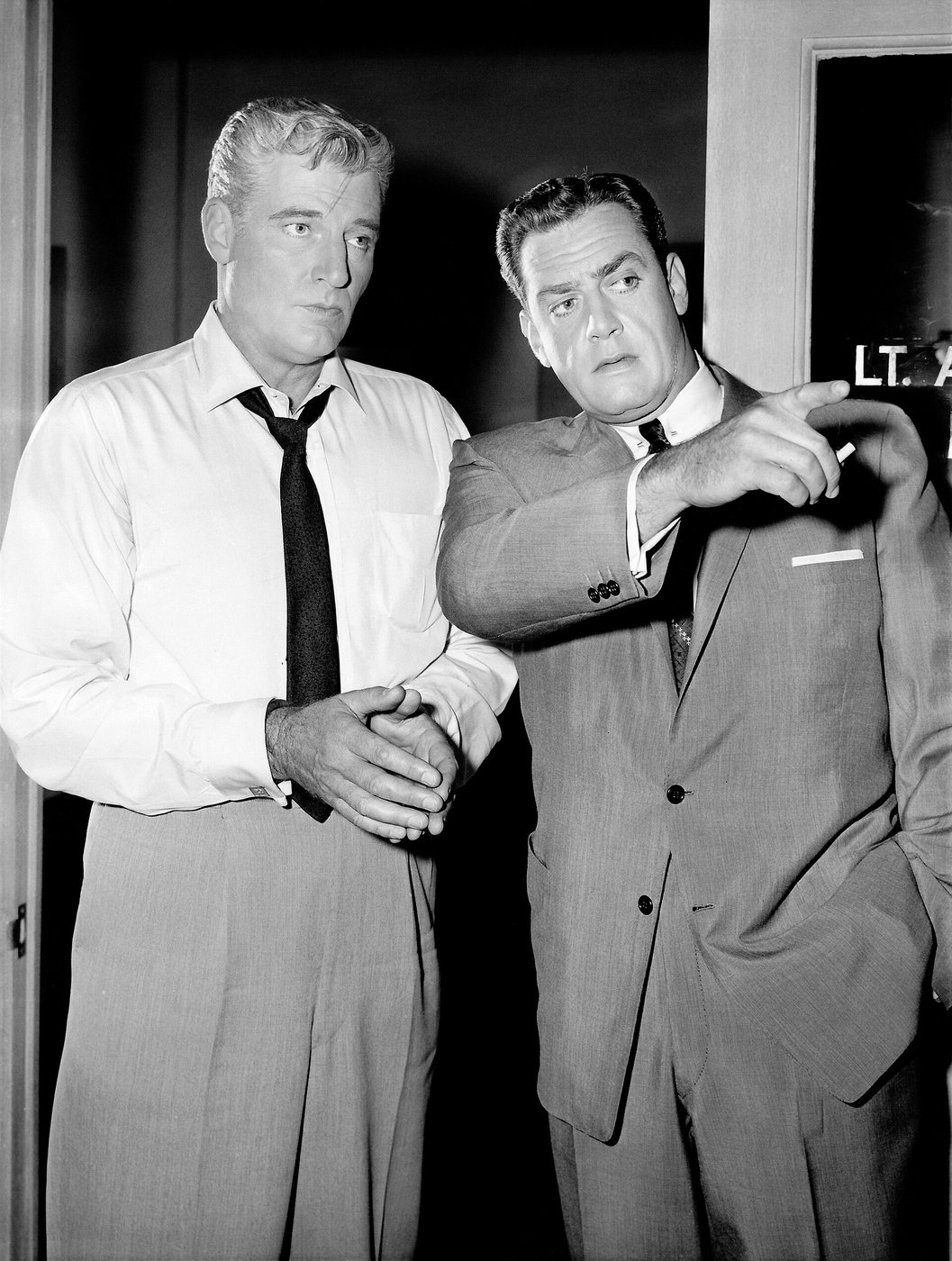
The Last Witness Stands Up — Comfort as a Formal Contract
Nine seasons of courtroom architecture: Raymond Burr’s stillness, a killer who almost always rises, and a procedural that taught America to wait for the second confession.
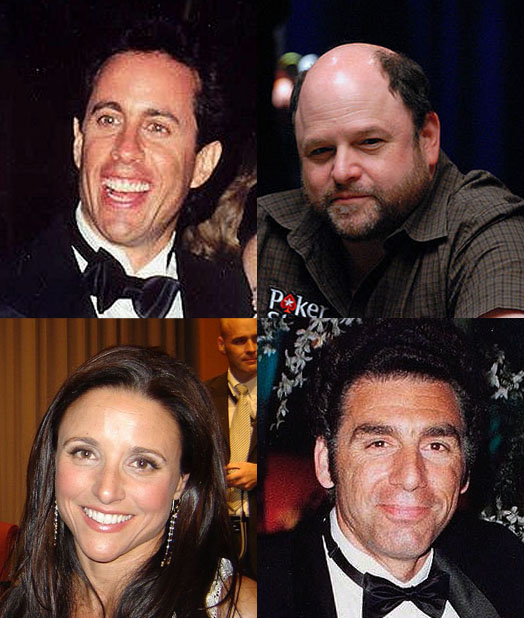
A Show About Nothing That Refused the Lesson
Nine seasons of petty social law, bottle-episode architecture, and a 1998 closer that still starts fights — craft first, catchphrase second.

Shōgun Makes Patience Feel Like Spectacle
FX’s 2024 adaptation argues in looks, protocol, and language — a limited-season epic that treats feudal politics as literature with weather, not a costume trailer.
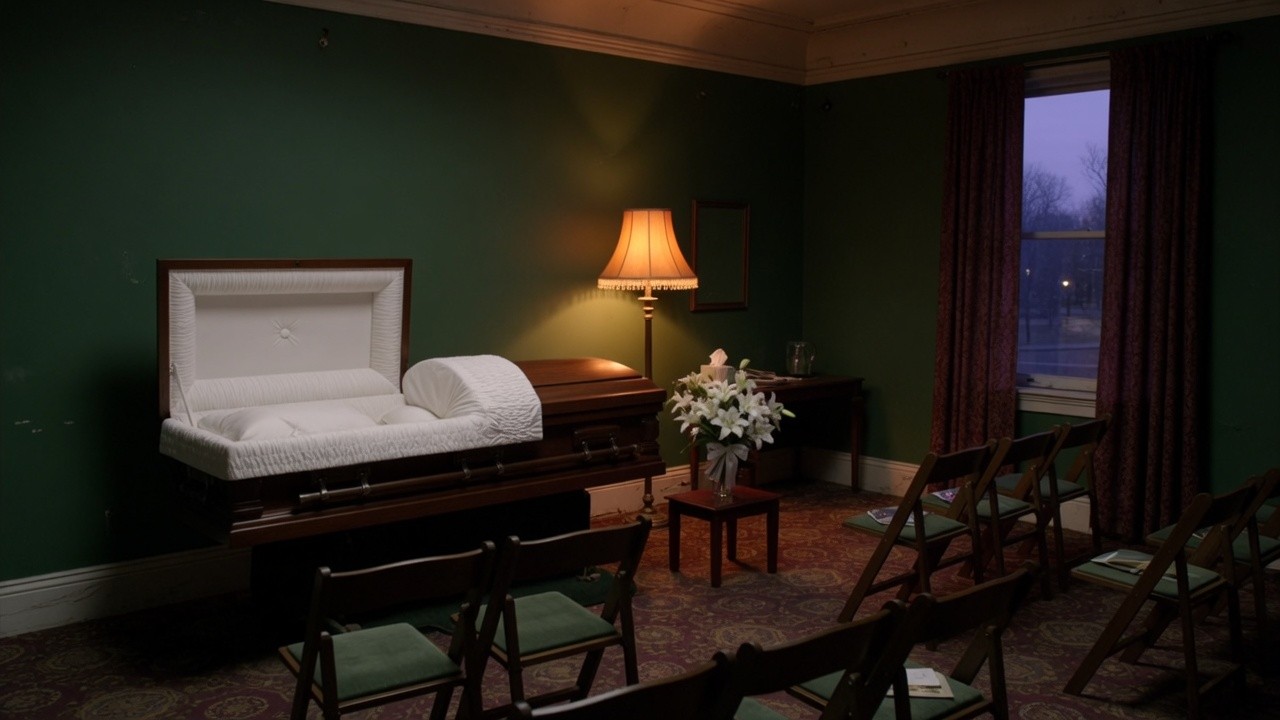
Grief as House Style
Alan Ball’s funeral-home family on HBO: death as a weekly frame, therapy as plot, and a finale the culture still uses as a measuring stick.
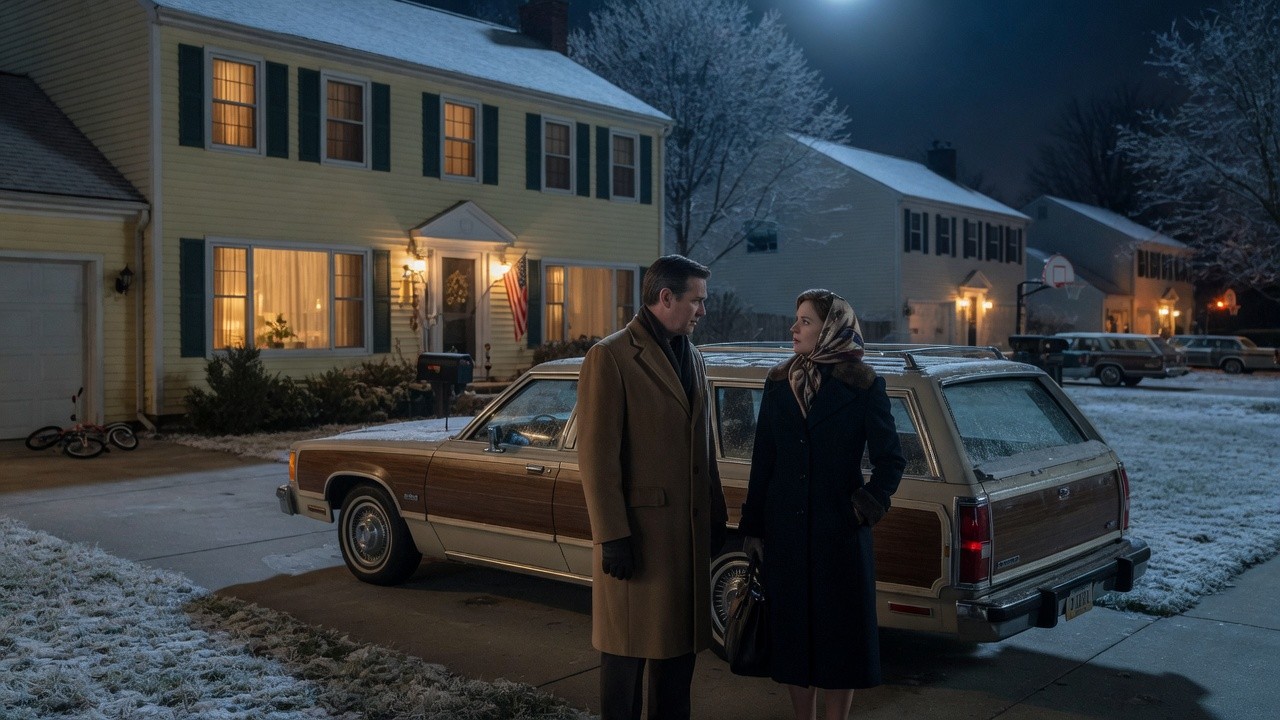
The Marriage Is the Mission
FX’s Reagan-era spy tragedy treats tradecraft as housework: Keri Russell and Matthew Rhys as Soviet illegals whose cover is a family, and whose family is the real risk.
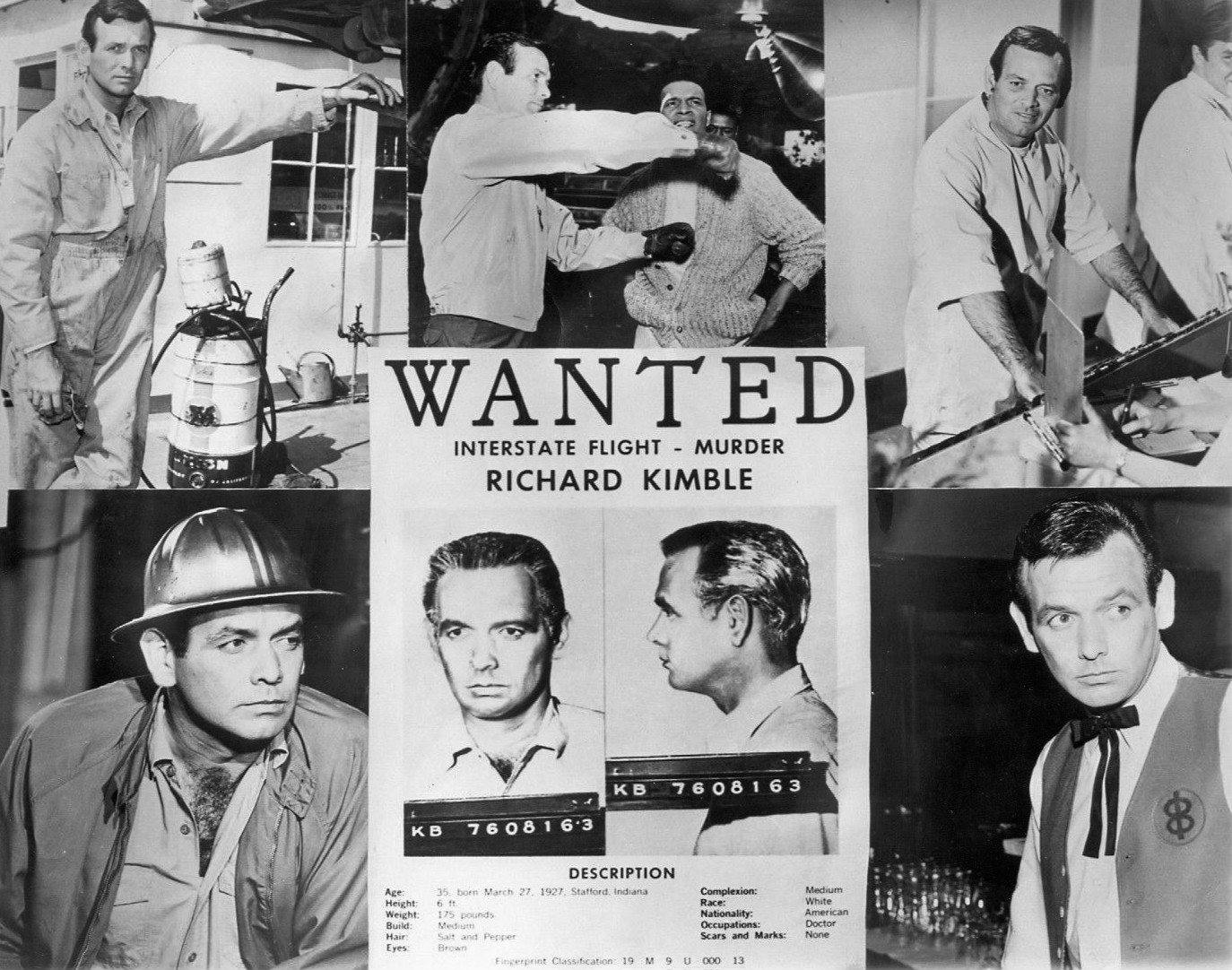
Four Seasons of Running, One Night of Verdict
Roy Huggins's manhunt as national appointment — David Janssen's quiet, Barry Morse's pressure, and a 1967 finale that taught America to wait for a gavel on a Tuesday.
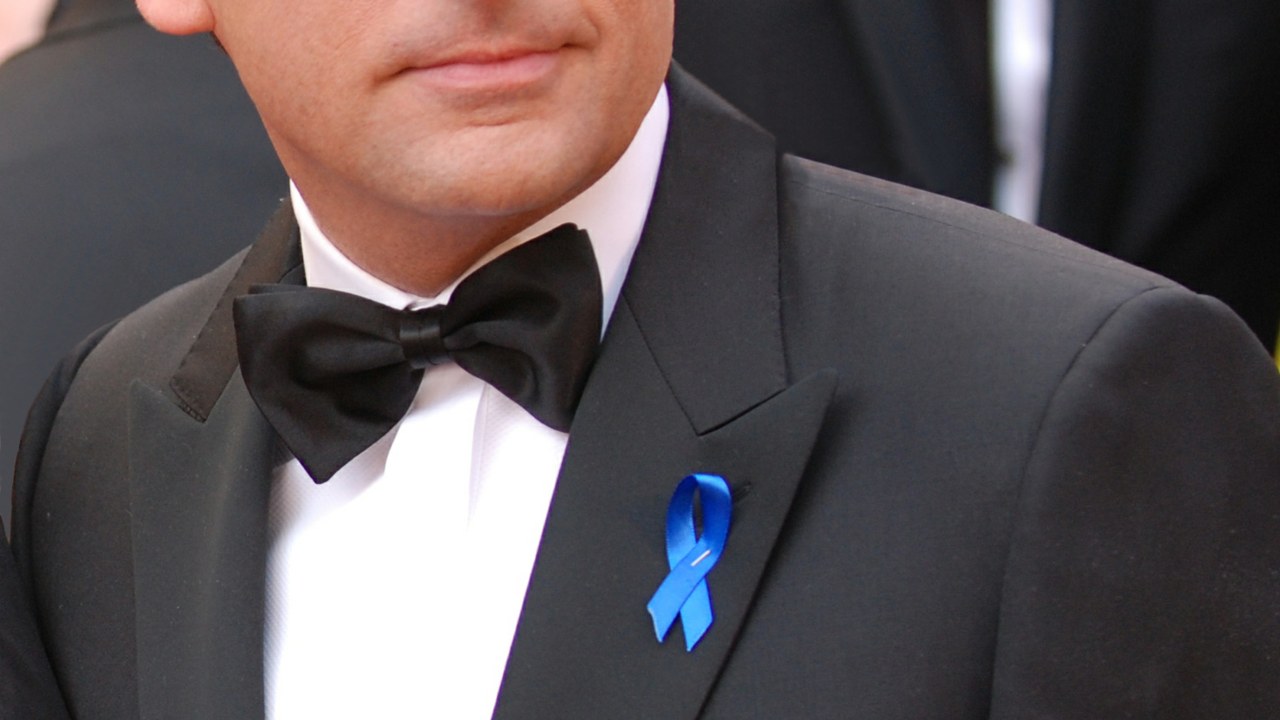
The Documentary That Outlived the Documentary
NBC’s Scranton mockumentary is not a vibe and not a reunion rumor. It is a nine-season argument about cringe, kindness, and when a workplace sitcom is allowed to end.
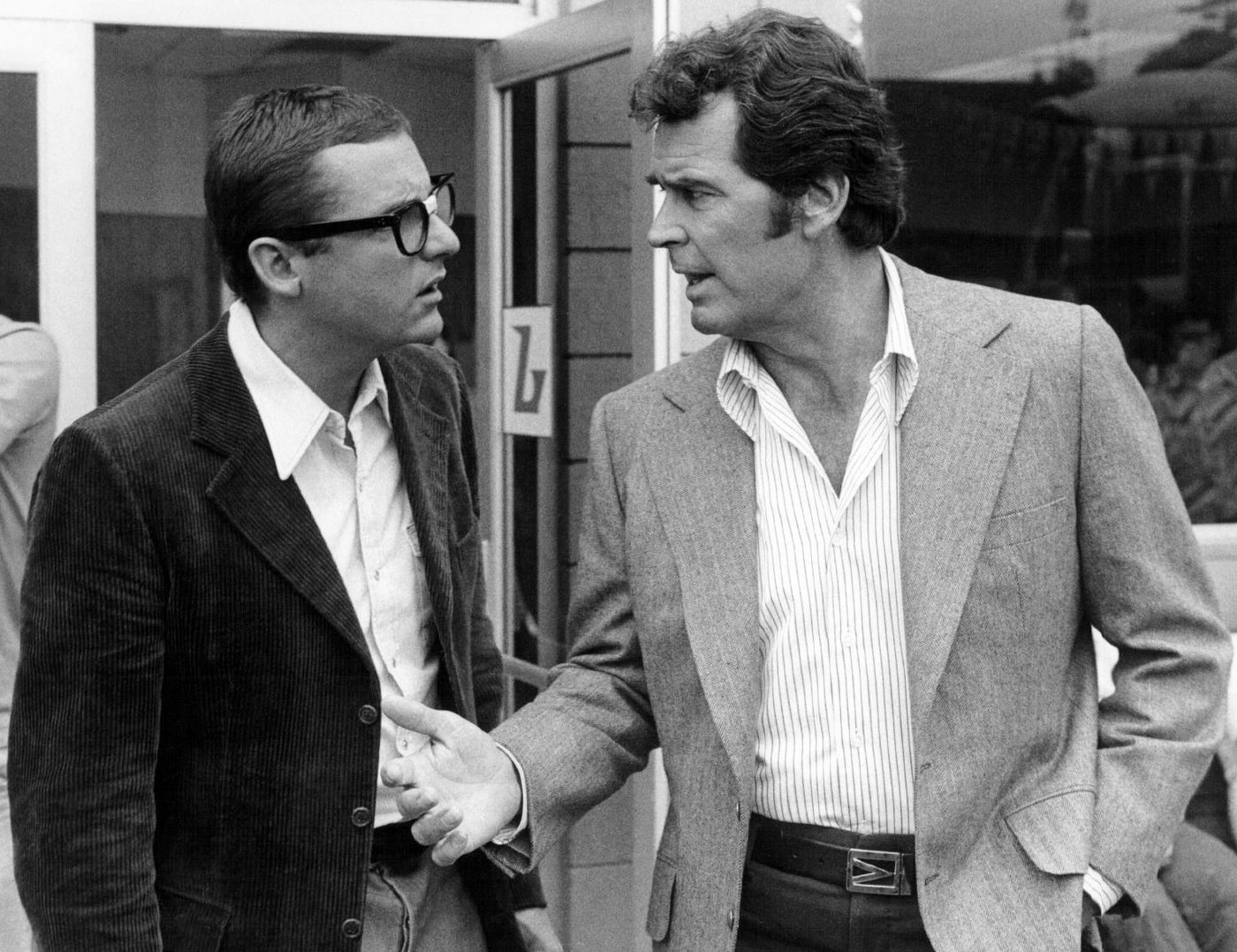
The Answering Machine Was the Style Guide
James Garner's anti-hardboiled PI: a beaten Firebird, a beach trailer, and crime television that treated exhaustion as craft — then spent years in court proving the studio had not.

The Dictionary That Kept Printing New Editions
Fox’s yellow family is not a sitcom you finish. It is a reference language still adding pages while the country litigates whether the golden age is over.
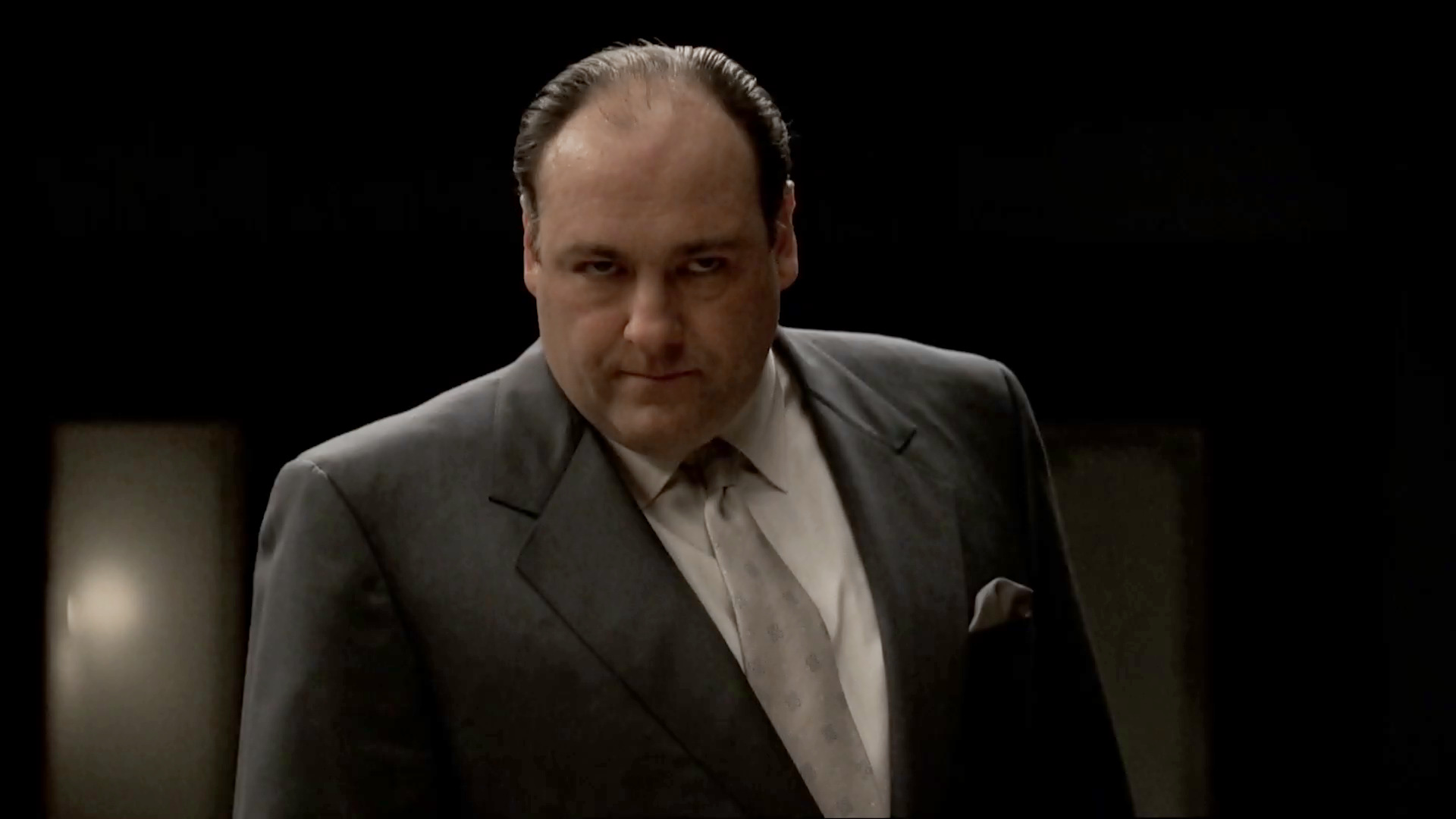
Therapy for a Monster Who Knew He Was the Product
Six HBO seasons that flipped prestige TV on: a mob boss in a psychiatrist's office, consequence that sticks, and a cut to black the culture still litigates.
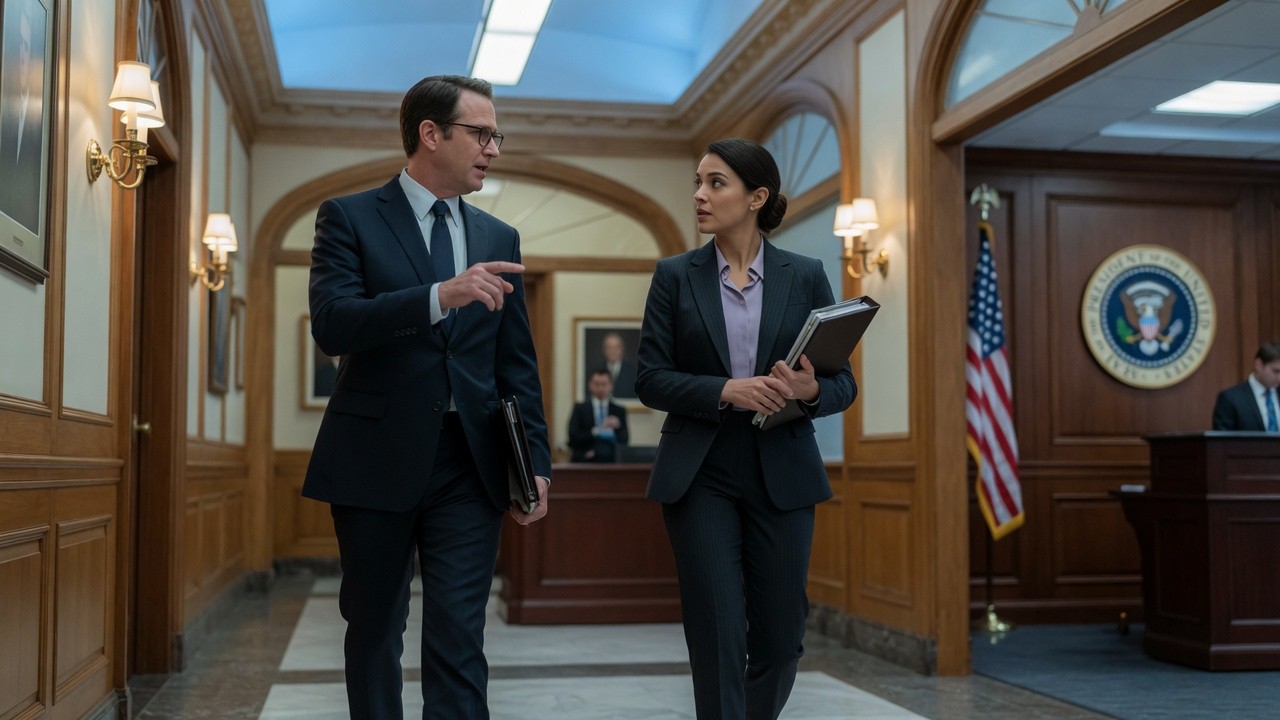
Competence as Spectacle
Walk-and-talk idealism on NBC: the White House as workplace epic, Sorkin’s music in the corridors, and a post-Sorkin hangover the fandom never stopped litigating.
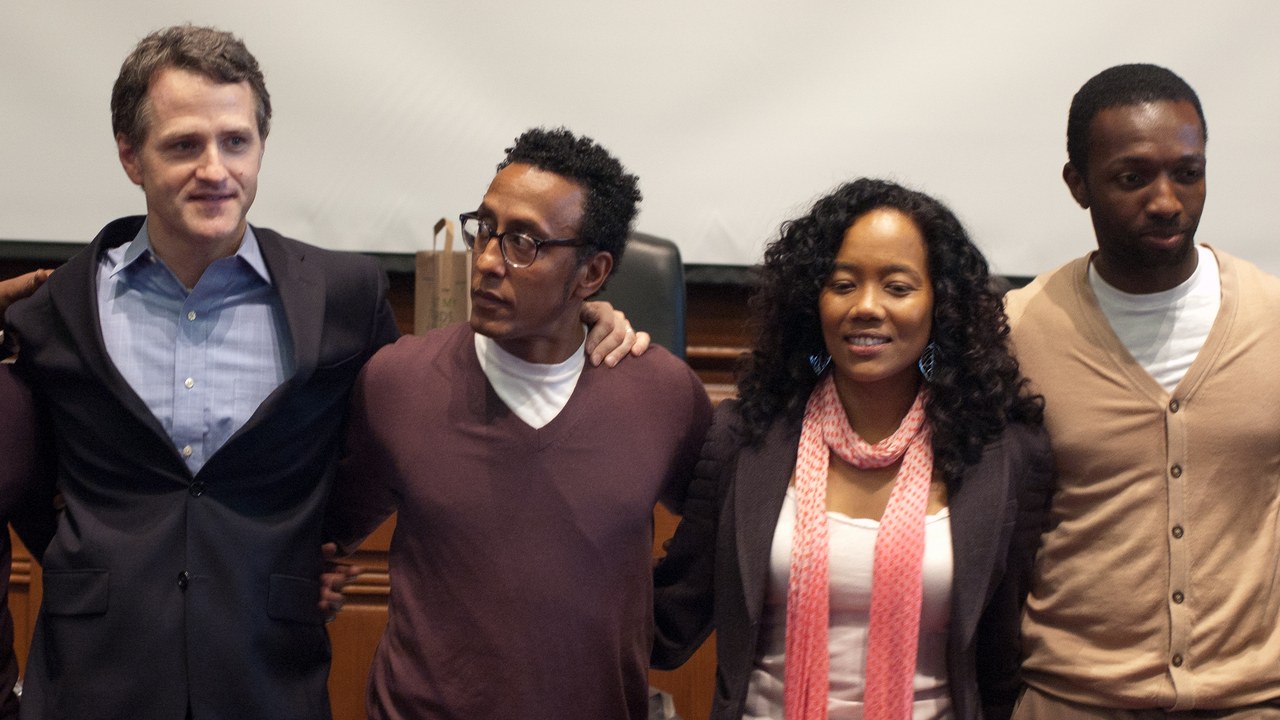
The Institution Was the Lead
David Simon’s Baltimore is not a crime show with extra homework. It is a novel in five civic volumes, and the corner was never the point.
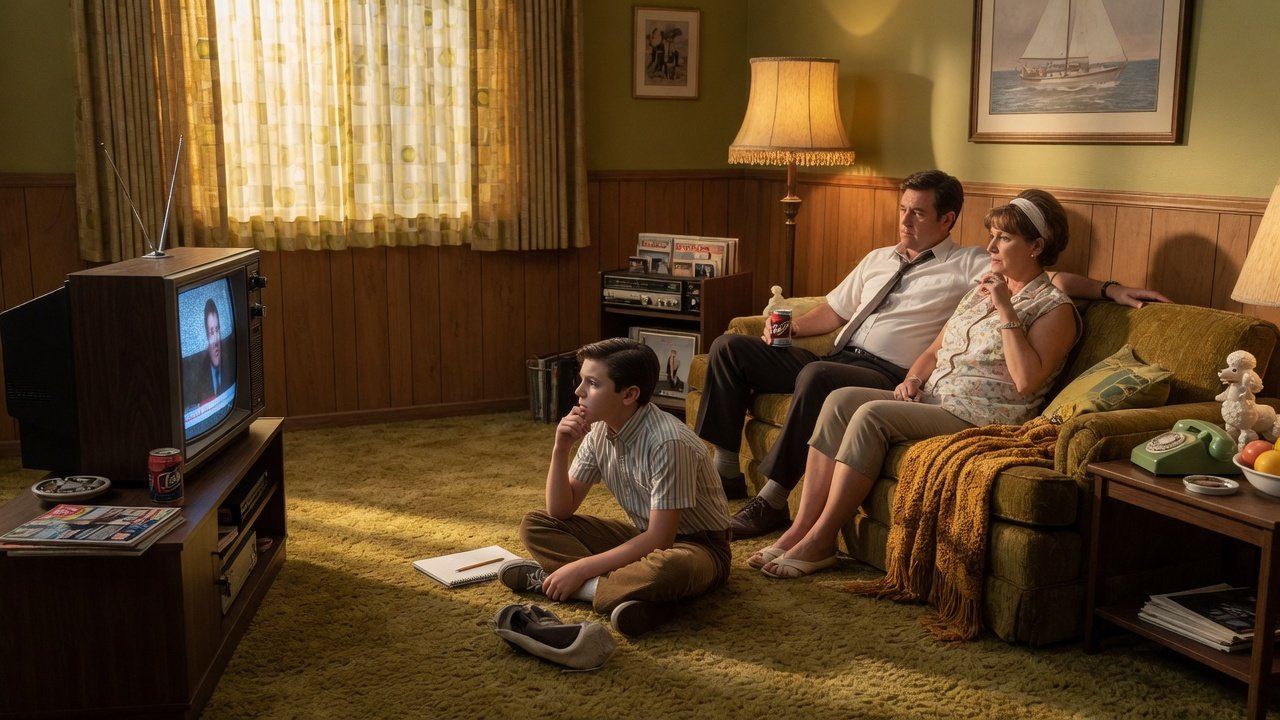
A Voiceover That Made the Suburbs Feel Like a Novel
The Wonder Years premiered after a Super Bowl and then spent six seasons arguing that memory is a form: Daniel Stern’s adult Kevin, a suburban decade, and coming-of-age without a laugh track as alibi.
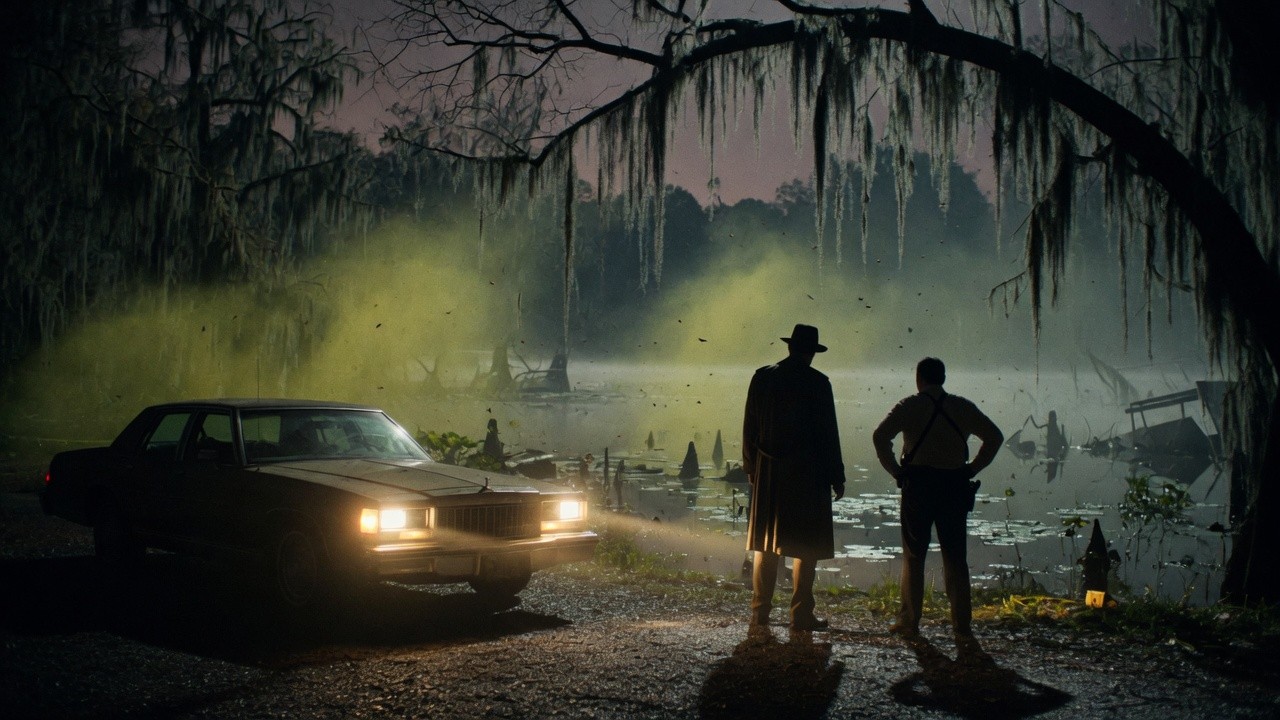
The Hour Is the Whole Case
HBO’s anthology noir lives or dies by the season you get: movie-star detectives, philosophy as atmosphere, and a first year so loud later casts still work in its weather.