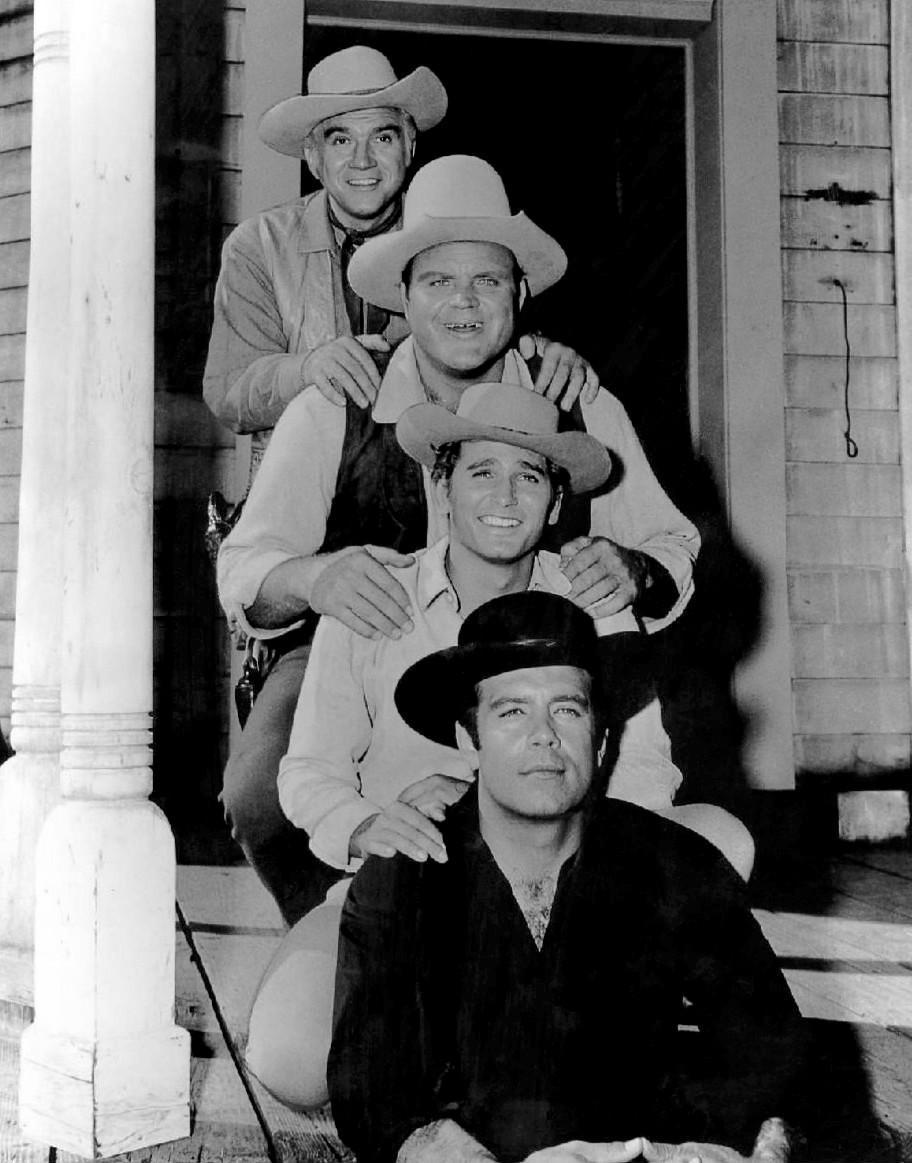
Proved westerns could be glossy, emotional, and endlessly franchisable.
Why it matters
From the desk
Sunday Night, Color, and a Ranch That Outlasted the Genre
Fourteen seasons of Cartwrights as household gods — NBC's glossy family western as Sunday ritual, sold in color while the rest of the prairie was still arguing with black-and-white.
Sunday night, 1959, and NBC is not merely airing a western. It is selling color sets as furniture. Bonanza walks into the living room in a palette the neighbors can envy through the window: the Ponderosa as parish, Lorne Greene's Ben Cartwright as patriarch with a three-son chord, and a Virginia City orbit that could host a moral, a guest star, and a fistfight before the late news. The western was already television's default weather. This one proved the genre could be glossy, emotional, and endlessly franchisable without pretending it was a history seminar.
On the palate: pine, gun oil, and a theme you hummed in the grocery line. David Dortort built a family before he built a plot, which is why the show survived plot. Michael Landon's Little Joe had the matinee face; Dan Blocker's Hoss had the heart the camera could not fake; Pernell Roberts's Adam had the restlessness that would eventually walk off the ranch for real. Hop Sing in the kitchen is of the period in ways a modern desk should not sand into innocence — the show is a 1959–1973 object, not a museum diorama with the labels peeled off. Guest-star mythology paid the rent. A single Sunday could mint a character actor's year.
What the network night looked like: Disney leftover light, Ed Sullivan still sequined on another night, and Bonanza as the hour families negotiated like a tiny UN. Fourteen seasons is not a vibe. It is an occupation. Three scandals that would trend today (and did, analog): a lead leaving the ranch while the publicity smiled; a death that the company had to write around because Blocker was not a replaceable silhouette; on-set power as a long goodbye the western era itself was taking. Max will chart who buried whom on a dashboard. This burial happened in public, in color, between a newsbreak and a truck commercial.
The hours that still earn a rewatch are the ones that treat the Ponderosa as a moral instrument, not a postcard. The Honor of Cochise is the guest-star western as argument. The Crucible traps a Cartwright in a pressure cooker that would play on a prestige limited series if you changed the hats. Hoss and the Leprechauns is the show admitting it can be playful without collapsing the parish. The Wish is later-season feeling with the lights still on. Forever, split across a two-hour door into the final year, is the series letting Landon carry grief the genre usually outsourced to a grave marker and a fade. You do not need all 431 hours. Nobody needs 431 hours except a scholar with a thermos. You need the family chord and a handful of Sundays.
Pernell Roberts left after season six; the ranch absorbed the absence the way long-running companies do — keep the brand, rewrite the table. Dan Blocker's death before the fourteenth season is the human, deflating fact under the grandeur: a giant man gone, a shortened year, a show that had already outlasted the western's network prime. The Hunter closes the book in January 1973 without emptying stadiums. Honest bookend. Appointment culture does not always detonate. Sometimes it just stops riding in.
A toast, then, to the color western as ritual — and to the star who, if the commissary stories hold, got tired of the same trail and still showed up because Sunday asked. Glory always had a slightly deflating detail. The Ponderosa was a set. The living rooms were real. The genre moved on. The reruns did not.
Episode guide
How this series is filed
TV Flash files Bonanza (1959–1973) on NBC as a season-first catalog of 431 listed hours across 14 seasons, 1959-09-12–1973-01-16 from “A Rose for Lotta (Pilot)” (S01E01) to “The Hunter” (S14E16).
Open the episode guide · S01E01 A Rose for Lotta (Pilot) · S14E16 The Hunter
Essential episodes
Five Sundays that still justify the color set — family chord, guest-star argument, late-run feeling. Filed by Rex Fontaine (Golden Age Dispatch).
- S03E03 The Honor of Cochise
Guest-star western as argument, not postcard — the Ponderosa used as a moral instrument.
- S03E28 The Crucible
A pressure-cooker hour that would play as prestige if you changed the hats.
- S05E12 Hoss and the Leprechauns
The parish admitting it can be playful without collapsing the family chord.
- S10E23 The Wish
Later-season feeling with the lights still on — longevity as craft, not only inertia.
- S14E01 Forever (1)
Grief the genre usually outsources to a grave marker. Landon carrying the final year's door.
At a glance
The Cartwrights run the Ponderosa ranch through family loyalty, guest-star crises, and glossy western adventure. Color TV spectacle meets emotional stakes on Sunday nights. Empire and kinship ride together across fourteen seasons of frontier soap.
Network & studio
- NBC — broadcast network
Why watch now
Sunday-night NBC color as ritual: a family western that treated the Ponderosa like a parish. Watch it for glossy production, rotating guest-star ethics, and the Cartwrights as household gods before prestige TV invented the phrase.
Cultural impact
Bonanza proved westerns could be emotional franchises, not just dust and gunfire. It helped define color-era event television for the living room.
Creators
David Dortort
Key cast
- Lorne Greene as Ben Cartwright
- Michael Landon as Little Joe Cartwright
- Dan Blocker as Hoss Cartwright
- Pernell Roberts as Adam Cartwright
Flash facts
- NBC Western about the Cartwright family on the Ponderosa Ranch near Virginia City; aired 1959–1973 (14 seasons).
- One of TV’s first major color Western hits; created by David Dortort.
- Long-running Sunday staple for much of its run; theme music became widely recognizable.
FAQ
Do I need to watch 14 seasons of Bonanza in order?
No. It is an episodic family western. The Cartwrights continue; plots reset. Sample famous hours, then wander by season if the ranch takes. A thermos-and-scholar marathon is optional.
Why does it look richer than other westerns of the period?
NBC used it as a color showcase from the start. Production values were part of the pitch: landscape, wardrobe, and a living-room argument for buying a color set.
When does the cast change?
Pernell Roberts (Adam) leaves after season 6. Dan Blocker (Hoss) dies before season 14, and that year is shorter. Lorne Greene and Michael Landon remain the through-line.
Is the finale a big event?
“The Hunter” is a catalog close, not a stadium goodbye. The series stops riding in January 1973 after outlasting the western's network prime.
Where should a newcomer start?
The pilot, “A Rose for Lotta,” shows the family chord. For craft, jump to a pressure-cooker hour such as “The Crucible” or a guest-star argument such as “The Honor of Cochise.”
Official & further reading
External sites for further reading — TV Flash is not affiliated with these networks or studios.
Back to the decade
Also on the dial
More after Bonanza
- Related showNight GallerySerling after the Zone — paintings as portals to nastier nightmares.
- Related showThe Andy Williams ShowMoon River hospitality — easy-listening variety with Christmas brand power.
- Related showHullabalooNBC's answer to Shindig — cages, choreography, and chart-topper TV.
- Related showWalt Disney's Wonderful World of ColorDisney's Sunday night showcase — color TV's best salesman in a cardigan empire.
- Related showFlipperSmarter than the average dolphin — Florida Keys family adventure with marine star power.
- Related showDaniel BooneFess Parker's coonskin return — frontier hero TV for the whole family.