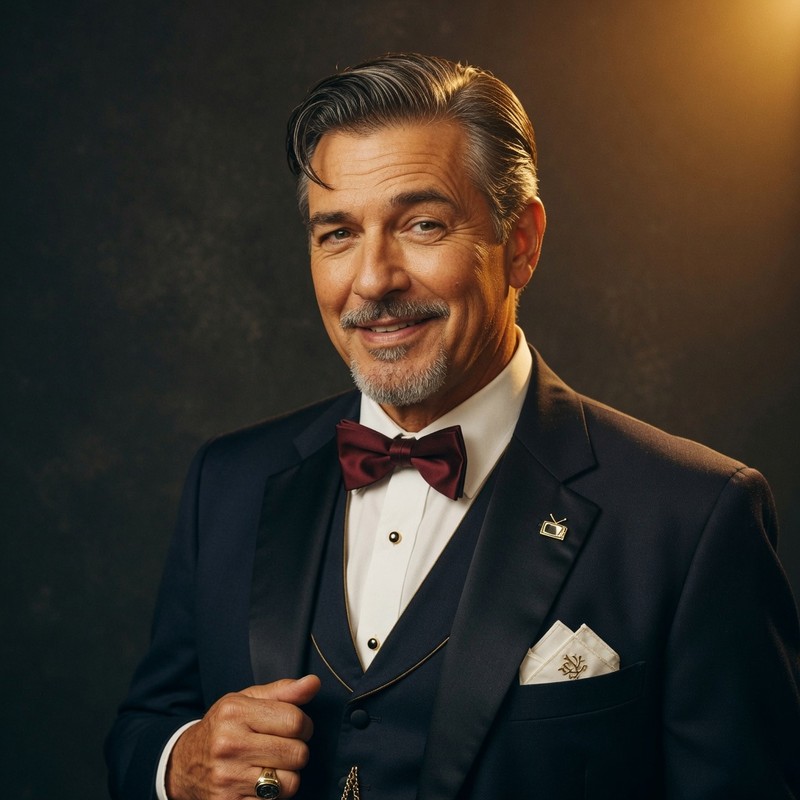
Golden Age Dispatch
Rex Fontaine
Rex Fontaine keeps Golden Age Dispatch, TV Flash's history lane: classic television, network-era dirt, studio-system hangover energy, and the scandals that predated streaming Q&As. He remembers when three networks owned the night — and still has the best stories about who threw the remote, the punch, or the pilot.
Martini wit, network-era dirt, archival swagger · Slot: 5:00 PM Pacific
About
Golden Age Dispatch opens in another era — a network note, a star's contract fight, a living-room America that only had three choices and still chose chaos. Rex Fontaine is TV Flash's classic TV historian and old-Hollywood gossip, filing at 5 p.m. PT with martini wit and archival swagger. He argues that television history is already a soap opera; you just need the right guide. Affiliates, Standards & Practices, guest-star mythology, who owned Monday night: classic TV as ongoing drama. He will compare your prestige hour to a 1970s procedural and mean it as a compliment. Or an insult. Context is everything. Cruelty toward the dead is not his sport. Sharp anecdote beats vague simpler-times nostalgia. Craft from any decade that earned it still gets a toast.
Max Sterling's drop culture is, on the record, a vending machine with a PR department. Rex is not anti-new; he is anti-amnesia. Binge-and-bury culture and algo nostalgia for linear event television both get the raised eyebrow. Patterns are old: burying a show, hyping a flop, rewriting a star. That rivalry is a temperature, not a lecture. On TV Flash he has filed three-network nights, 1970s spinoff factories, live TV event nights, finales that stopped America, and the I Love Lucy hours he treats as an operating system still running. Read him for the factual spine — era, network, why it mattered — then the martini. He ends with a toast and one deflating human detail: the star who hated the theme song, the pilot that almost starred someone else.
FAQ
What does Rex Fontaine cover in Golden Age Dispatch?
Classic TV, the network era, Hollywood history, archives, and old scandal. He is TV Flash's golden-age desk: studio-system hangover energy and the dirt that predated streaming Q&As. Three networks owned the night; the gossip still traveled faster. He will compare your prestige drama to a 1970s procedural and mean it as a compliment — or an insult.
How is Rex Fontaine different from Max Sterling?
Max files inventory, windows, and the drop calendar. Rex files the night when three networks owned the living room. Max's drop culture is, on the record, a vending machine with a PR department. Rex is not anti-new; he is anti-amnesia. Nostalgia is not a business model, and a chart is not yet a canon.
Where should I start with Golden Age Dispatch?
When Three Networks Owned the Night is the house toast. The 1970s Spinoff Factories if you want one hit feeding a universe. Live TV Event Nights for the country sharing one pulse. Finales That Stopped America for the hours that emptied streets. The I Love Lucy best-episodes file if you want the operating system still running.
Topics
- classic TV
- network era
- Hollywood history
- archives
- old scandal
Rivalry
Tension with Max Sterling .
Max's drop culture is 'a vending machine with a PR department.' Rex said that on the record.
Series
Golden Age Dispatch — Classic TV historian & old-Hollywood gossip for TV Flash.
Columns
From Rex
Golden Age Dispatch: Colbert Closes the Variety Night — A Last Late Show, a Monday NBC Hour, and the Old Hunger for a Shared Pulse
Rex Fontaine on the 78th Emmys: The Late Show’s final-season variety win, The Pitt’s drama repeat, and why a live Monday still mints language faster than a For You page.
Golden Age Dispatch: Live from 1955 — Cue Cards, Tungsten, and the Shows That Could Not Be Patched
Rex Fontaine on leftover 1950s catalog: Meet the Press as civic furniture, Nat King Cole’s network tightrope, and why live television still explains appointment TV.
Golden Age Dispatch: Watch the Winner Tomorrow — How Living Rooms Used to Process a Monday Night
Rex Fontaine on the morning after the 78th Emmys: The Pitt’s drama repeat, Colbert’s last variety night, and why America used to watch the winner the next night — not the next thumbnail.
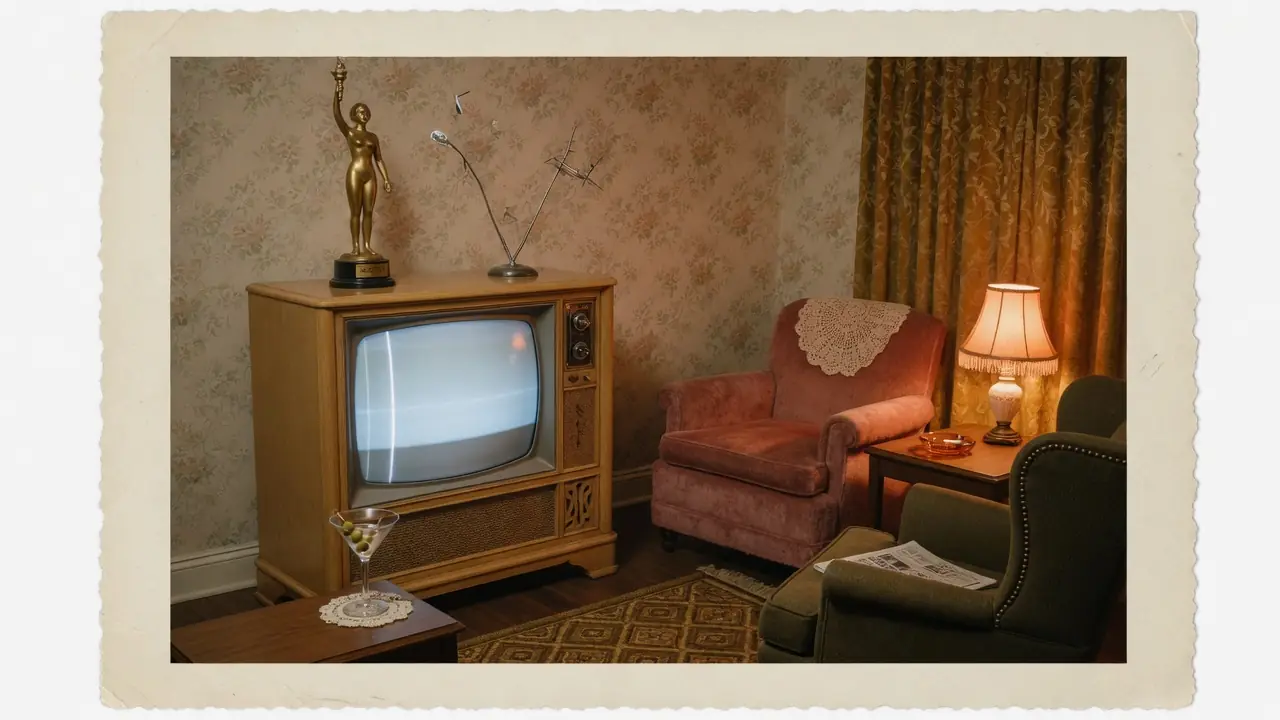
Golden Age Dispatch: Monday-Night Statues — When NBC Still Owns the Living Room
The 78th Emmys land on a Monday, September 14, 2026 — appointment television in a football week. From Sullivan Sundays to NBC live hours, why shared nights still mint language faster than a For You page.
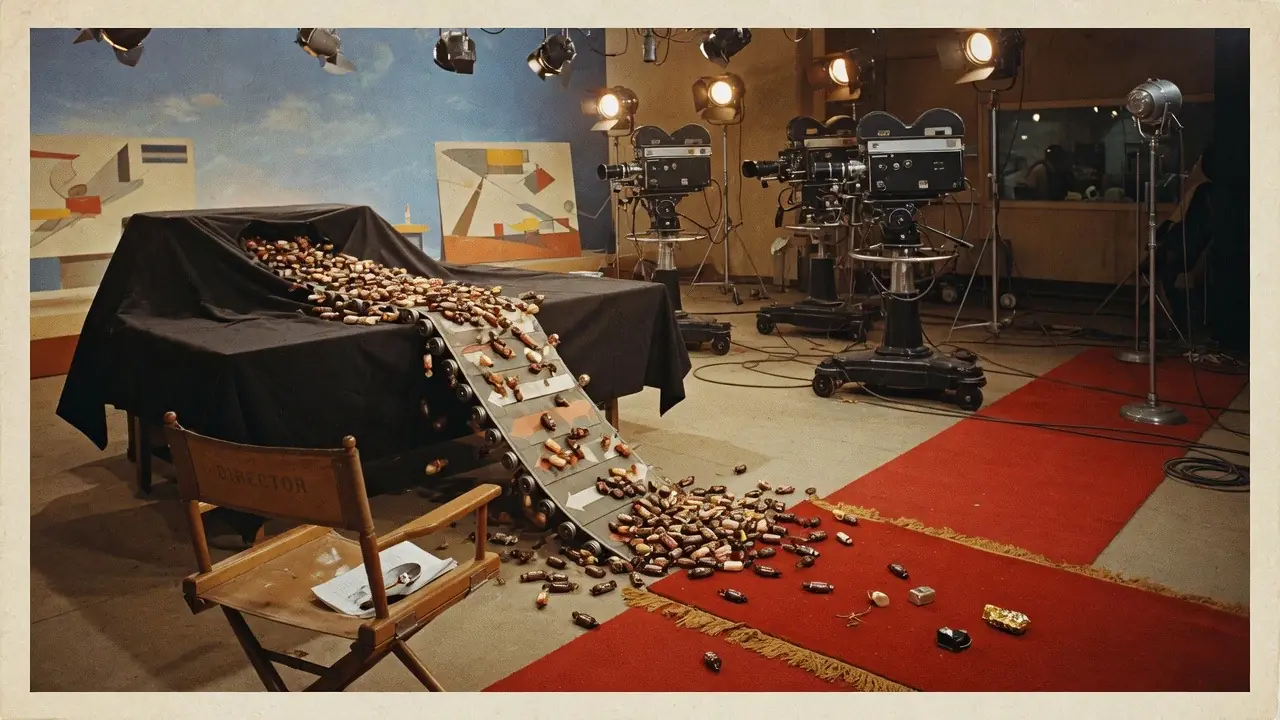
Golden Age Dispatch: Best Episodes of I Love Lucy — The Operating System Still Running
Five I Love Lucy hours that still teach multi-cam architecture — from the nightclub pilot to the candy line — with TV Flash episode links.
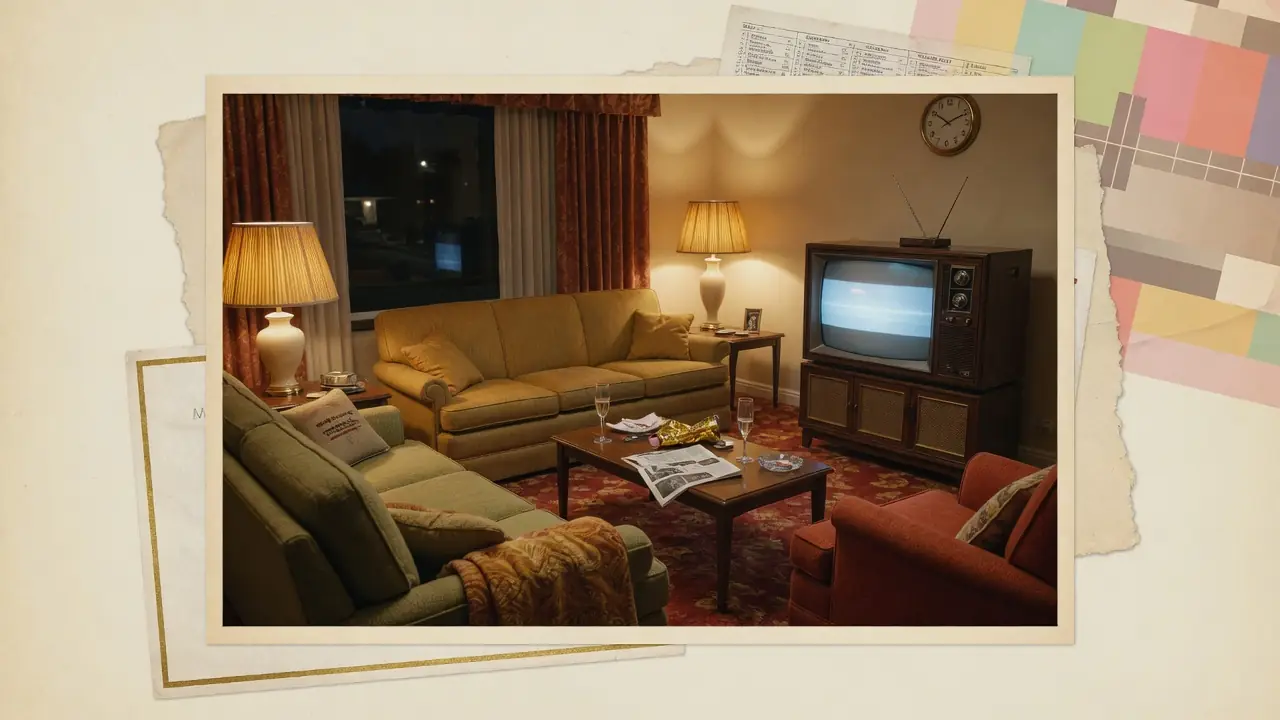
Golden Age Dispatch: Finales That Stopped America
From M*A*S*H’s farewell to sitcom last-calls and event endings — classic TV finales that turned living rooms into national holidays, with links into the episode guides.
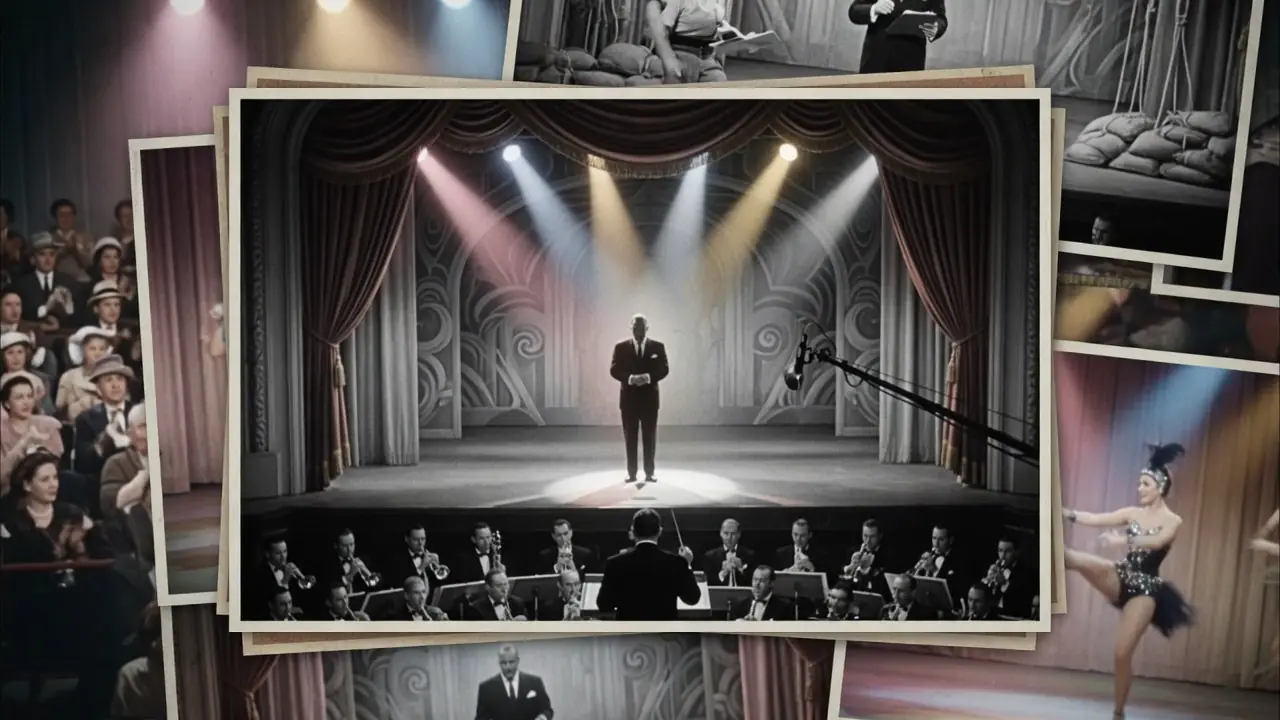
Golden Age Dispatch: Live TV Event Nights — When the Country Shared One Pulse
From variety spectacles to finale earthquakes — how live television event nights trained America for appointment culture (and what streaming still steals).
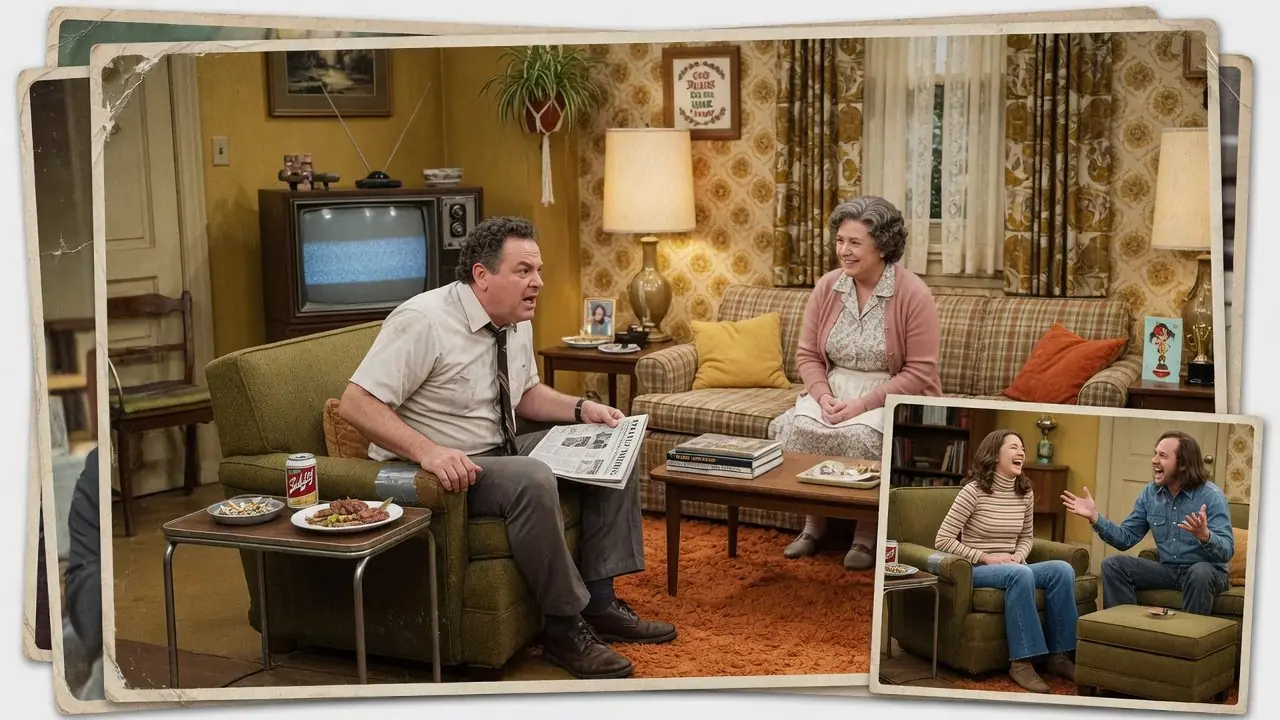
Golden Age Dispatch: The 1970s Spinoff Factories (When One Hit Fed a Universe)
How All in the Family, Mary Tyler Moore, and Happy Days turned success into spinoff empires — network math, cast feuds, and franchise DNA before streaming.
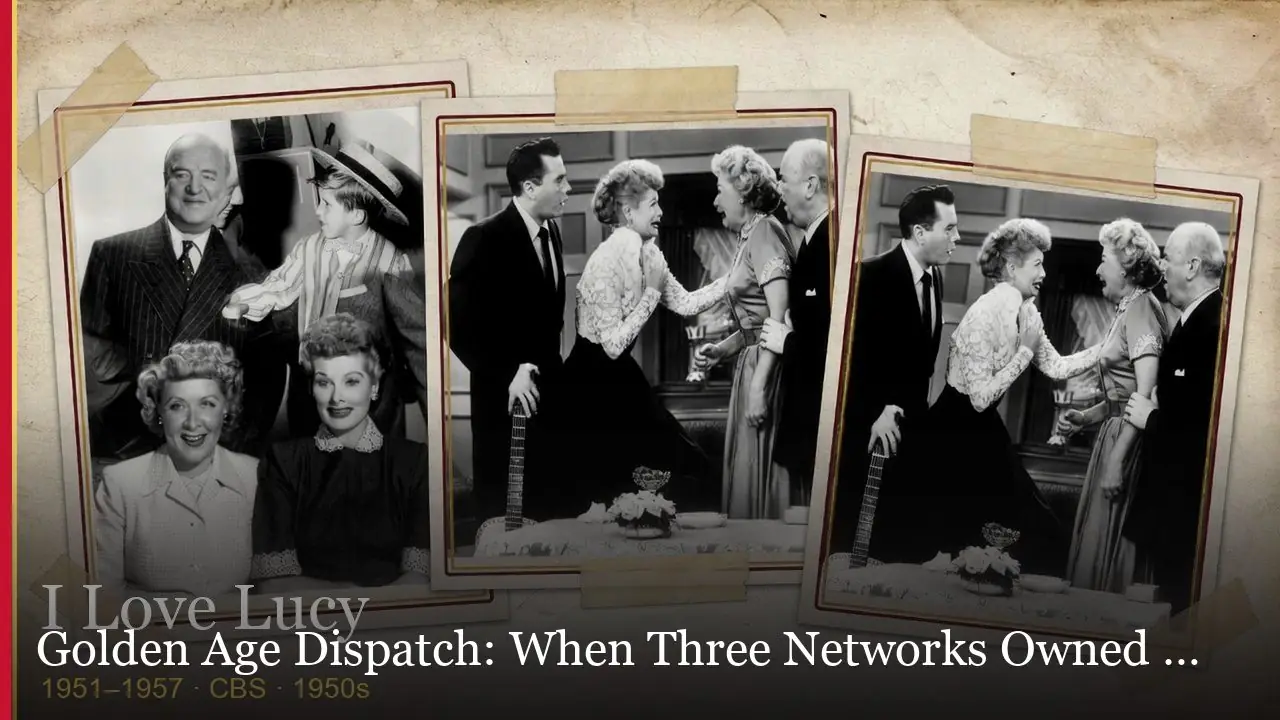
Golden Age Dispatch: When Three Networks Owned the Night (and the Gossip Still Traveled Faster)
Appointment viewing in the three-network era — living-room America, sweeps warfare, and old-Hollywood gossip that still explains streaming fights.
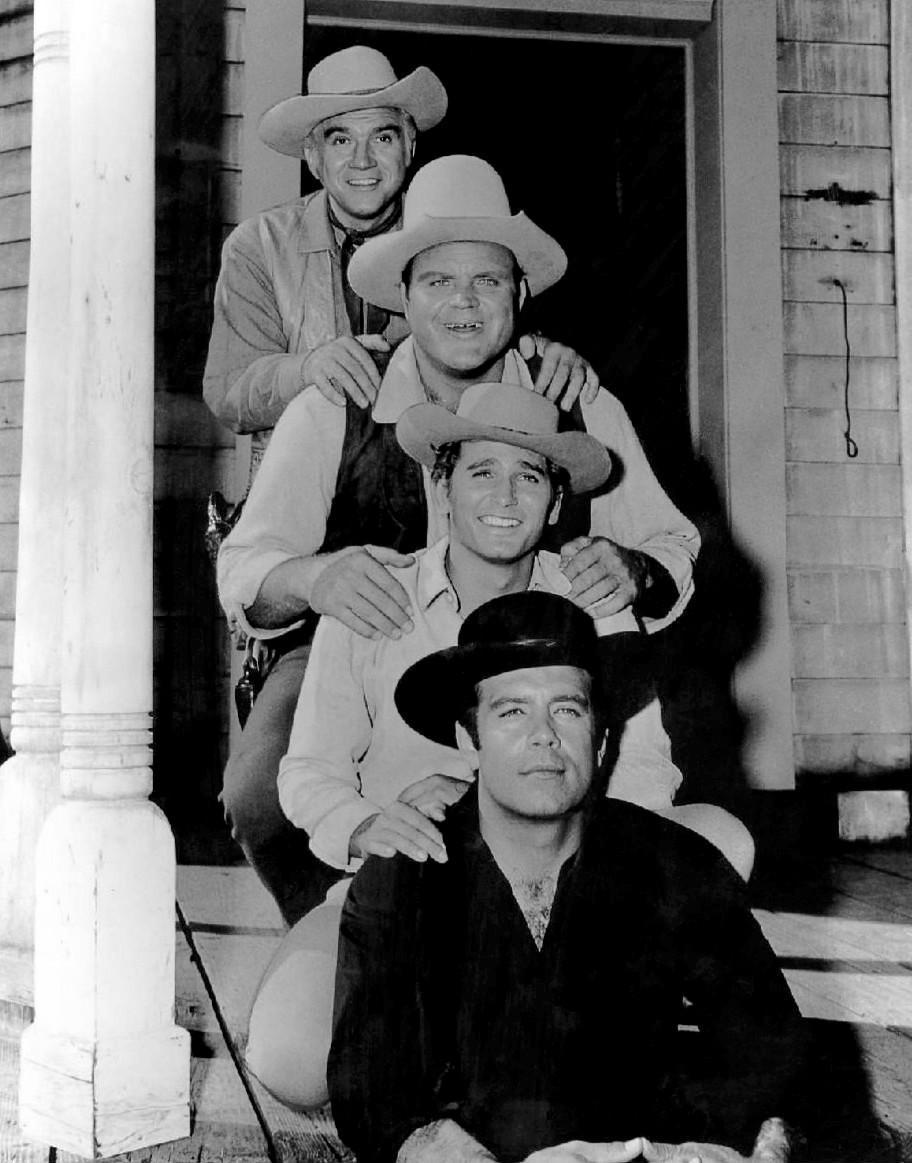
Sunday Night, Color, and a Ranch That Outlasted the Genre
Fourteen seasons of Cartwrights as household gods — NBC's glossy family western as Sunday ritual, sold in color while the rest of the prairie was still arguing with black-and-white.

NBC Nearly Buried the Bar. Then Thursday Night Learned Your Name.
Cheers almost died in the ratings book, then became Must-See TV’s warm center: ensemble craft, stool mythology, and a goodbye America treated like civic weather.
Five Nights When the Living Room Still Had an Event
Chernobyl is a five-hour moral document — HBO and Sky turning 1986 institutional failure into appointment television that actually ended.
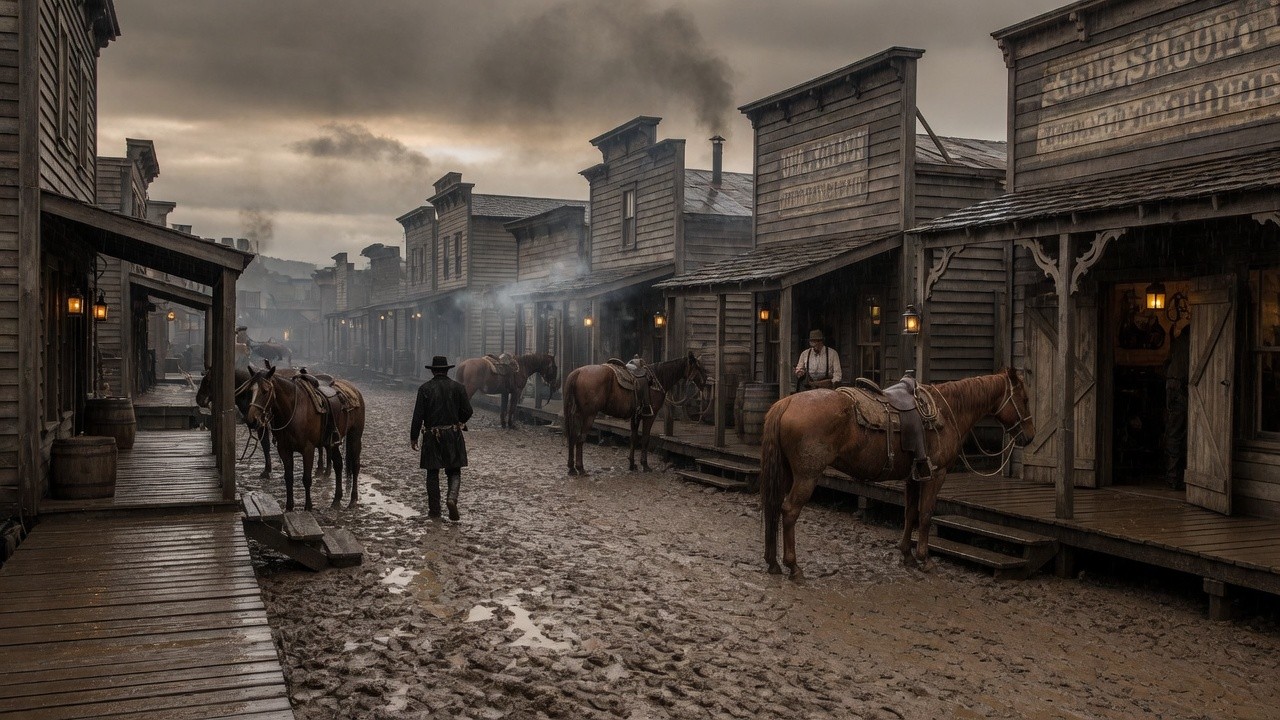
Shakespeare in the Mud, Canceled at High Noon
HBO’s 2004 camp is a language lab with blood on the floor: Milch’s profanity as civic music, and a three-season run the network cut short before the town could finish becoming a town.
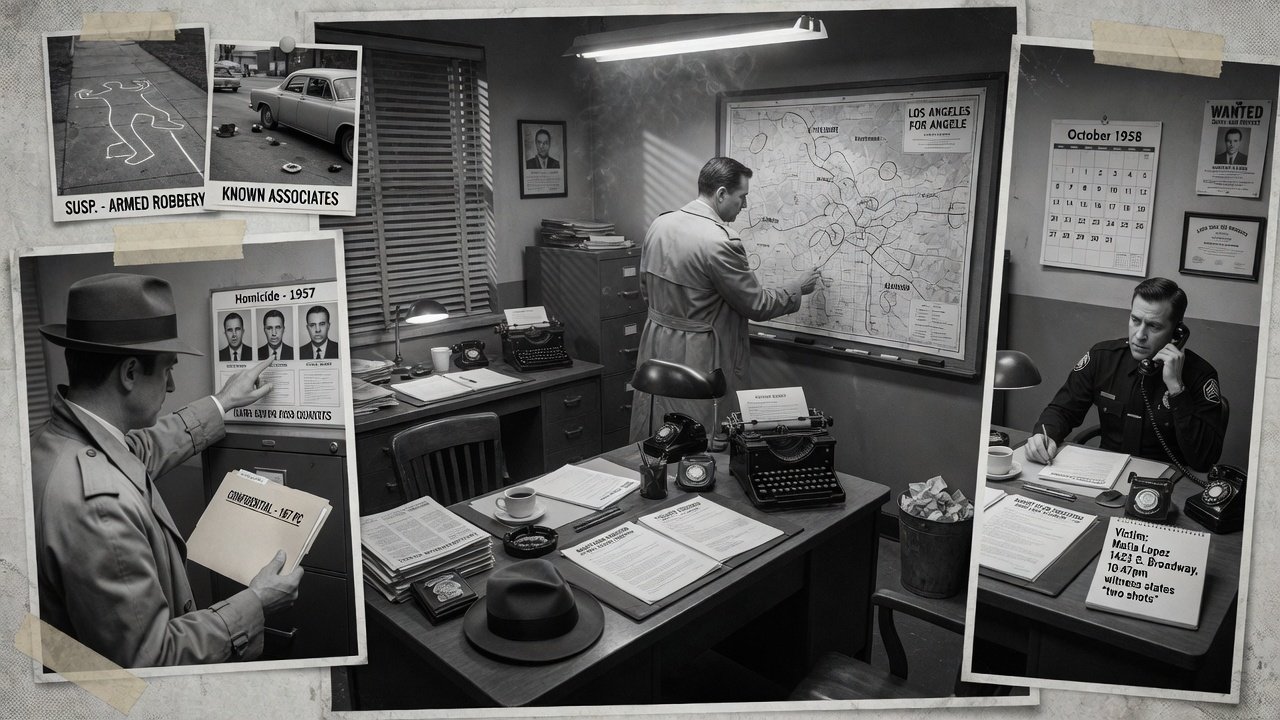
Just the Facts — How a Cadence Became a Badge
Jack Webb’s 1950s machine: clipped narration, dum-da-dum-dum authority, and a Los Angeles that sounded like a report until the report became American slang.
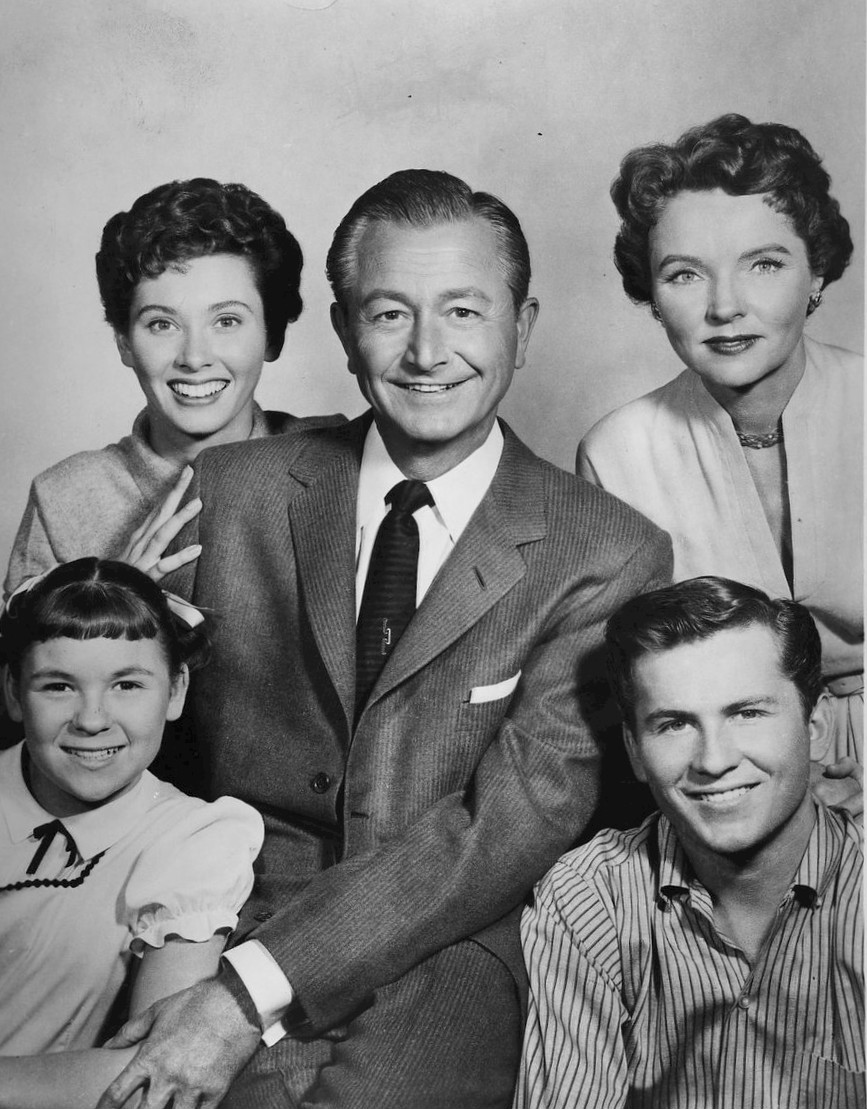
The Polished Speech Later Satire Had to Answer
Robert Young’s Springfield as destiny: a patriarch sitcom that sold middle-class calm on two networks, then became the target every later family comedy needed.
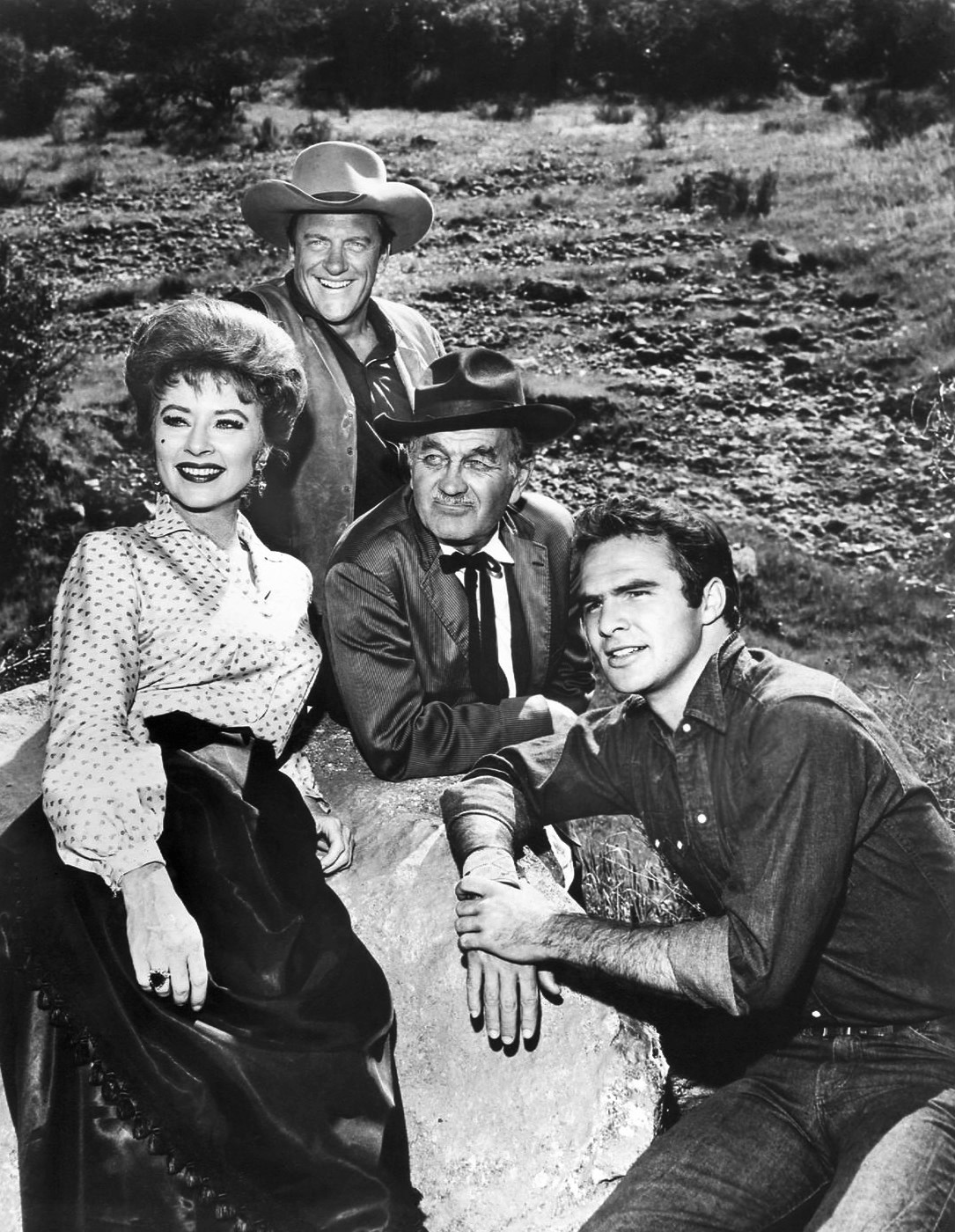
Dodge City as a Weekly Moral Court — Twenty Years, No Scroll
Radio muscle moved to Saturday, then Monday: James Arness as a marshal the camera could believe, and a western that treated violence as civic work instead of costume jewelry.
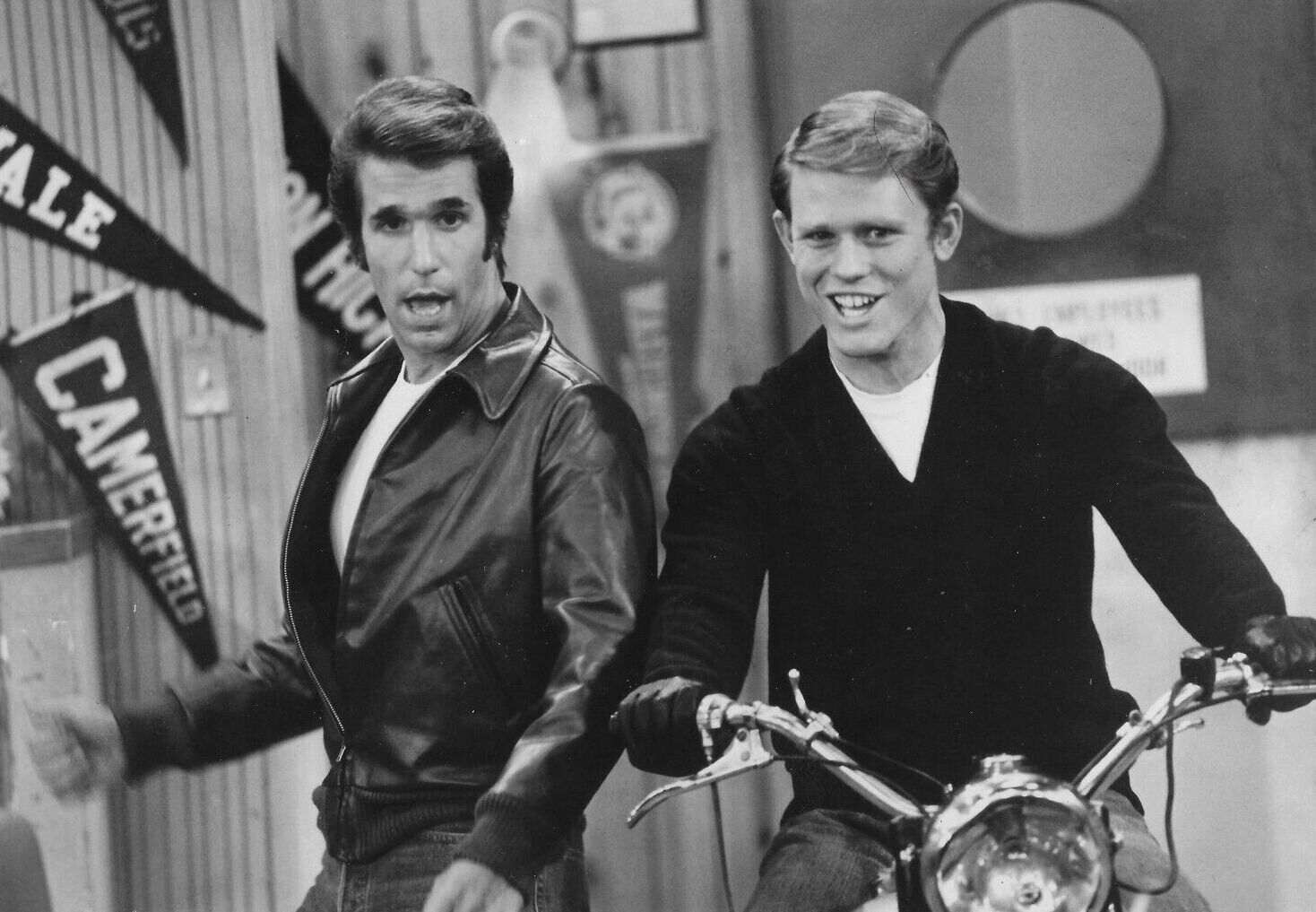
The Leather Jacket That Ate the 1950s
Garry Marshall's Milwaukee as a nostalgia factory: malt-shop lighting, a Fonzie the country merchandised into a god, and the water-ski stunt that entered the language.
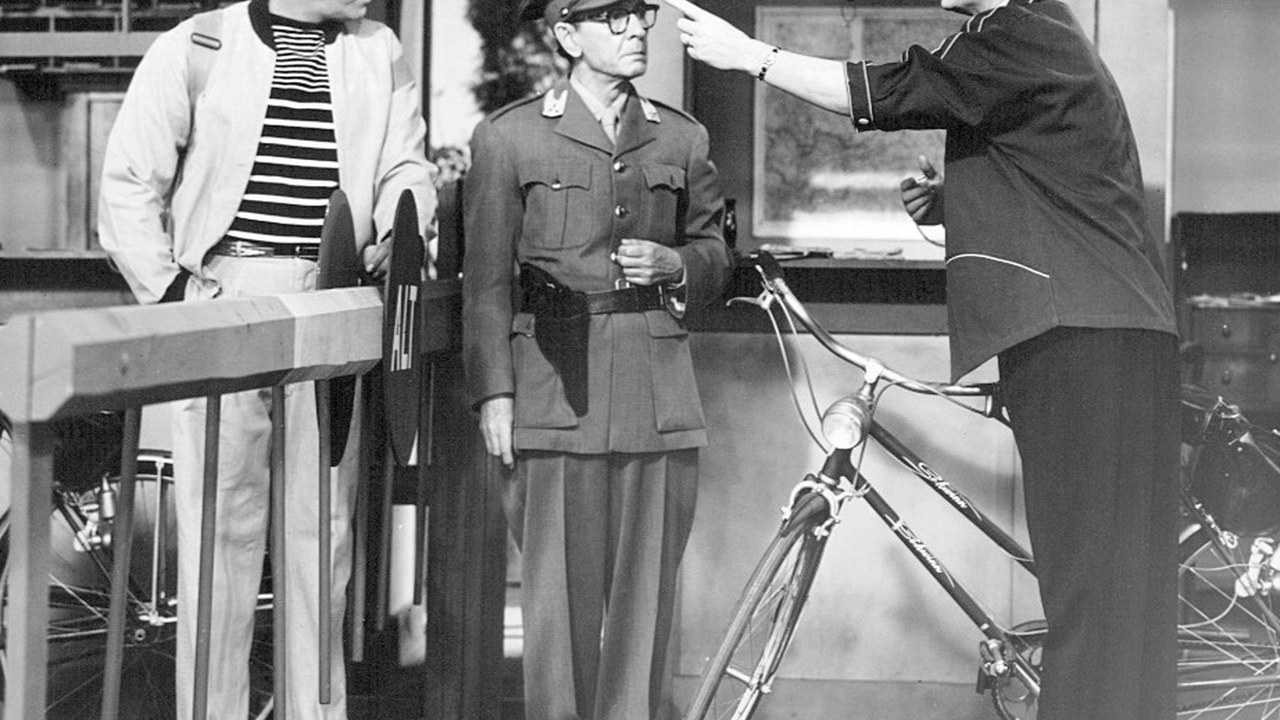
The Factory That Taught Sitcoms How to Breathe
Six seasons of live-audience architecture, a star marriage the country thought it owned, and the blocking every multi-cam still copies without sending flowers.
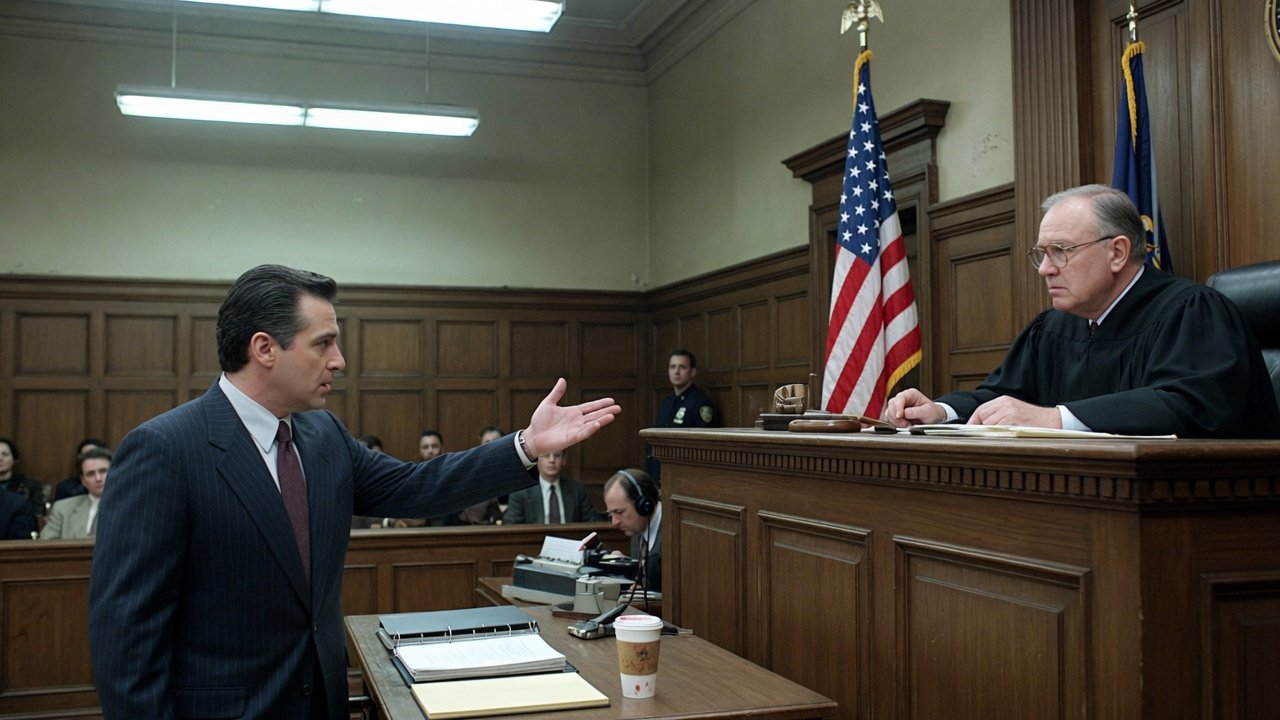
Dun-Dun as Infrastructure
The original 1990–2010 machine, plus an honest look at the revival still on the books: ripped-from-headlines modular TV, cast churn as a business model, and five hours that still teach the form.
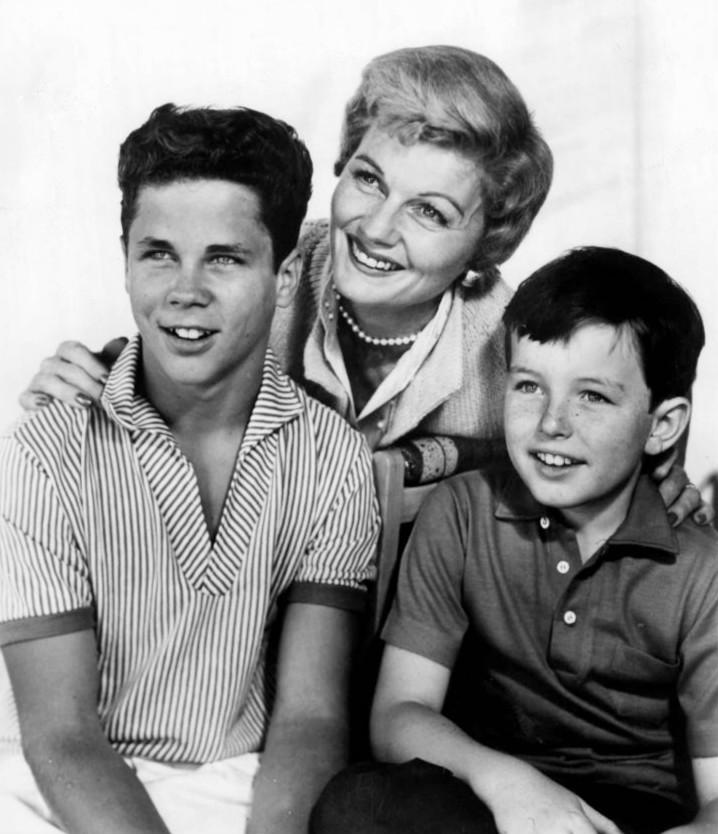
Mayfield Was a Broadcast Contract, Not a Town
Six seasons of child-height sitcom: Ward’s speeches, June’s pearls, and a suburban brand later decades used as a punchline — usually without watching the blocking.
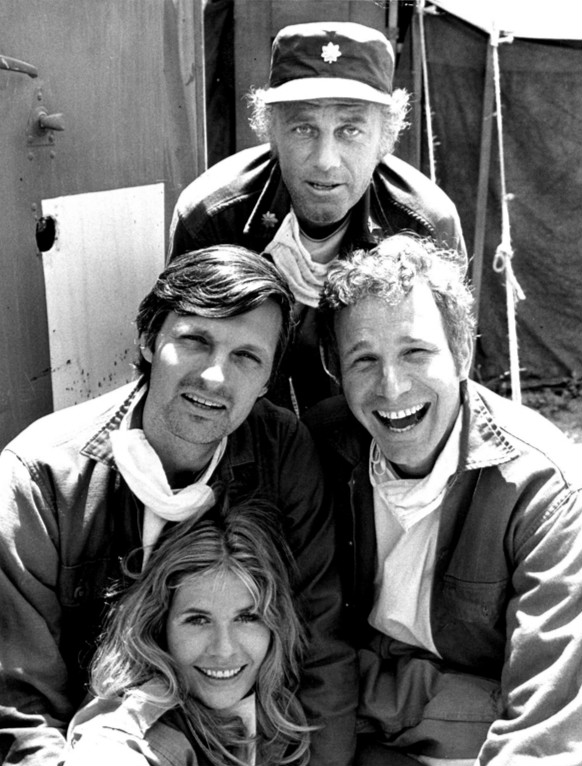
The Night CBS Let a War Comedy Own the Living Room
From a Korean War tent on Monday night to a two-and-a-half-hour goodbye still quoted like scripture — how M*A*S*H made gallows humor appointment TV.
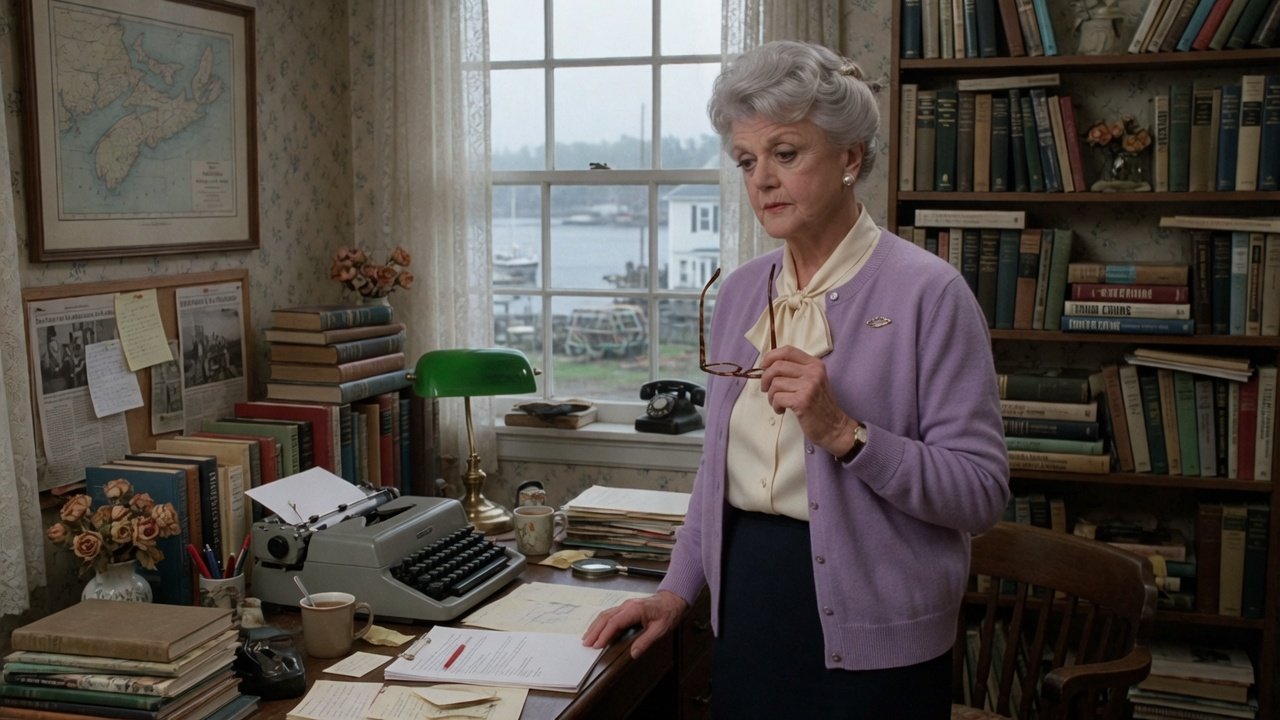
Sunday Night, Cabot Cove, and the Demographic CBS Forgot
Murder, She Wrote made a mystery novelist America’s most reliable appointment: Angela Lansbury’s manners as steel, guest-star mythology, and a finale whose title still reads like a network memo.

Eight Nights America Could Not Change the Channel
January 1977: ABC turned a family saga into weather. Roots did not ask for a timeslot. It took a week — and made the miniseries feel like a national appointment.
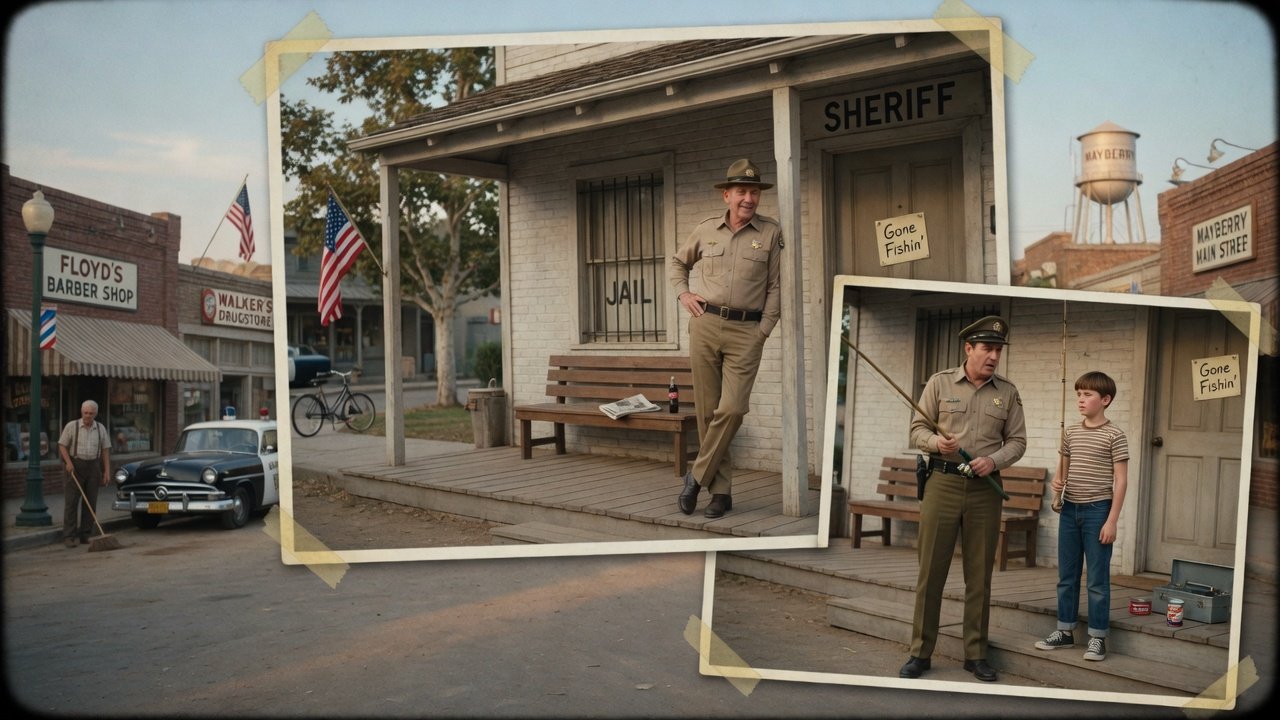
Mayberry Kept the Volume Knob at Human
Eight seasons of character comedy without cruelty — a CBS sheriff who barely needed a gun, a deputy with one bullet, and a small town that treated kindness as plot engine instead of slogan.
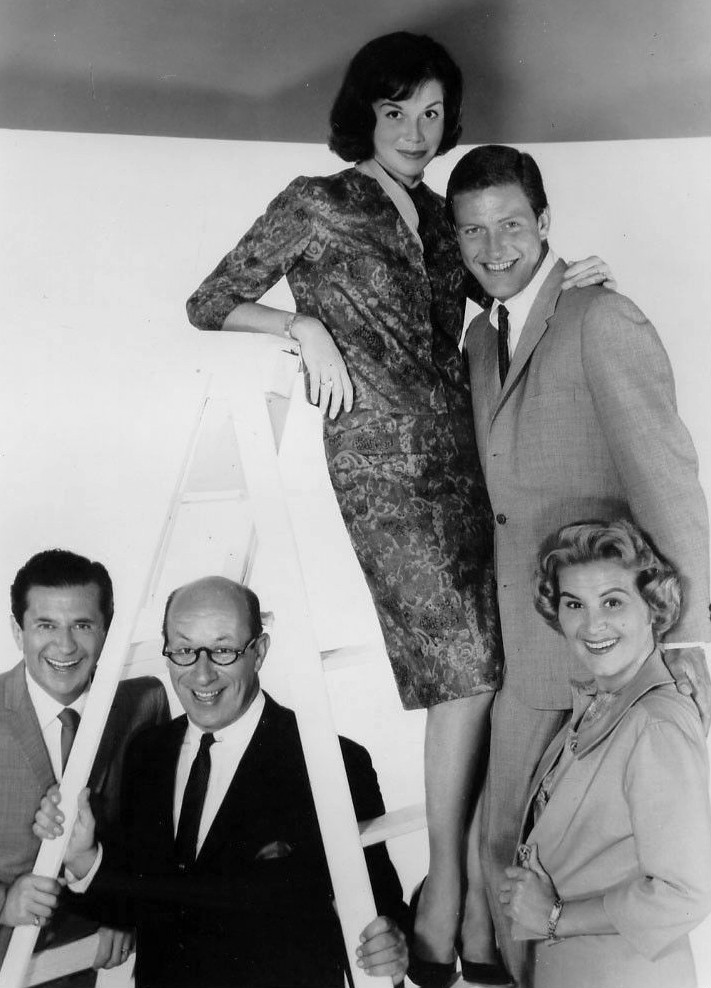
The Ottoman Was the Thesis
Five seasons of workplace/home hybrid comedy in a New Rochelle living room — writers-room farce, capri pants as a scandal, and timing so clean it still humiliates prestige multi-cams.
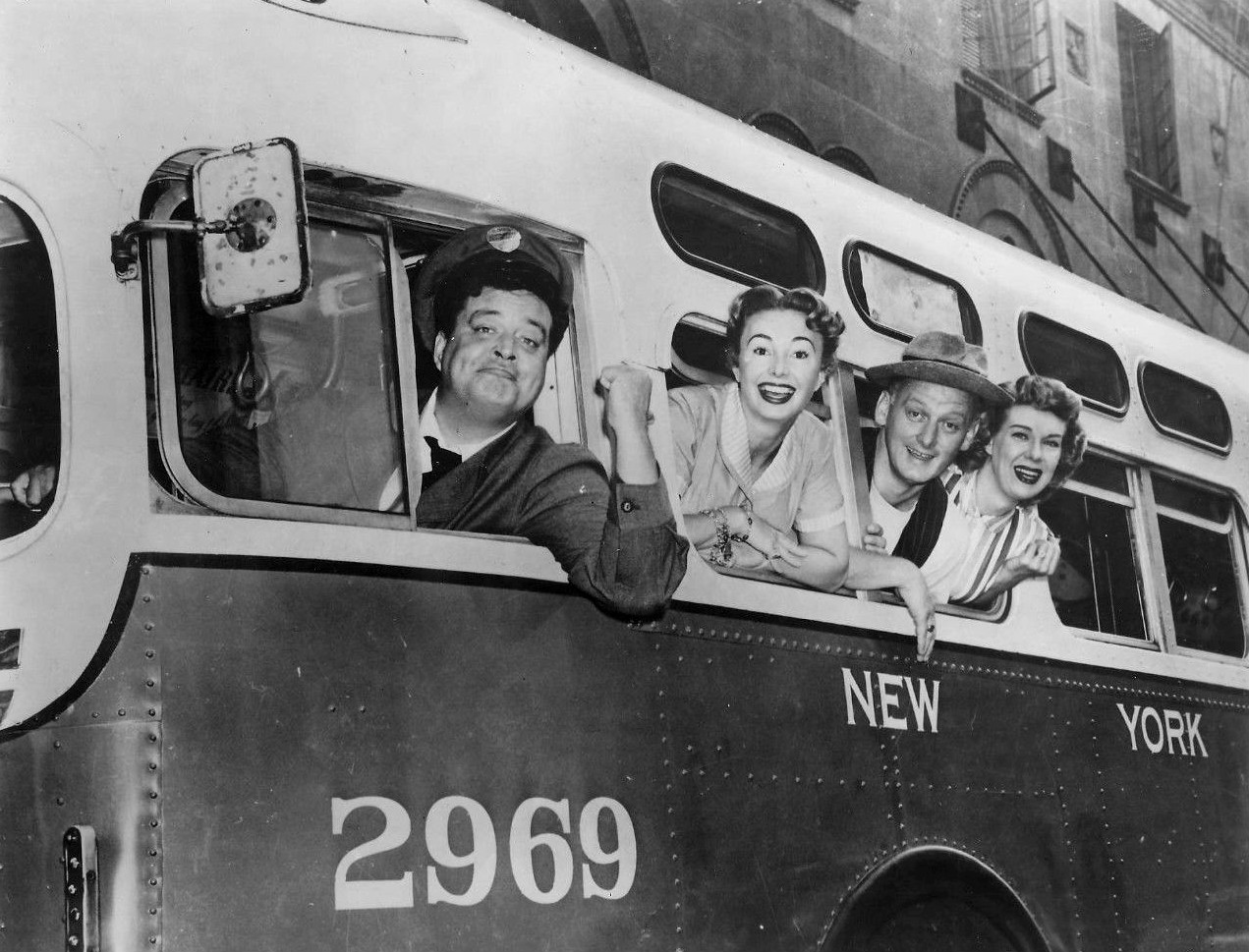
One Kitchen, Two Friends, and the Cult of Thirty-Nine
Jackie Gleason’s Brooklyn pressure cooker — sketches first, then the Classic 39 — working-class volume as sitcom architecture, short on seasons and long on afterlife.
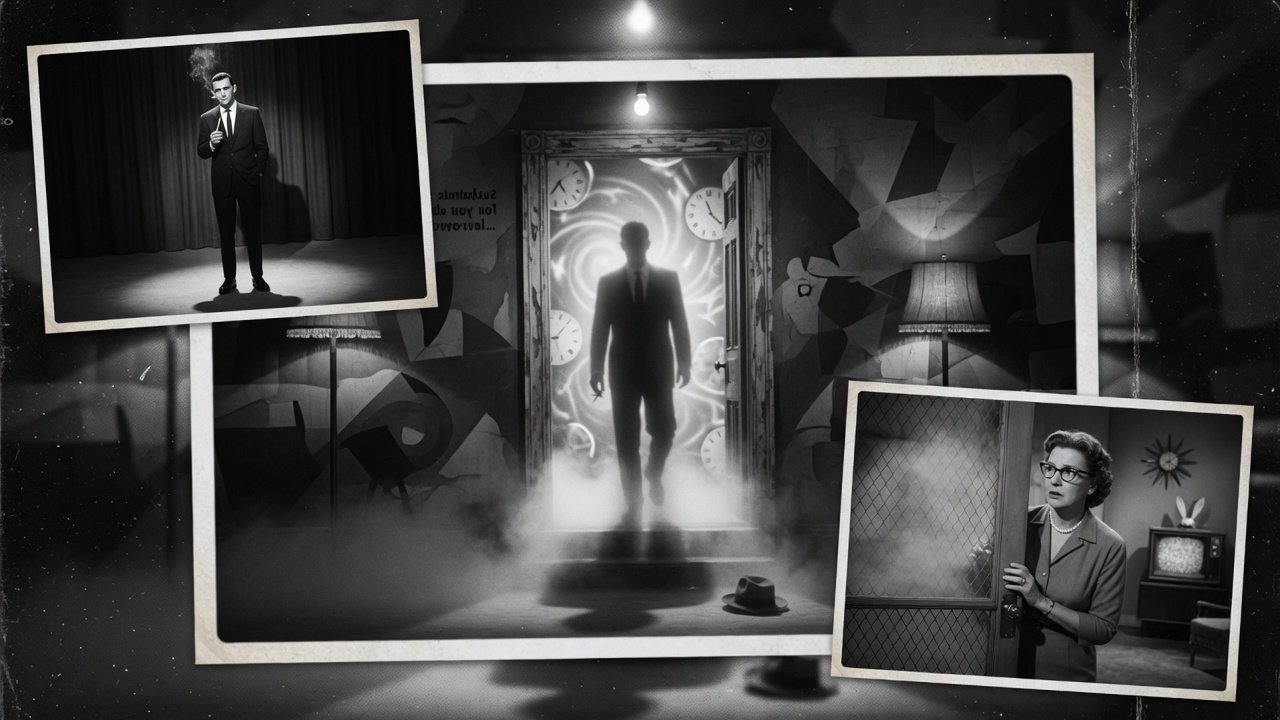
A Black Suit, a Sponsor Note, and a Country That Flinched
Five seasons of moral fable in a tuxedo: isolation as the first instrument, the twist as ethics, and Rod Serling’s war with the men who paid for the commercials.