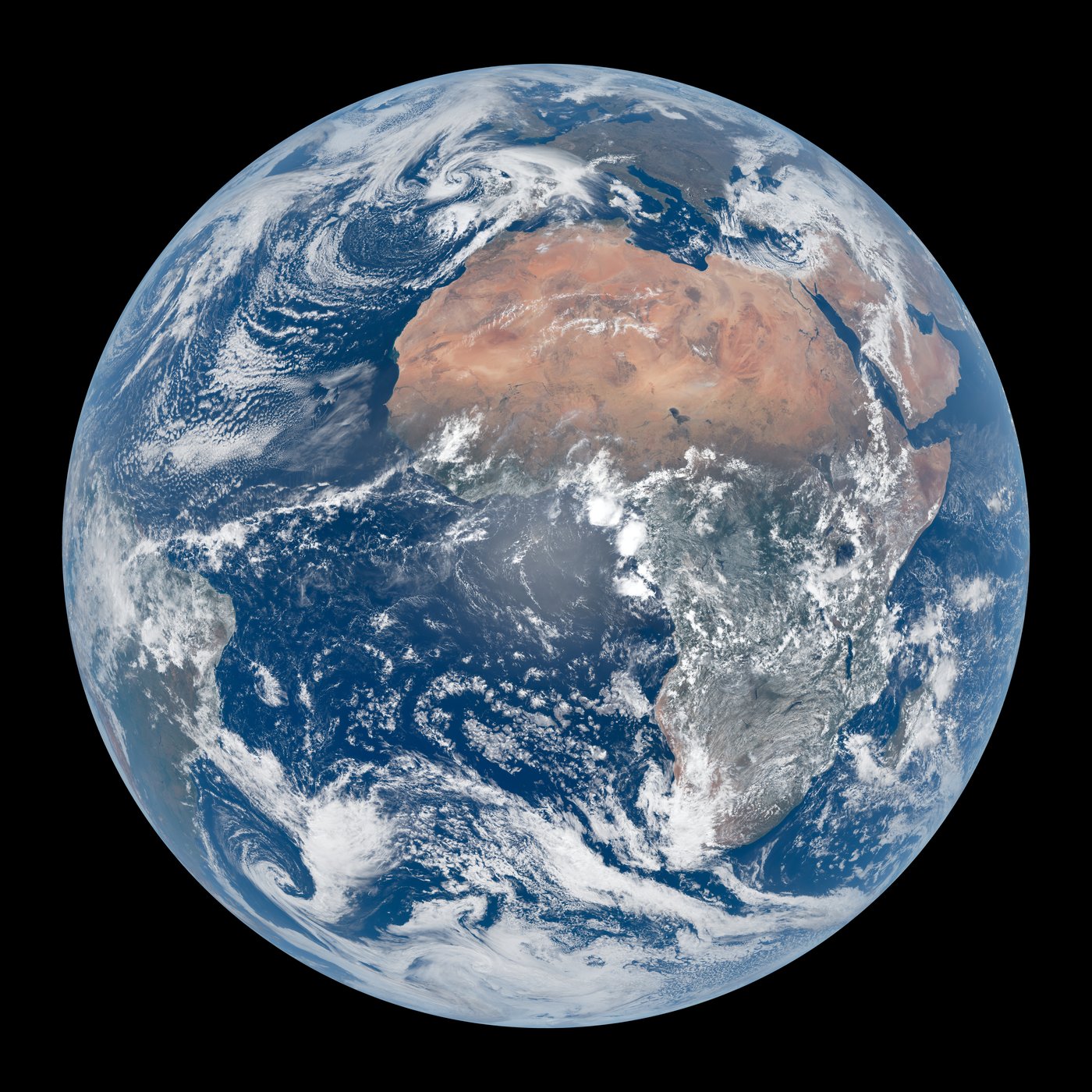
Raised the ceiling for natural-history TV production and Attenborough soft power.
Why it matters
From the desk
Why Planet Earth still plays
The group chat for Planet Earth is just people typing how did they film that until the making-of diaries become the second show, which they kind of are. Alastair Fothergill and the BBC Natural History Unit, David Attenborough whispering, U.S. version on Discovery in 2006: a landmark wildlife series spanning the planet's biomes in then-revolutionary high definition. Earth looking extra-terrestrial. Biomes as set pieces. Awe as a weekly appointment. Eleven episodes, one season, sequels including Planet Earth II. Raised the ceiling every later nature series still jumps for. (I said spoiler-free. The ice is going to wreck you anyway.) Lana can have a gown. This is a planet in couture lighting.
What the timeline decided, falling apart into awe: 1) From Pole to Pole, the 2006 door, extra-terrestrial Earth, I am not fine; 2) Mountains, altitude like a character; 3) Ice Worlds, the frozen-spectacle chapter people still cite, HD turning weather into architecture; 4) Jungles, canopy as a set, the later arms race already implied; 5) Ocean Deep, closer, making-of lore chasing the images out of the room. **The gossip is the making-of. The work is the awe.**
Attenborough soft power. Natural-history spectacle as event television, not background greenery. No host in khaki talking down to you. A whisper over footage that made the planet strange. Sunday as a reason to schedule HD. The tags will stan a snow leopard and a camera team equally. That is correct actually.
From here: mild, unless you count a biome as a spoiler. You do not need a recap of any one animal. You need Pole to Pole, the production flex that still looks like a dare, ice and jungle and ocean. Start at the first whisper. Stay for the diaries. Stay for II when you are ready for the sequel drop. HD as a reason to schedule Sunday: ice, jungle, ocean, a whisper over footage that made the planet strange. Watch production flex that still looks like a dare, biomes as set pieces, Attenborough soft power without a host in khaki talking down to you. BBC Natural History Unit masterpiece, Discovery in the U.S., sequels later. Making-of diaries are the gossip. Awe without condescension is the work. Eleven hours of event greenery.
See you in the tags. I need sleep and a rewatch of Ice Worlds with the sound up. Poll: mountains or ocean. There is no winning. The planet already won.
Episode guide
How this series is filed
TV Flash files Planet Earth (2006) on BBC/Discovery as the episode guide: 11 listed hours across 1 seasons, 2006-03-05–2006-12-10 from “From Pole to Pole” (S01E01) to “Ocean Deep” (S01E11).
Open the episode guide · S01E01 From Pole to Pole · S01E11 Ocean Deep
Essential episodes
Five biome hours: Attenborough's whisper, 2006 HD awe, the ceiling every later nature series still chases. Filed by Tessa Quinn (Spoiler-Free (Mostly)).
- S01E01 From Pole to Pole
From Pole to Pole is the 2006 door: David Attenborough whispering over footage that made Earth look extra-terrestrial, biomes as set pieces.
- S01E11 Ocean Deep
Ocean Deep is the series closer — appointment awe billed, the how-did-they-film-that making-of lore already chasing the images out of the room.
- S01E06 Ice Worlds
Ice Worlds is the frozen-spectacle chapter people still cite: natural-history as event television, HD turning weather into architecture.
- S01E02 Mountains
Mountains is the second-week climb: the production ceiling made visible, Attenborough still treating altitude like a character.
- S01E08 Jungles
Jungles is the canopy chapter — Planet Earth using a biome as a set, the later nature-series arms race already implied in the greenery.
At a glance
A landmark wildlife series spanning the planet's biomes in then-revolutionary high definition — awe as a weekly appointment. Alastair Fothergill and the BBC Natural History Unit, with David Attenborough narrating; the U.S. version aired on Discovery in 2006. Earth looking extra-terrestrial: biomes as set pieces, making-of diaries that asked how did they film that. It spawned sequels including Planet Earth II and raised the ceiling every later nature series still jumps for. Attenborough soft power; natural-history spectacle as event television, not background greenery.
Network & studio
Why watch now
David Attenborough whispers over high-definition footage that made Earth look extra-terrestrial in 2006. Planet Earth is natural-history spectacle as appointment awe — biomes as set pieces, how-did-they-film-that making-of lore, the production ceiling every later nature series still jumps for.
Cultural impact
Planet Earth raised the ceiling for natural-history TV production and Attenborough soft power. Making-of diaries and the forever "how did they film that?" question are the gossip. Watch for production flex that still looks like a dare: ice, jungle, ocean, a whisper over footage that made the planet strange. HD as a reason to schedule the night — awe without a host in khaki talking down to you.
Creators
Alastair Fothergill
Key cast
- David Attenborough as Narrator
Flash facts
- BBC Natural History Unit masterpiece; Alastair Fothergill.
- U.S. version aired on Discovery.
- Spawned sequels including Planet Earth II.
- David Attenborough narrated.
- Landmark 2006 wildlife series in then-revolutionary high definition.
FAQ
BBC or Discovery version?
BBC Natural History Unit masterpiece; U.S. version aired on Discovery. Attenborough whispering over HD biomes is the event.
Do I need Planet Earth II first?
No. 2006 is the ceiling-raiser. Sequels exist because this one made later series jump for the same production bar.
Is it just pretty pictures?
Biomes as set pieces plus how-did-they-film-that lore. Natural-history spectacle as appointment awe, not a screensaver.
Kids' nature show or event TV?
Event television: then-revolutionary high definition, Attenborough soft power, a planet that looked extra-terrestrial in 2006.
Official & further reading
External sites for further reading — TV Flash is not affiliated with these networks or studios.
Back to the decade
Also on the dial
More after Planet Earth
- Related showMythBustersScience with explosions — hypothesis, test, blow something up.
- Related showDeadliest CatchBering Sea crab boats vs. weather, sleep debt, and the ocean.
- Related showThe Thick of ItPolitical spin as verbal artillery — Malcolm Tucker invents new swearing.
- Related showExtrasGervais does Hollywood bit players and celebrity cameo cruelty.
- Related showRomeBlood, marble, and backroom empire — prestige ancient history.
- Related showDoctor Who (2005 revival)The TARDIS returns — timey-wimey as global soft power.