Rewrote educational television with research, diversity, and pop-culture teaching tools.
Why it matters
From the desk
Why Sesame Street still plays
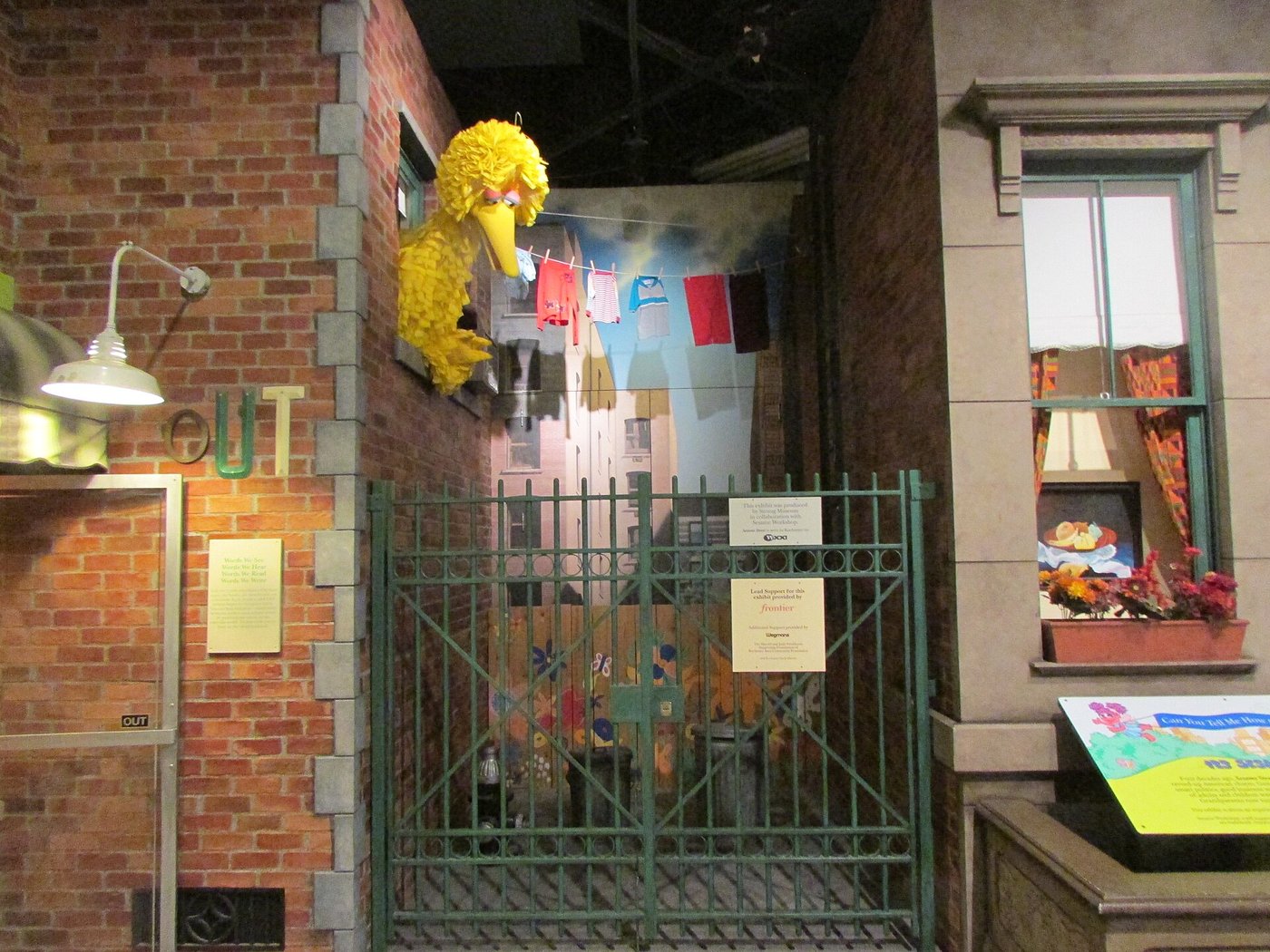
November 10, 1969, is a public-TV drop that treated kids as smart and cities as home. Joan Ganz Cooney and Lloyd Morrisett's Children's Television Workshop mixed Muppets, street scenes, and research-backed teaching into *Sesame Street* on NET, then PBS. Letters and numbers arrived with jokes; diversity was built into the block. Jim Henson and Frank Oz performed the Muppets. Carroll Spinney became Big Bird and Oscar. **Fifty-six seasons and 4,662 episodes** later, the street still has not closed. Rex can keep the secular liturgy talk. This is platform as public service — and the template every later kids' hour is still graded against.
Cookie Monster as soft power is not a cute metric. It is how a hunger gag became furniture, then an international franchise with local co-productions worldwide. Lifelong companions across cultures: that is discovery without a For You page. Entertainment craft in service of literacy, numeracy, and social learning. The gossip is Henson meeting Cooney's mission. The chart is that the Workshop put jokes on the letters and never condescended.
How the block actually opens: 1. *The First Sesame Street* — 1969 contract, city block as home. 2. Day-two character grammar: grouch and Grover mixing street scenes with puppet punchlines. 3. Kermit crooning 'Being Green' — feelings as well as letters. 4. Cookie Monster named as weekly appetite-and-teaching tool. 5. A later named hour (*What Floats Rocco's Boat*) as proof the street never closed after fifty seasons of public TV.
You do not binge 4,662 hours. You sample the 1969 furniture, then hop a later season to confirm the window never dumped the research. Elmo arrived later; the original daylight already held Big Bird, Oscar, Bert, and Ernie. Combined live-action street scenes, animation, and Henson's Muppets — designed with educational research goals, then exported as local co-productions worldwide.
It rewrote educational television with research, diversity, and pop-culture teaching tools, then became the series against which all others are graded. Public-TV daylight, not a merch-first drop: letters and numbers with jokes attached, a city block treated as home. Few programs have shaped early childhood literacy and inclusion messaging so widely — and none of that required a For You page.
Watch it as the grading curve, not as a memory. If a later app buries the street scenes under algorithm chrome, you'll know who lost the room. Sunny day, indeed — still the rare drop that treats a city block as a teaching platform.
Episode guide
How this series is filed
TV Flash files Sesame Street (1969–) on NET/PBS as a season-first catalog of 4662 listed hours across 56 seasons, 1969-11-10–2026-03-09 from “The First Sesame Street” (S01E01) to “TBA” (S56E01).
Open the episode guide · S01E01 The First Sesame Street · S56E01 TBA
Essential episodes
Five public-TV landmarks — Muppets, street scenes, and a 1969 project that still treats kids as smart. Filed by Max Sterling (Streaming Confidential).
- S01E01 The First Sesame Street
The First Sesame Street is the 1969 contract: research-backed teaching, city block as home, Muppets in daylight with the letters.
- S01E02 An Orange Grouch and a Green Grover
An Orange Grouch and a Green Grover — day-two character grammar, the Workshop already mixing street scenes with puppet punchlines.
- S01E03 Kermit Croons "Being Green"
Kermit Croons "Being Green" — early-run song hour as the brand's soft power, jokes attached to feelings as well as letters.
- S01E04 Here Comes Cookie Monster
Here Comes Cookie Monster names a hunger gag that became furniture — the catalog's appetite as a weekly teaching tool.
- S50E18 What Floats Rocco's Boat
What Floats Rocco's Boat — a later named hour as proof the street never closed, still hop-friendly after fifty seasons of public TV.
At a glance
On November 10, 1969, Sesame Street mixed Muppets, street scenes, and research-backed teaching into a children's show that treated kids as smart and cities as home. Joan Ganz Cooney and Lloyd Morrisett's Children's Television Workshop project put Big Bird, Oscar, Bert, Ernie, and later Elmo into public-TV daylight (NET, then PBS). Letters and numbers arrived with jokes; diversity was built into the block. It became the educational series against which all others are graded. Sunny day, indeed.
Network & studio
- PBS — broadcast network
- Sesame Workshop — production studio
- Children's Television Workshop — production studio
Why watch now
Sesame Street mixed Muppets, street scenes, and research-backed teaching into a 1969 public-TV project that treated kids as smart and cities as home. Joan Ganz Cooney and Lloyd Morrisett's Workshop put Big Bird, Oscar, Bert, and Ernie into daylight with jokes attached to letters. Still the template for how television can teach without condescending.
Cultural impact
Sesame Street redefined children's media as research-driven public service and global soft power. Its Muppet characters became lifelong companions across cultures. Few programs have shaped early childhood literacy and inclusion messaging so widely.
Creators
Joan Ganz Cooney · Lloyd Morrisett
Key cast
- Jim Henson as Muppet Performer / Creator
- Frank Oz as Muppet Performer
- Carroll Spinney as Big Bird / Oscar the Grouch
Flash facts
- Debuted November 10, 1969, on NET (later PBS) from the Children's Television Workshop.
- Co-conceived by Joan Ganz Cooney and Lloyd Morrisett.
- Combined live-action street scenes, animation, and Jim Henson's Muppets.
- Designed with educational research goals for literacy, numeracy, and social learning.
- Became an international franchise with local co-productions worldwide.
FAQ
Where should I start?
Any classic street-and-Muppets hour shows the mix: live-action block, animation, Henson characters, letters and numbers with jokes. Early NET/PBS seasons are the civil-rights-era assignment; later years add franchise familiar faces.
Is it only for preschoolers now?
It was designed around research-based learning goals for young children, but the craft — timing, street scenes, Muppet character work — is why adults still sit down. Watch it as the gold standard of educational children's television, not as a relic jingle.
Was it always PBS?
It began on NET and continued as a cornerstone of public television and PBS. The Workshop model, not a commercial Saturday-morning brand, is the point.
Kids' TV or civic project?
Both, on purpose: a research-driven public-service street that treated the city as home. The Muppets are the delivery system for that mission.
Official & further reading
- Hulu — Sesame Street
- Official — Sesame Street
- NET home
- PBS home
- Wikipedia
- IMDb
- TMDB search
- YouTube — trailers & clips
External sites for further reading — TV Flash is not affiliated with these networks or studios.
Back to the decade
Also on the dial
More after Sesame Street
- Related showFiring LineBuckley's polysyllabic sparring — long-form political talk as blood sport and ballet.
- Related showMister Rogers' NeighborhoodCardigan kindness — slow TV that treated children's feelings as sacred.
- Related showDownton AbbeyEdwardian upstairs/downstairs comfort epic — tea, titles, and soft class warfare.
- Related showMr. RobotHacker vigilante unreality — capitalism, mental illness, and terminal windows as aesthetic.
- Related showUpstairs, DownstairsEdwardian townhouse split by class — servants and masters as dual protagonists.
- Related showI, ClaudiusPoison, incest, and imperial gossip — Rome as the nastiest prestige soap.