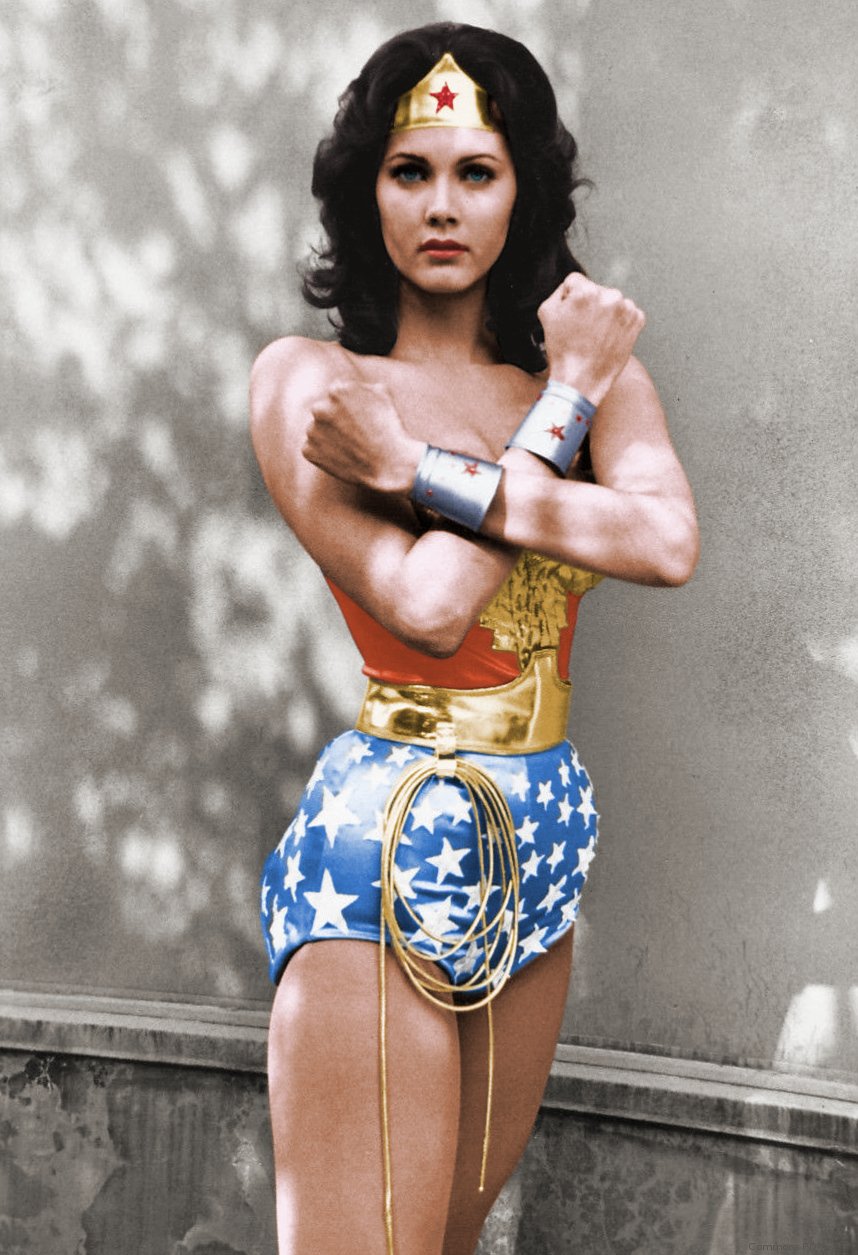
Made a female superhero a viable network franchise in the disco decade.
Why it matters
From the desk
Why Wonder Woman still plays
ABC, then CBS, put a female superhero in a patriotic swimsuit and proved the character could hold a network hour in the disco decade. Wonder Woman (1975–1979 as a franchise run) gave Lynda Carter three seasons, 60 episodes — a short window, not a cinematic universe. Stanley Ralph Ross filtered William Moulton Marston's DC icon through 1970s sparkle. Lyle Waggoner played Steve Trevor across eras; Debra Winger appeared as Drusilla/Wonder Girl. The transformation twirl became a national image before gifs existed. Carter's casting is the production lore that still reads as a perfect drop. Rex can toast the comics. The Halloween aisle signed the contract.
The metric that matters: a viable female-led superhero franchise on U.S. television, costume and twirl iconography becoming permanent. The New Original Wonder Woman is the live-action origin a generation kept — golden lasso sincerity, not a smirk. Fausta: The Nazi Wonder Woman is WWII-season pulp with a double in the title. The Feminum Mystique (1) names island metal as plot, winking at the decade's gender argument while staying adventure first. The Return of Wonder Woman is the CBS modern-era reset: same twirl, new decade clothes. Phantom of the Roller Coaster (2) is the 1979 closer, disco spectacle in the title, Carter's sincerity still the reason the twirl became costume-shop liturgy.
How the window moved: WWII ABC season first, then modernized CBS years. Start with the origin sparkle; the spin is the constant. No comics homework required. Period charm is the packaging, not a knock against the lasso. Style is part of the argument. Light superhero action with family-hour manners. Later adaptations still negotiate with Carter's shadow; that is sequel energy, not a reason to skip the hour.
If they only clip the twirl, you'll know who lost the mission. Sincerity is the special effect. Sixty episodes. Two network logos. One silhouette the decade could not put down. Watch it as superhero TV history with period charm, not grimdark homework.
The analog: a disco-decade franchise that treated a woman as the whole SKU, then ended before the cinematic reboot cycle. Inventory as culture. The bracelets still clang. If they bury the WWII season, you'll know who lost the origin.
Episode guide
How this series is filed
TV Flash files Wonder Woman (1975–1979) on ABC/CBS as the episode guide: 60 listed hours across 3 seasons, 1975-11-07–1979-09-11 from “The New Original Wonder Woman” (S01E01) to “Phantom of the Roller Coaster (2)” (S03E24).
Open the episode guide · S01E01 The New Original Wonder Woman · S03E24 Phantom of the Roller Coaster (2)
Essential episodes
Lynda Carter's twirl as franchise: WWII ABC glory, modern CBS years, lasso sincerity still in Halloween gold. Filed by Max Sterling (Streaming Confidential).
- S01E01 The New Original Wonder Woman
The New Original Wonder Woman is the live-action origin a generation kept. Carter spins into patriotic swimsuit glory; golden lasso sincerity, not a smirk, as the 1975 brief.
- S01E03 Fausta: The Nazi Wonder Woman
Fausta: The Nazi Wonder Woman is WWII-season pulp with a double in the title. Female superhero as viable disco-decade franchise, still playing period adventure without camp apology.
- S01E05 The Feminum Mystique (1)
The Feminum Mystique (1) names the island metal as plot. Title winking at the decade's gender argument while the lasso hour stays adventure first — style as a superpower.
- S02E01 The Return of Wonder Woman
The Return of Wonder Woman is the CBS modern-era reset. Same twirl, new decade clothes: the franchise proving it could leave the 1940s and still sell Halloween gold.
- S03E24 Phantom of the Roller Coaster (2)
Phantom of the Roller Coaster (2) is the 1979 closer. Disco-era spectacle in the title; Carter's sincerity still the reason the twirl became permanent costume-shop liturgy.
At a glance
Lynda Carter spun into television immortality as Diana Prince/Wonder Woman — first in a WWII-set ABC season, then in modernized CBS years (1975–1979 overall as a franchise run). Patriotic swimsuit glory met light adventure; the transformation twirl became a national gif before gifs. Lyle Waggoner played the Steve Trevor role across eras. It was feminist iconography filtered through 1970s network sparkle. The bracelets still clang in cultural memory.
Network & studio
Why watch now
Lynda Carter spins into the live-action Wonder Woman a generation kept: patriotic swimsuit glory, golden lasso, WWII ABC season then modern CBS years. Female superhero as viable disco-decade franchise. Sincerity, style, and a twirl that became Halloween permanent.
Cultural impact
The series fixed Lynda Carter as the Wonder Woman for generations and mainstreamed a female superhero lead on U.S. television. Costume and twirl iconography became Halloween permanent. Later DC adaptations still negotiate with Carter's shadow.
Creators
Stanley Ralph Ross
Key cast
- Lynda Carter as Diana Prince / Wonder Woman
- Lyle Waggoner as Steve Trevor
- Debra Winger as Drusilla / Wonder Girl
Flash facts
- Live-action Wonder Woman series starring Lynda Carter; overall run 1975–1979 across networks/formats.
- Early season associated with WWII-period ABC storytelling; later seasons modernized at CBS.
- Lyle Waggoner co-starred in the Steve Trevor role lineage.
- Famous for Carter's spin transformation and iconic costume.
- Based on the DC Comics character created by William Moulton Marston.
FAQ
WWII season or the modern CBS years?
Start with Carter's ABC WWII-period hour for the origin sparkle, then the CBS modernization if you want the later franchise run. The spin is the constant.
Do I need the comics first?
No. It is a 1970s live-action DC adventure with family-hour manners. Marston's character is the source; Carter's twirl is the television.
Is it too camp to take as superhero history?
Period charm is the packaging. It is still the female-led superhero franchise that proved the character could hold a network hour.
Action, fantasy, or fashion show?
Light superhero action with costume iconography. Style is part of the argument — not a knock against the lasso.
Official & further reading
External sites for further reading — TV Flash is not affiliated with these networks or studios.
Back to the decade
Also on the dial
More after Wonder Woman
- Related showThe Paper ChaseLaw school as blood sport — Professor Kingsfield terrifies a generation of pre-law kids.
- Related showThe Sonny & Cher Comedy HourI got you babe — marital sparring as variety gold before the divorce plot twist.
- Related showThe Young and the RestlessGenoa City boardrooms and bedrooms — youth, wealth, and that theme song.
- Related showHee HawCornfield vaudeville — country music, cornball sketches, and rural syndication power.
- Related showMatch GameBlank the blank — celebrity panel innuendo as daytime sport.
- Related showThe White ShadowWhite coach, mostly Black high-school team — gym class as social drama.