Emily in Paris
Fashion postcard fantasy that critics hate and audiences refresh weekly.
Production studio
Paramount Television Studios is a Paris mood board, a drifter who ends towns with his hands, twin sitcom voltage, and a space station that refused to stay a backwater. Emily in Paris, Reacher, Sister, Sister, and Star Trek: Deep Space Nine share the TV Flash page — postcard comedy, airport-novel action, mid-nineties sparkle, and serialized Trek that made politics the adventure.
Emily in Paris is Darren Star's postcard comedy: Lily Collins as American cluelessness in haute couture, every think piece about whether it is good feeding the wardrobe machine. Reacher is the opposite temperature — Alan Ritchson walking into conspiracies, fight geography that respects physics just enough. Same hub, zero shared weather.
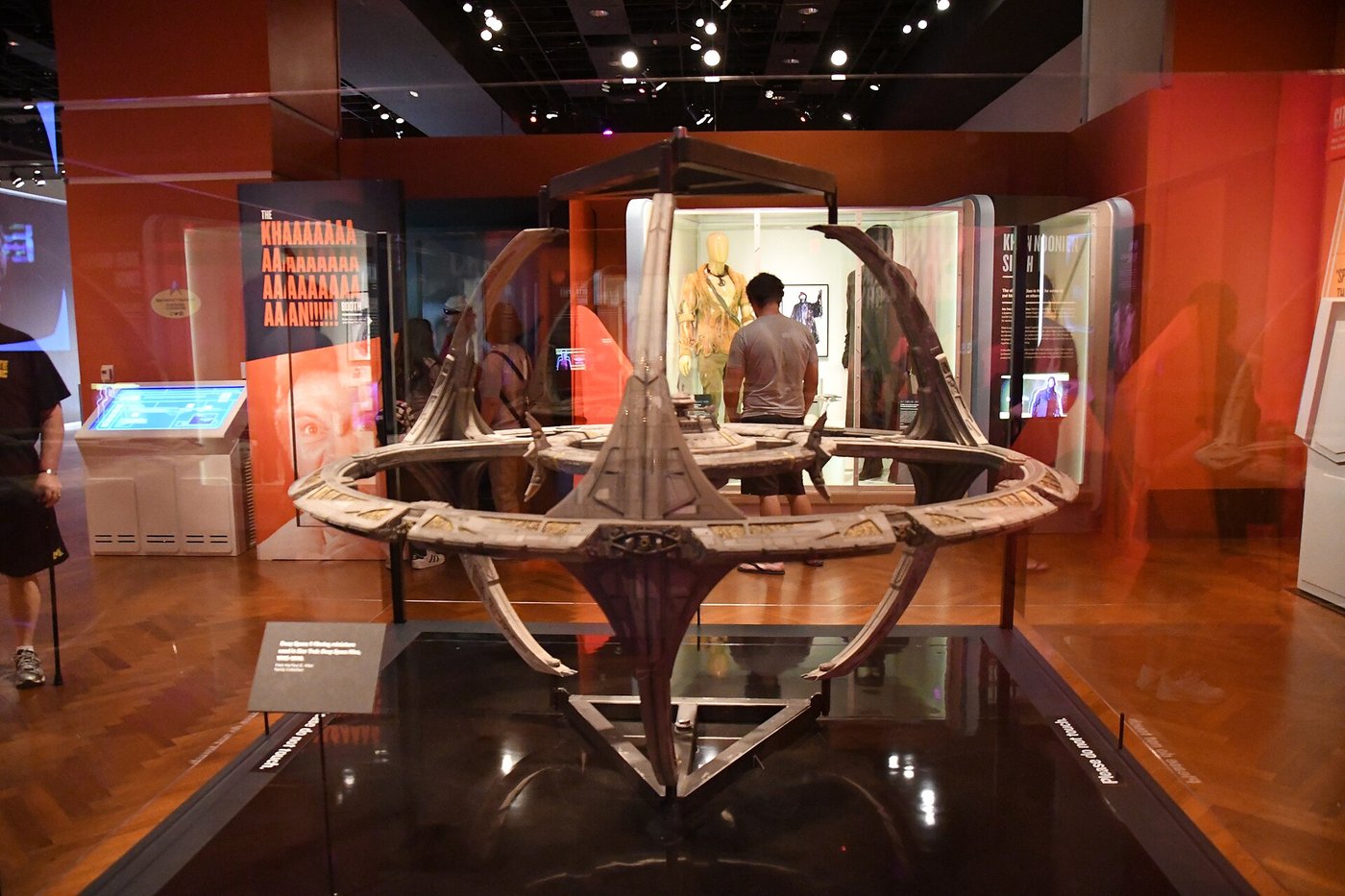
Sister, Sister is Tia and Tamera as twin sitcom voltage: switch gags, two households, mid-nineties youth multi-cam at full sparkle. Star Trek: Deep Space Nine is the franchise staying put — a station, a war, politics as weekly adventure instead of a new planet every hour. The slate is fashion week next to a war table next to a TGIF living room.
Emily in Paris, Reacher, Sister, Sister, and Star Trek: Deep Space Nine.
Deep Space Nine if you want the long argument. Reacher if you want the punch. Emily in Paris if you came for the wardrobe and the argument about taste. Sister, Sister if you need the sparkle.
A deliberately odd mix: postcard Paris, Reacher's small-town wreckage, twin-switch sitcom, and Trek that sits still long enough to have politics. Not a brand sentence. Four shows that refuse to match.
Catalog
Fashion postcard fantasy that critics hate and audiences refresh weekly.
Big guy solves small-town conspiracies — pure airport-novel dopamine.
Tia and Tamera — twin sitcom energy that defined mid-’90s youth multi-cam.
Trek stays put — serialized war, religion, and politics on a space station.