British sci-fi landmark that invented TV regeneration and multi-decade continuity play.
Why it matters
From the desk
Why Doctor Who still plays
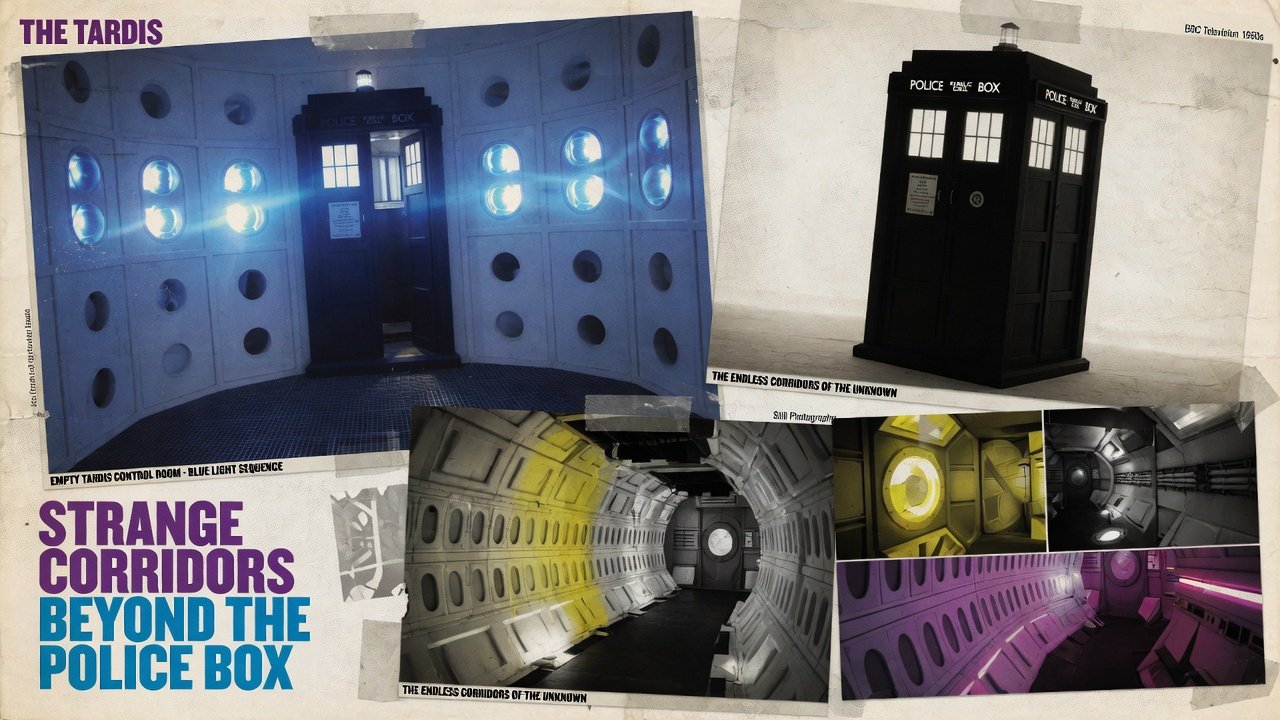
November 23, 1963, is a drop that never really parked. BBC's *Doctor Who* launched a Time Lord and a blue police box bigger on the inside, then treated the lead as renewable inventory. **Regeneration is the window.** Sydney Newman, C. E. Webber, and Donald Wilson were among the early architects. Early black-and-white serials built the mythology; companions, sonic screwdrivers, and cliffhangers became ritual. Rex wants woolly national inheritance. Fine. The business model is recasting without ending the show.
William Hartnell's First Doctor to Patrick Troughton's Second is the franchise trick in one handoff. Jon Pertwee's Third Doctor is the color-years middle landmark. Daleks entered the language because *The Dead Planet* proved a creature brand could outlive a single Time Lord. A 21st-century revival from 2005 introduced the mythology to new global audiences, but the 1960s serials are where the TARDIS, regeneration, and Daleks became the catalog's actual SKU. Sci-fi as endlessly renewable IP, not a shrine.
How the classic lease charts: 1. *An Unearthly Child, Part One* — police-box contract, Hartnell's first step. 2. *The Dead Planet* — Dalek brand that outlives a face. 3. *The Tomb of the Cybermen, Part One* — Troughton-era life-support already on. 4. Pertwee color serials as mid-run craft in weekly parts. 5. *Survival, Part Three* (1989) closes the classic run as a door, not a dead franchise.
The input counts **700 episodes across 26 seasons** of that classic machine, with hiatuses into the present. Dump culture binge-reads a serial that was built in weekly parts. The cliffhanger was the original 'see you next Thursday.' Fandom became a culture because the lead could change. Few series have regenerated their own relevance so literally.
Woolly, weird, endlessly renewable: that is the brand copy. The actual trick is that Hartnell-to-Troughton proved the lead could change without ending the show, which is why the 2005 revival could even exist as a window and not a reboot funeral. Daleks, TARDIS, companions — signature elements as catalog SKUs. Britain's defining science-fiction export, if you insist on the shrine language. Franchise longevity through recasting, if you watch the chart.
Watch the 1960s serials as the origin window, not as homework for the revival. If a later platform buries Hartnell under the 2005 chrome, you'll know who lost the room. The police box was always bigger on the inside. The calendar still starts in 1963.
Episode guide
How this series is filed
TV Flash files Doctor Who (1963–) on BBC as a season-first catalog of 700 listed hours across 26 seasons, 1963-11-23–1989-12-06 from “An Unearthly Child (An Unearthly Child, Part One)” (S01E01) to “Survival, Part Three” (S26E14).
Open the episode guide · S01E01 An Unearthly Child (An Unearthly Child, Part One) · S26E14 Survival, Part Three
Essential episodes
Five classic landmarks — police box, regeneration, and the BBC franchise that never really parked. Filed by Max Sterling (Streaming Confidential).
- S01E01 An Unearthly Child (An Unearthly Child, Part One)
An Unearthly Child, Part One — November 1963, the police box as bigger-on-the-inside contract and Hartnell's first step into myth.
- S01E05 The Dead Planet (The Daleks, Part One)
The Dead Planet opens The Daleks: the creature brand that proved the show could outlive a single Time Lord.
- S05E01 The Tomb of the Cybermen, Part One
The Tomb of the Cybermen, Part One — Troughton-era landmark, regeneration already the franchise life-support.
- S10E17 Planet of the Daleks, Part Three
Planet of the Daleks, Part Three — Pertwee color years as a middle landmark, serial craft still built in weekly parts.
- S26E14 Survival, Part Three
Survival, Part Three closes the 1989 classic run: a catalog door, not a dead franchise, before the later revival.
At a glance
A mysterious Time Lord and a blue police box bigger on the inside launched from BBC One on November 23, 1963, and never really parked. Doctor Who regenerates its lead, reboots its tone, and still chases Daleks across generations of British (and global) fandom. Early black-and-white serials built the mythology; later revivals turned it into a modern franchise. Companions, sonic screwdrivers, and cliffhangers became ritual. It is sci-fi as national inheritance — woolly, weird, and endlessly renewable.
Network & studio
- BBC — broadcast network
Why watch now
A Time Lord, a police box bigger on the inside, and regeneration as infinite franchise life: Doctor Who launched from the BBC in 1963 and never really parked. Early black-and-white serials built the mythology; Hartnell-to-Troughton proved the lead could change without ending the show. The longest experiment in serialized reinvention — woolly, weird, endlessly renewable.
Cultural impact
Doctor Who became Britain's defining science-fiction export and a model for franchise longevity through recasting. Daleks entered the language; fandom became a culture. Few series have regenerated their own relevance so literally.
Creators
Sydney Newman · C. E. Webber · Donald Wilson
Key cast
- William Hartnell as The First Doctor
- Patrick Troughton as The Second Doctor
- Jon Pertwee as The Third Doctor
Flash facts
- BBC sci-fi series premiered November 23, 1963; continued with hiatuses into the present.
- Developed by Sydney Newman with C. E. Webber and Donald Wilson among early architects.
- Title character regenerates, allowing recasting across decades.
- Signature elements include the TARDIS, companions, and recurring foes such as the Daleks.
- Major 21st-century revival (from 2005) introduced the show to new global audiences.
FAQ
Where should I start with the 1960s serials?
William Hartnell's First Doctor is the origin of the TARDIS-and-companions contract. Patrick Troughton's Second Doctor is the proof that regeneration works. Start at a serial whose surviving episodes interest you; missing-episode gaps are part of the classic-era weather.
Do I have to watch in order through modern Who?
No. Regeneration is the on-ramp: you can enter at a Doctor. The 2005 revival continues the same core mythology with new production eras; it is not required homework for the 1960s serials.
Why do different actors play the Doctor?
The character regenerates — an in-story device that allows recasting. That is why the series could outlive any one lead and become a multi-decade continuity play.
Sci-fi adventure or franchise puzzle?
Adventure first: serial cliffhangers, Daleks, companions. The mythology stack is what you stay for if the regeneration trick hooks you.
Official & further reading
- BBC — Doctor Who
- Official — Doctor Who
- BBC home
- Wikipedia
- IMDb
- TMDB search
- YouTube — trailers & clips
External sites for further reading — TV Flash is not affiliated with these networks or studios.
Back to the decade
Also on the dial
More after Doctor Who
- Related showMonty Python's Flying CircusAnd now for something completely different — surreal sketch anarchy from Britain.
- Related showFleabagFourth-wall confession as weapon — hot priest discourse included.
- Related showThe Quatermass ExperimentBritish rocket horror on a shoestring — the serial that terrified a nation and taught TV to do dread.
- Related showI, ClaudiusPoison, incest, and imperial gossip — Rome as the nastiest prestige soap.
- Related showFawlty TowersDon't mention the war — 12 episodes of hotelier rage perfected.
- Related showBlackadderBritish historical sitcom escalator from medieval snark to WWI gut-punch.