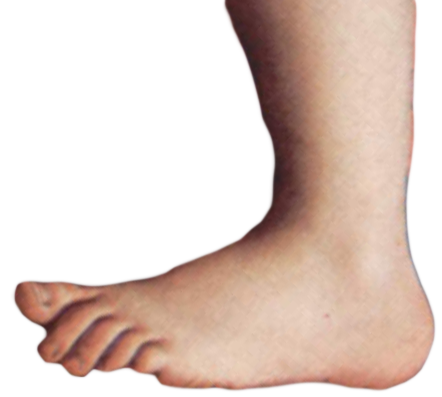
Rewired sketch comedy's structure; stream-of-consciousness TV that went global.
Why it matters
From the desk
Why Monty Python's Flying Circus still plays
The work is a sketch that refuses the bow. Monty Python's Flying Circus arrived from the BBC on October 5, 1969, and rewired sketch comedy: no punchline safety net, Gilliam cutouts, six Oxbridge wits treating television as a collage. Graham Chapman, John Cleese, Terry Gilliam, Eric Idle, Terry Jones, and Michael Palin wrote and performed four seasons into 1974. Absurdism, callbacks, animated interstitial madness. And now for something completely different. Gossip will file the troupe as a cult export; the cut says stream-of-consciousness structure that made later sketch shows look tidy by comparison.
It went global in U.S. syndication in the 1970s and still supplies catchphrases on demand. British absurdism jumping the Atlantic. Four BBC seasons, written and performed by the six-member troupe, then a major U.S. cult import that reshaped sketch comedy worldwide. Late-sixties launch, forever influence. No safety nets. The tabloids will say Oxford/Cambridge wit; the hour says collage as the form — sketches that do not bow, animation as interstitial argument, callbacks as architecture.
What the series is arguing, in brief: Whither Canada? as the 1969 BBC contract; How to Recognise Different Types of Trees from Quite a Long Way Away as the joke about lectures with Gilliam already cutting in; Scott of the Antarctic as a second-season landmark packing a theme without a sitcom reset; The Cycling Tour as the rare almost-narrative door, still a collage; Party Political Broadcast closing 1974 as catalog tail of sketch comedy that went global in syndication. Forty-five episodes. Hop. The form is the assignment.
People treating television like a crime blotter will skip to the catchphrases and call it a souvenir. Fair footnote. The text is still four seasons of refusing the punchline bow — stream-of-consciousness TV, Gilliam cutouts, a troupe that wrote and performed the collage. Permission to take the anarchy as structure. Later sketch shows looking tidy is the evidence, not a diss track.
The verdict is closed: Python rewired sketch comedy's structure from a late-sixties BBC launch and then went global. Watch Whither Canada? and a mid-run collage hour. The catchphrases will outlive the craft in the blotter, and that is unfortunately also part of television history. The craft remains the refusal to bow. No safety nets. Completely different, on purpose.
Episode guide
How this series is filed
TV Flash files Monty Python's Flying Circus (1969–1974) on BBC as the episode guide: 45 listed hours across 4 seasons, 1969-10-05–1974-12-05 from “Whither Canada?” (S01E01) to “Party Political Broadcast” (S04E06).
Open the episode guide · S01E01 Whither Canada? · S04E06 Party Political Broadcast
Essential episodes
No punchline bow — Gilliam cutouts, Oxbridge collage, five BBC hours that rewired sketch comedy. Filed by Julian Hart (The Binge Brief).
- S01E01 Whither Canada?
Whither Canada? is the 1969 BBC contract: six wits, no punchline bow, television treated as a collage from the first sketch.
- S01E03 How to Recognise Different Types of Trees from Quite a Long Way Away
How to Recognise Different Types of Trees from Quite a Long Way Away — title as the show's joke about lectures, Gilliam already cutting in.
- S02E10 Scott of the Antarctic
Scott of the Antarctic is a second-season landmark hour: British absurdism packing a whole theme without a sitcom reset.
- S03E08 The Cycling Tour
The Cycling Tour — mid-run title as the rare almost-narrative door, still a collage rather than a plotted recap.
- S04E06 Party Political Broadcast
Party Political Broadcast closes 1974: catalog tail of sketch comedy that went global in syndication and still supplies catchphrases on demand.
From the desk
Flash columns that open this package’s pilots, finales, or fandom heat:
- The Binge Brief: British Imports That Still Cut — Python, Yes Minister, Blackadder, SCTV — The Binge Brief
At a glance
A British troupe demolishes sketch rules with absurdism, callbacks, and animated interstitial madness — no punchline safety nets. Monty Python's Flying Circus arrived from the BBC on October 5, 1969: Graham Chapman, John Cleese, Terry Gilliam, Eric Idle, Terry Jones, and Michael Palin wrote and performed four seasons into 1974. Gilliam cutouts, six wits treating television as a collage. It became a major cult import in the U.S. in the 1970s and still supplies catchphrases on demand. Late-sixties launch, forever influence — stream-of-consciousness TV that made later sketch shows look tidy by comparison.
Network & studio
- BBC — broadcast network
- British Broadcasting Corporation — production studio
Why watch now
Monty Python's Flying Circus arrived from the BBC in 1969 and rewired sketch comedy: no punchline bow, Gilliam cutouts, and six Oxbridge wits treating television as a collage. It went global in syndication and still supplies catchphrases on demand. British absurdism jumping the Atlantic — stream-of-consciousness TV that made later sketch shows look tidy by comparison.
Cultural impact
Monty Python's Flying Circus rewired sketch comedy's structure and went global as stream-of-consciousness television. Four BBC seasons became a major 1970s U.S. cult import and reshaped sketch comedy worldwide. British absurdism jumping the Atlantic — no safety nets, callbacks and cutouts as the grammar, catchphrases on demand long after 1974.
Creators
Graham Chapman · John Cleese · Terry Gilliam · Eric Idle · Terry Jones · Michael Palin
Key cast
- John Cleese as Various
- Michael Palin as Various
- Eric Idle as Various
- Terry Jones as Various
- Graham Chapman as Various
- Terry Gilliam as Various / Animation
Flash facts
- BBC sketch series premiered October 5, 1969 (four seasons into 1974).
- Written and performed by Graham Chapman, John Cleese, Terry Gilliam, Eric Idle, Terry Jones, and Michael Palin.
- Gilliam animation as interstitial madness; no punchline safety nets.
- Became a major cult import in the U.S. in the 1970s.
- Reshaped sketch comedy worldwide; still supplies catchphrases on demand.
FAQ
Where should I start?
Any early BBC hour with a Gilliam cutout and a sketch that refuses to bow is the collage contract. Four seasons; the troupe is the constant, not a guest host.
Do I need all four seasons?
It is a short, dense run. You can graze catchphrases, but the no-punchline structure rewards watching complete hours rather than isolated bits pulled from later fame.
Is the U.S. syndication version the same show?
The series is BBC; U.S. cult import in the 1970s spread it. Watch the troupe's hours as British sketch anarchy, not as an American network variety copy.
Sketch comedy or something weirder?
Surreal sketch that demolishes the form: stream-of-consciousness, animation, no safety-net punchlines.
Official & further reading
External sites for further reading — TV Flash is not affiliated with these networks or studios.
Back to the decade
Also on the dial
More after Monty Python's Flying Circus
- Related showDoctor WhoA time-traveling renegade in a police box — regeneration as infinite franchise life.
- Related showFleabagFourth-wall confession as weapon — hot priest discourse included.
- Related showThe Quatermass ExperimentBritish rocket horror on a shoestring — the serial that terrified a nation and taught TV to do dread.
- Related showI, ClaudiusPoison, incest, and imperial gossip — Rome as the nastiest prestige soap.
- Related showFawlty TowersDon't mention the war — 12 episodes of hotelier rage perfected.
- Related showBlackadderBritish historical sitcom escalator from medieval snark to WWI gut-punch.