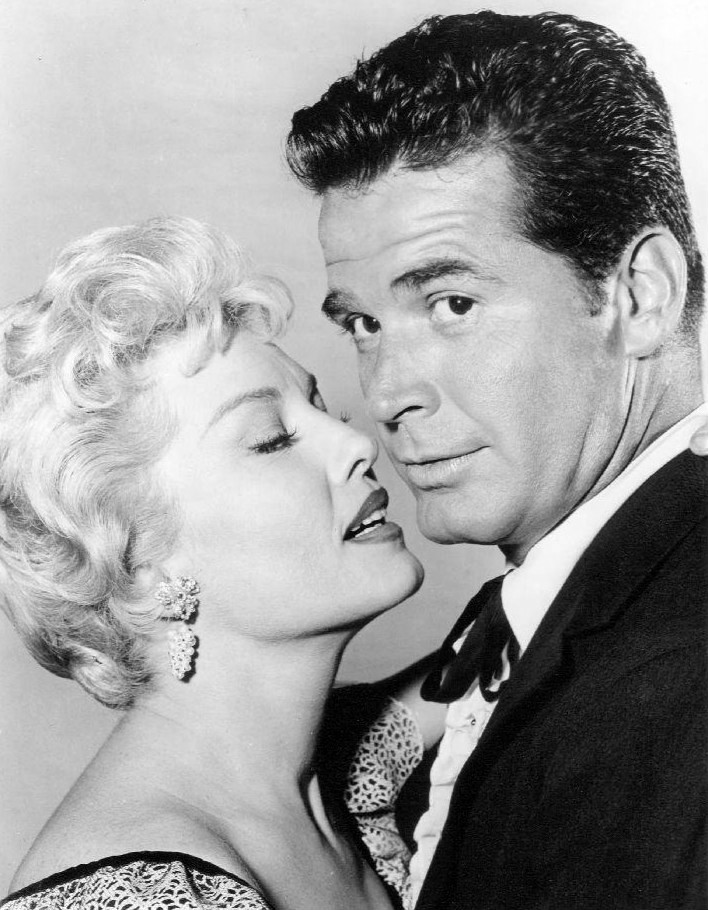
Subverted cowboy machismo with charm and irony; James Garner's star-making vehicle.
Why it matters
From the desk
Why Maverick still plays
Flash: a poker table where the rest of the night is still glaring, a gambler who would rather fold than pose, and a Warner Bros. contract already waiting to be a walkout. ABC's *Maverick* (1957–1962), 124 episodes, five seasons, Roy Huggins's western that winked. James Garner as Bret Maverick, Jack Kelly as brother Bart, later Roger Moore as cousin Beau and Robert Colbert as Brent. Charm and irony did the shooting. **The coolest walkout in cowboy clothes is the story.**
Garner's contract fight with Warner Bros. is classic studio-system rebellion lore — star power versus the factory, which the museum guard will footnote as production history while the lobby is on fire. The series subverted cowboy machismo from inside the Warner machine. Emphasized con artistry and humor over pure shootout plotting. Bret preferred a deck to a six-gun, and that preference is the whole joke of the western boom: charm as a substitute for machismo while the rest of the night still glared. *Maverick* redefined the TV western as character comedy and made Garner a franchise unto himself. The gambler-as-hero template influenced later charming rogues across genres. Cast substitutions became an early case study because the brand was a clan of charming cowards, still allergic to a fair gunfight. Contract battles are the heat. The wink is the show.
Who was where: Huggins in the shop; Garner in the star-making open *War of the Silver Kings*, cards before bullets; *According to Hoyle* as the house rules of a gambler hero, charm as substitute for machismo in a crowded western night. *The Day They Hanged Bret Maverick* is season-two title as fake funeral, the wink western advertising its own myth in the log line. *Pappy* opens year three on family legend.
*One of Our Trains is Missing* closes 1962: titled caper farewell after the studio-system rebellion. One almost-empathy beat for the extra who had to look tough while Garner folded on purpose. ABC, 1957–1962: a Warner western that treated the poker table as the real frontier.
Door close: watch it as the antihero who would rather bluff. Later prestige cowboys will call this irony. The rope already knew. The hat was the costume. The cards were the heat.
Episode guide
How this series is filed
TV Flash files Maverick (1957–1962) on ABC as the episode guide: 124 listed hours across 5 seasons, 1957-09-22–1962-04-22 from “War of the Silver Kings” (S01E01) to “One of Our Trains is Missing” (S05E13).
Open the episode guide · S01E01 War of the Silver Kings · S05E13 One of Our Trains is Missing
Essential episodes
The western that winked — Garner's gambler preferring cards to bullets, charm over machismo. Filed by Vivian Cross (The Carpet Report).
- S01E01 War of the Silver Kings
War of the Silver Kings: Garner's star-making open, cards before bullets, Warner Bros. trail already a contract waiting to be fought.
- S01E03 According to Hoyle
According to Hoyle — titled as the house rules of a gambler hero, charm as substitute for machismo in a crowded western night.
- S02E01 The Day They Hanged Bret Maverick
The Day They Hanged Bret Maverick: season-two title as fake funeral, the wink western advertising its own myth in the log line.
- S03E01 Pappy
Pappy opens year three on family legend — the Maverick brand as a clan of charming cowards, still allergic to a fair gunfight.
- S05E13 One of Our Trains is Missing
One of Our Trains is Missing closes 1962: titled caper farewell after the coolest studio-system rebellion in a cowboy hat.
At a glance
James Garner's Bret Maverick preferred cards to gunfire and charm to sermons on ABC's Maverick (1957–1962). The Warner Bros. western flipped frontier macho into comic antihero cool — a gambler who talked his way out of trouble more often than he shot through it. Jack Kelly's Bart Maverick and later Roger Moore's Beau expanded the family franchise when production realities demanded it. Witty scripts and Garner's raised eyebrow made the Old West feel like a sophisticated con. When Garner walked over a contract fight, the legend only grew.
Network & studio
- ABC — broadcast network
Why watch now
Maverick is the western that winked: James Garner's gambler hero preferring cards to bullets, charm as a substitute for machismo. Watch it in 2026 as Garner's star-making vehicle and a classic studio-system rebellion tale — the Warner Bros. contract fight still reads as the coolest walkout in cowboy clothes.
Cultural impact
Maverick redefined the TV western as character comedy and made Garner a franchise unto himself. Its gambler-as-hero template influenced later charming rogues across genres. Contract battles and cast substitutions became early case studies in star power versus studio machine.
Creators
Roy Huggins
Key cast
- James Garner as Bret Maverick
- Jack Kelly as Bart Maverick
- Roger Moore as Beau Maverick
- Robert Colbert as Brent Maverick
Flash facts
- ABC western that aired 1957–1962, produced by Warner Bros. Television.
- James Garner starred as Bret Maverick; Jack Kelly played brother Bart Maverick.
- Roger Moore later joined as cousin Beau Maverick during the run.
- Emphasized con artistry and humor over pure shootout plotting.
- Garner's later exit/contract dispute became part of the show's production lore.
FAQ
Where should I start?
Start with James Garner's Bret — cards before bullets is the brief. Get the wink before you worry about later lead changes.
What can I skip?
Skip the idea that you must follow every brother and replacement stretch. If Garner is gone from the frame, you are in a different show wearing the same title.
Is it still worth it?
Yes, as the western that refused to take the hat entirely seriously. Garner's charm is the revision.
Straight western or comedy?
Comic western — gambler antihero and irony, not a grim gunfighter sermon.
Official & further reading
External sites for further reading — TV Flash is not affiliated with these networks or studios.
Back to the decade
Also on the dial
More after Maverick
- Related showLife Is Worth LivingBishop Sheen vs. Milton Berle in the ratings — a chalkboard and a cape beat vaudeville some weeks.
- Related showThe Ernie Kovacs ShowVisual gags, blackouts, and Nairobi Trio — the medium inventing itself for laughs.
- Related showRocky and His FriendsA flying squirrel, a moose, and Cold War satire — Jay Ward's anarchic gift at decade's end.
- Related showKukla, Fran and OllieAd-lib puppets and Fran Allison — gentle absurdity that adults watched without irony.
- Related showSky KingArizona rancher with a Cessna — aviation adventure for kids who wanted wings.
- Related showThe United States Steel HourIndustrial giant, theatrical punch — live drama with a steel-hard production sheen.