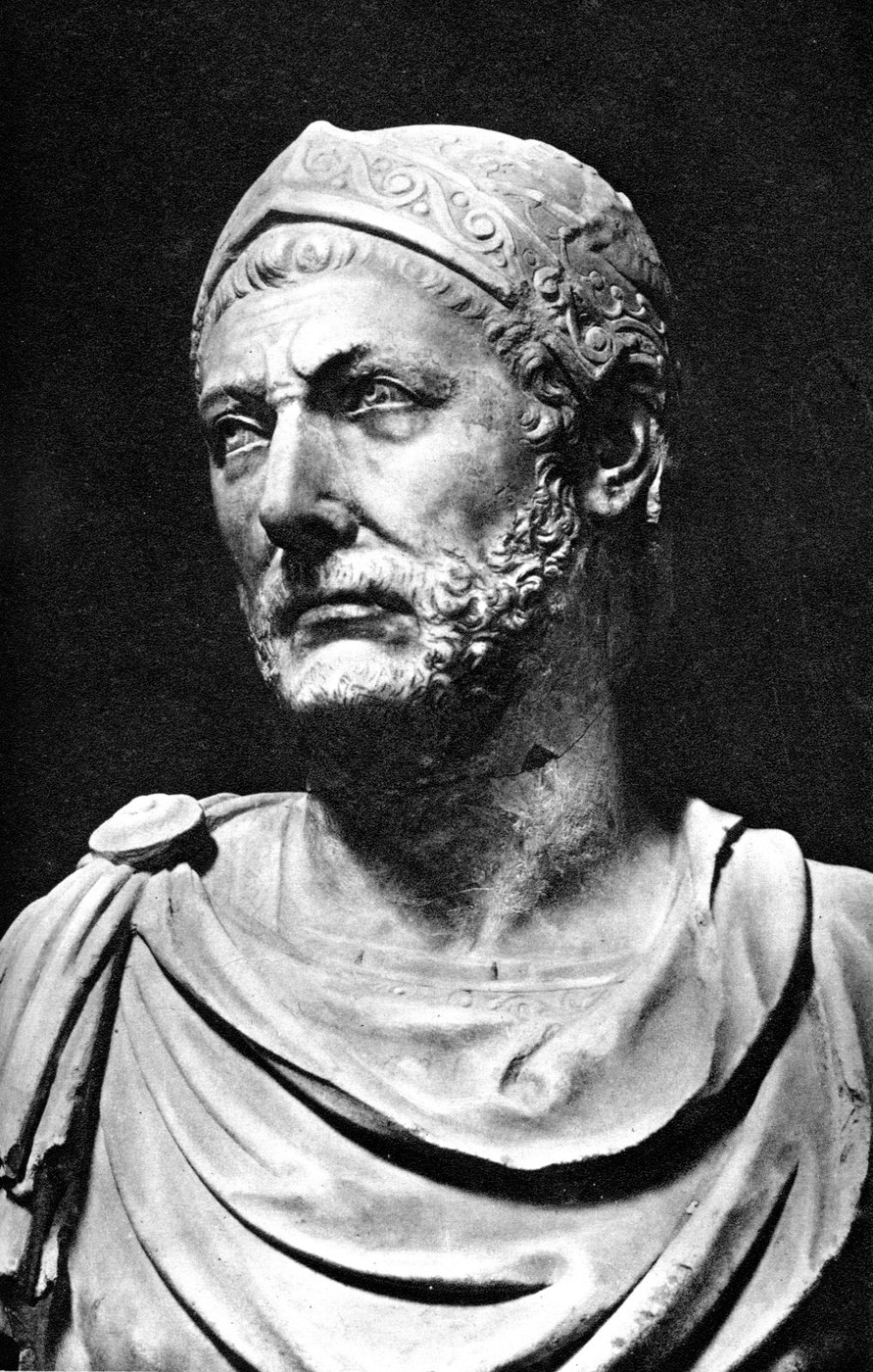
Pushed network standards for beauty and gore; cult immortality after short run.
Why it matters
From the desk
Why Hannibal still plays
A plate arrives, and the conversation feels like autopsy. Bryan Fuller developed Thomas Harris's characters for NBC (April 4, 2013) and pushed network standards for beauty and gore until cancellation made *Hannibal* a cult immortal. Hugh Dancy's Will Graham and Mads Mikkelsen's Lecter enter a lethal, intimate dance of empathy and appetite. Gillian Anderson, Laurence Fishburne, Caroline Dhavernas orbit the table. Crime cases are edible still lifes. Food porn, mind palaces, queer-coded dread. The work is the plating.
Three seasons (2013–2015), thirty-nine episodes, then streaming afterlife and endless revival hunger. Murder-husbands fandom wrote libraries. It proved network television could host art-house horror aesthetics and reimagined Lecter mythology for prestige-sensitive genre fans without simply continuing a single film continuity. The blotter will talk Fannibals and revival petitions. Note it. Then notice the cut: stylized violence, culinary imagery, dreamlike psychological sequences — broadcast cannibal opera, short run, high style.
What the seasons are arguing: *Apéritif* plates the title as NBC art-house horror, empathy-and-appetite on a network menu; *Kaiseki* is the season-two course, the lethal dance plated as prestige, network standards still the dare; *Yakimono* lets Fuller's plating be the plot, not garnish; *Antipasto* relocates the art-house as another course, mind palaces without sanding the gore; *The Wrath of the Lamb* closes three seasons into cult immortality, beauty-gore filing a cancellation.
Rewatch as ritual. The permission is beauty and gore on a broadcast clock — a network that briefly hosted an aesthetic the cable prestige desk likes to claim as its own. Vivian can have the revival hunger as crime-scene gossip. The text is the dance: Dancy and Mikkelsen making talk feel like seduction, cases as still lifes, a cult that got louder after the ax.
Verdict: start at the first course and let the plating teach the dread. Skip the viewer who needs a streaming original stamp to take network horror seriously. Thirty-nine episodes, three seasons, then a streaming afterlife. Fuller plated Harris for NBC until the ax. The scandal of the cancelation will outlive some of the courses, and that is also television history. Fannibals kept the flame loud. The work remains: three seasons of appetite, then a missing table the discourse still sets.
Episode guide
How this series is filed
TV Flash files Hannibal (2013–2015) on NBC as the episode guide: 39 listed hours across 3 seasons, 2013-04-04–2015-08-29 from “Apéritif” (S01E01) to “The Wrath of the Lamb” (S03E13).
Open the episode guide · S01E01 Apéritif · S03E13 The Wrath of the Lamb
Essential episodes
NBC art-house horror as a tasting menu: Apéritif through the lamb's wrath. Filed by Julian Hart (The Binge Brief).
- S01E01 Apéritif
Apéritif plates food-porn title as NBC art-house horror: Dancy and Mikkelsen's empathy-and-appetite dance on a network menu.
- S03E13 The Wrath of the Lamb
The Wrath of the Lamb closes three seasons into cult immortality — queer-coded dread and beauty-gore filing a cancellation.
- S02E01 Kaiseki
Kaiseki is the season-two course title: the lethal dance plated as prestige, network standards still the dare.
- S03E01 Antipasto
Antipasto relocates the art-house as another course — mind palaces and appetite without sanding the gore.
- S02E07 Yakimono
Yakimono lets Fuller's plating be the plot, not garnish, a mid-run Japanese course before the lamb's wrath.
At a glance
FBI profiler Will Graham and psychiatrist Hannibal Lecter enter a lethal, intimate dance of empathy and appetite — food porn, mind palaces, and queer-coded dread. Bryan Fuller's NBC series pushed network standards for beauty and gore until it became a cult immortal after cancellation. Hugh Dancy and Mads Mikkelsen make conversation feel like seduction and autopsy. Crime cases are edible still lifes. It is broadcast cannibal opera.
Network & studio
- NBC — broadcast network
Why watch now
Will Graham and Hannibal Lecter in a lethal dance of empathy and appetite: food porn, mind palaces, queer-coded dread. Bryan Fuller's NBC art-house horror pushed network standards for beauty and gore, then died after three seasons into cult immortality. Dancy and Mikkelsen make conversation feel like autopsy. Broadcast cannibal opera — short run, high style, Fannibals still loud.
Cultural impact
Hannibal proved network could host art-house horror aesthetics and built one of TV's most devoted post-cancelation cults. It reimagined Lecter mythology for prestige-sensitive genre fans. "Fannibals" kept the flame loud.
Creators
Bryan Fuller
Key cast
- Hugh Dancy as Will Graham
- Mads Mikkelsen as Dr. Hannibal Lecter
- Laurence Fishburne as Jack Crawford
- Caroline Dhavernas as Alana Bloom
- Gillian Anderson as Bedelia Du Maurier
Flash facts
- Developed by Bryan Fuller from Thomas Harris characters; NBC premiere April 4, 2013.
- Three seasons (2013–2015) before cancellation.
- Hugh Dancy as Will Graham; Mads Mikkelsen as Hannibal Lecter.
- Famous for stylized violence, culinary imagery, and dreamlike psychological sequences.
- Built a major cult audience via streaming after broadcast.
FAQ
Do I need the Lecter films first?
No. Fuller reinterprets Harris's characters rather than continuing a single movie timeline. Treat it as its own beautiful, terrible plate.
How many seasons, and why so few?
Three, 2013–2015, then cancellation. The cult arrived harder in streaming. Short run is the point for many: high style, no dilution.
Is it too gory for network TV?
That was the dare. Stylized violence, culinary imagery, dreamlike psychology — NBC horror that looks like an art film and plays like a seduction.
Where should I start?
Season one. The Will/Hannibal conversation is the show. Later seasons deepen the opera; there is no skip-to-the-hits cut that keeps the taste.
Official & further reading
- Apple TV — Hannibal
- Netflix — Hannibal
- NBC home
- Wikipedia
- IMDb
- TMDB search
- YouTube — trailers & clips
External sites for further reading — TV Flash is not affiliated with these networks or studios.
Back to the decade
Also on the dial
More after Hannibal
- Related showSuperstoreBig-box workplace sitcom — strikes, ICE raids, and Cloud 9 fluorescent truth.
- Related showBrooklyn Nine-NinePrecinct found family — jokes with a moral core and a damn fine captain.
- Related showThe Good PlaceAfterlife ethics sitcom — twists that rewired what network comedy could do.
- Related showThis Is UsTissue-box television with timeline gymnastics and superstar ensemble tears.
- Related showDragnetJust the facts — procedural minimalism that still sounds like authority.
- Related showFather Knows BestThe polished patriarch sitcom that sold middle-class calm as destiny.