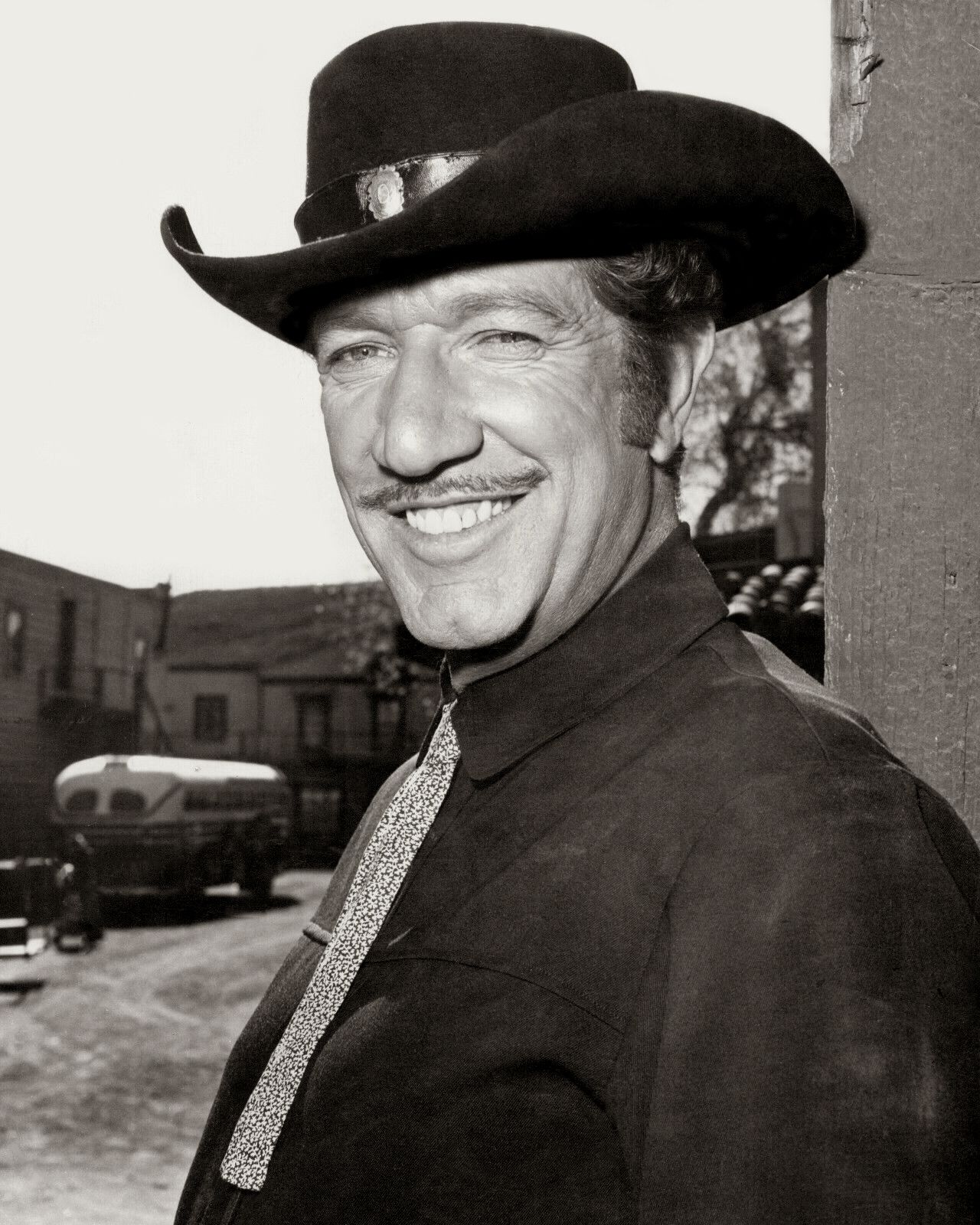
Adult western antihero cool; radio and TV hit that made sophistication a gunslinger trait.
Why it matters
From the desk
Why Have Gun – Will Travel still plays
The calling card is cooler than most heroes' faces. (I said spoiler-free. The card is the spoiler.) *Have Gun – Will Travel*, CBS 1957–1963, 225 episodes across six seasons, also a concurrent radio hit: Richard Boone's Paladin, a chess-piece knight for hire with San Francisco manners and a gunbelt. Kam Tong as Hey Boy for much of the run; Lisa Lu as Hey Girl. Adult-western antihero cool. The group chat would have made the chess knight a stan logo by lunch.
Sam Rolfe and Herb Meadow built sophistication as a gunslinger trait instead of a liability. Boone's Broadway grit wandered into moral tests dressed like a man who knew the opera and the draw. The *Wire Paladin* card is brand-before-branding, a logo you could almost mail — 'Have Gun – Will Travel' with a chess-knight motif, a San Francisco address, a gun for hire with manners. *Have Gun – Will Travel* elevated the hired-gun western into literate prime-time myth and made Paladin an icon of cool competence. Card-and-catchphrase branding was pure mid-century marketing genius; the series still ranks among the most respected adult westerns of TV's trail era. Lana can keep the gown narrative. This look is a chess piece, a holster, and a hotel lobby that understood marketing before the word had a campaign. Radio and television hit at once. The card outlived both.
What the timeline decided: *Three Bells to Perdido* is the card hitting the table, Boone's knight-for-hire walking in with manners and a gunbelt. *A Matter of Ethics* is titled as the adult-western thesis, sophistication as a gunslinger trait instead of a punchline. *First, Catch a Tiger* is season-three opener as proverb, Paladin still cooler than most heroes' faces on a CBS night. *Genesis* restarts the last year on an origin title — the card still hiring out.
*Face of a Shadow* closes 1963: last calling-card hour, antihero cool packing away the chess piece after six seasons of paid justice. Skip the simpler hats. This western sold brains with the holster. Radio and television at once; the card outlived both.
See you in the tags: #paladin #havegun and the eternal argument about whether cool is a costume. I need sleep and a rewatch of a hired knight who made competence look like a brand. The replies can fight about the opera. The card already won.
Episode guide
How this series is filed
TV Flash files Have Gun – Will Travel (1957–1963) on CBS as the episode guide: 225 listed hours across 6 seasons, 1957-09-14–1963-04-20 from “Three Bells to Perdido” (S01E01) to “Face of a Shadow” (S06E32).
Open the episode guide · S01E01 Three Bells to Perdido · S06E32 Face of a Shadow
Essential episodes
Paladin's calling card — chess-knight for hire, Broadway grit in a gunbelt, brand before the logo age. Filed by Tessa Quinn (Spoiler-Free (Mostly)).
- S01E01 Three Bells to Perdido
Three Bells to Perdido: the card hits the table, Richard Boone's knight-for-hire walking in with San Francisco manners and a gunbelt.
- S01E05 A Matter of Ethics
A Matter of Ethics — titled as the adult-western thesis, sophistication as a gunslinger trait instead of a punchline.
- S03E01 First, Catch a Tiger
First, Catch a Tiger: season-three opener as proverb, Paladin still cooler than most heroes' faces on a CBS night.
- S06E01 Genesis
Genesis restarts the last year on an origin title — the Wire Paladin card as brand-before-branding, still hiring out.
- S06E32 Face of a Shadow
Face of a Shadow closes 1963: last calling-card hour, antihero cool packing away the chess piece after six seasons of paid justice.
At a glance
A black-clad gentleman gunfighter named Paladin hired out of a San Francisco hotel card that read Have Gun – Will Travel. Richard Boone's CBS western (1957–1963, 225 episodes) mixed chivalry, violence, and chess-player calm — a thinking man's hired gun with a soft spot for the underdog. Kam Tong's hotel staffer Hey Boy (and later Hey Girl) anchored the civilized base between assignments. Radio and TV ran in parallel success; the theme song became as sharp as the outfit. Adult western prestige never looked this tailored.
Network & studio
- CBS — broadcast network
Why watch now
Have Gun – Will Travel is a chess-piece knight for hire: Paladin's calling card cooler than most heroes' faces, Richard Boone's Broadway grit in a gunbelt. Watch it now as adult-western antihero cool — sophistication as a gunslinger trait, and the Wire Paladin card as brand-before-branding.
Cultural impact
Have Gun – Will Travel elevated the hired-gun western into literate prime-time myth and made Paladin an icon of cool competence. Its card-and-catchphrase branding was pure mid-century marketing genius. The series still ranks among the most respected adult westerns of TV's trail era.
Creators
Sam Rolfe · Herb Meadow
Key cast
- Richard Boone as Paladin
- Kam Tong as Hey Boy
- Lisa Lu as Hey Girl
Flash facts
- CBS western starring Richard Boone as Paladin, 1957–1963.
- 225 television episodes across six seasons.
- Also successful as a concurrent radio series.
- Kam Tong played hotel employee Hey Boy for much of the run.
- Famous for Paladin's calling card: 'Have Gun – Will Travel' with a chess-knight motif.
FAQ
Where should I start?
Start with Boone's Paladin and the calling-card ritual. The knight-for-hire brief is clear in the weekly form; you do not need a origin-mythology marathon.
What can I skip?
Skip identical hired-gun weeks once you have the manners-and-holster mix. Radio versions are a sidecar, not a prerequisite.
Is it still worth it?
Yes. Adult western cool with a brain — sophistication as the weapon beside the gun.
Hero western or antihero hour?
Adult western drama: a literate gun for hire, closer to antihero than white-hat marshal.
Official & further reading
External sites for further reading — TV Flash is not affiliated with these networks or studios.
Back to the decade
Also on the dial
More after Have Gun – Will Travel
- Related showThe Ernie Kovacs ShowVisual gags, blackouts, and Nairobi Trio — the medium inventing itself for laughs.
- Related showThe Adventures of Robin HoodRichard Greene's Robin — British export that American kids treated like native folklore.
- Related showThe United States Steel HourIndustrial giant, theatrical punch — live drama with a steel-hard production sheen.
- Related showOmnibusAloft culture for the masses — Leonard Bernstein, Orson Welles, and Sunday seriousness.
- Related showAmos 'n' AndyHugely popular, deeply fraught — the sitcom that forces the conversation about race and early TV.
- Related showMamaNorwegian immigrant family warmth — live family drama before sitcoms ate the hour.