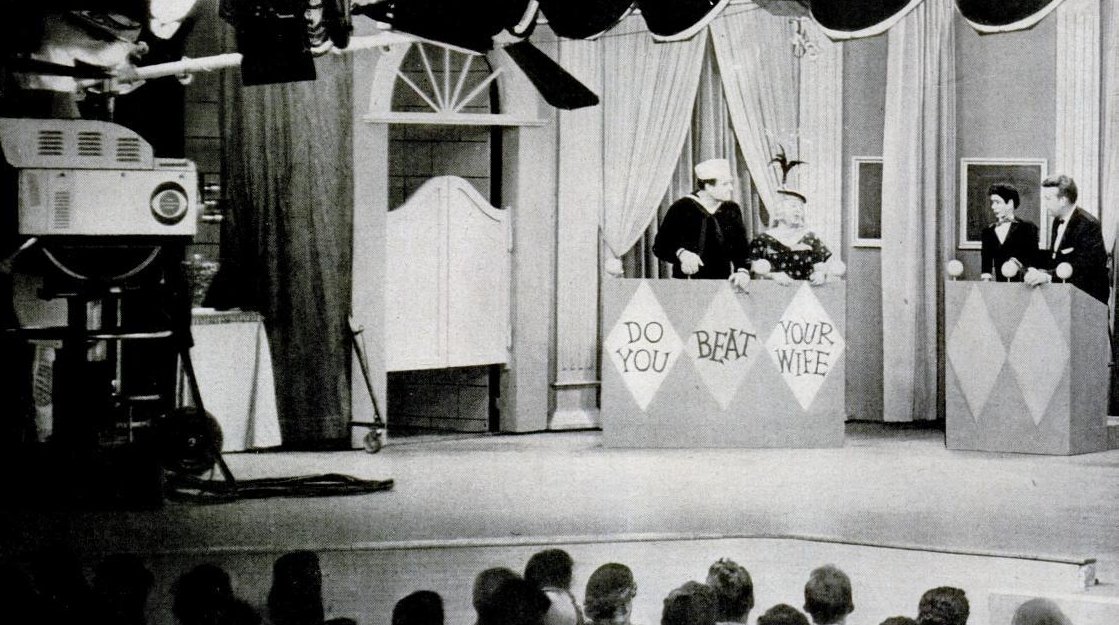
Longevity variety king; physical comedy and characters that spanned two decades of TV.
Why it matters
From the desk
Why The Red Skelton Show still plays
Red Skelton did not drop a sketch. He filled a weekly variety hour with recurring characters and wordless pantomime that played to the camera's intimacy — primarily 1951–1971 across NBC and CBS, 478 episodes, 20 seasons, a franchise that moved networks without dropping the blessing. Clem Kadiddlehopper, Freddie the Freeloader, Mean Widdle Kid, David Rose's music, and a closing 'Good night and may God bless' America treated like a ritual. Physical comedy that outlasted fashions. Pantomime pathos on a two-decade throne. Max can keep the binge window. This was appointment clowning with a camera close enough to catch the tear.
Longevity variety king: characters that spanned two decades of television, the clown-with-a-tear master class, intimacy-scale clowning rather than a vending-machine clip. One of the longest-running comedy-variety vehicles of classic network TV. The gallery survived a network hop. The Mean Widdle Kid joined Clem and Freddie in a company that outlasted whatever fashion the guest list wore. Patterns: a blessing as sign-off, a character as a weekly contract, a night that did not need a drop calendar to feel like church. Physical comedy that outlasted fashions; pantomime pathos on a two-decade throne; David Rose's music under the tear. Max can keep the platform war. This was a camera close enough to catch the blessing, and a franchise that moved from NBC to CBS without dropping 'Good night and may God bless.'
What the network night looked like: pantomime, guest stack, benediction. *Premiere Show* is pantomime pathos walking into a variety throne, clown-with-a-tear already the two-decade contract. *McPugg's Last Fight* is named-character hour as mid-early landmark, physical comedy outlasting whatever fashion the guest list wore. *Clem The Rookie (with Leo Durocher)* is Kadiddlehopper as season open, baseball guest as the blessing before the pantomime. *Tina Louise, Herb Alpert & The Tijuana Brass* is late-1960s guest-stack, the variety throne still treating America to a closing ritual.
*Ironside Spoof* closes 1971: last titled parody, Freddie and Clem packed away after a blessing America treated like church. Skip hunting a single persona. The form is a gallery. The tear is the point.
A toast to the blessing, and a raised eyebrow for anyone who thinks a variety hour needs a platform strategy to last twenty years. *The Red Skelton Show* moved networks and kept the ritual. The martini is for after 'may God bless.' The clown already had the night.
Episode guide
How this series is filed
TV Flash files The Red Skelton Show (1951–1971) on NBC/CBS as a season-first catalog of 478 listed hours across 20 seasons, 1951-09-30–1971-03-15 from “Premiere Show” (S01E01) to “Ironside Spoof” (S20E24).
Open the episode guide · S01E01 Premiere Show · S20E24 Ironside Spoof
Essential episodes
Pantomime pathos on a variety throne — Clem, Freddie, two decades, a closing blessing as ritual. Filed by Rex Fontaine (Golden Age Dispatch).
- S01E01 Premiere Show
Premiere Show: pantomime pathos walks into a variety throne, clown-with-a-tear already the two-decade NBC contract.
- S03E01 McPugg's Last Fight
McPugg's Last Fight: named-character hour as mid-early landmark, physical comedy outlasting whatever fashion the guest list wore.
- S04E01 Clem The Rookie (with Leo Durocher)
Clem The Rookie (with Leo Durocher) — Kadiddlehopper as season open, baseball guest as the blessing before the pantomime.
- S15E24 Tina Louise, Herb Alpert & The Tijuana Brass
Tina Louise, Herb Alpert & The Tijuana Brass: late-1960s guest-stack, the variety throne still treating America to a closing ritual.
- S20E24 Ironside Spoof
Ironside Spoof closes 1971: last titled parody, Freddie and Clem packed away after a blessing America treated like church.
At a glance
Clown, mime, and sketch artist Red Skelton filled a weekly variety hour with recurring characters and wordless sketches that played to the camera's intimacy. The show moved between NBC and CBS from 1951 to 1971: Clem Kadiddlehopper, Freddie the Freeloader, Mean Widdle Kid, David Rose's music, and a closing blessing America treated like a ritual. Physical comedy that outlasted fashions; pantomime pathos on a two-decade throne. "Good night and may God bless" became a benediction as much as a sign-off.
Network & studio
Why watch now
The Red Skelton Show is pantomime pathos on a two-decade variety throne: Clem Kadiddlehopper, Freddie the Freeloader, and a closing blessing America treated like a ritual. Physical comedy that outlasted fashions. In 2026 it is the clown-with-a-tear master class, plus the benediction Good night and may God bless.
Cultural impact
The Red Skelton Show was a longevity variety king: character comedy that spanned network moves and two decades of television. Clem, Freddie, and the Mean Widdle Kid lived in living rooms long enough to become folklore; the sign-off became a national blessing. Intimate-scale clowning — a camera close enough to catch the tear — proved physical comedy could outlast fashions. Later variety never quite replaced that personal finish.
Creators
Red Skelton
Key cast
- Red Skelton as Host / various characters
- David Rose as Music director
Flash facts
- Television series primarily 1951–1971 across NBC and CBS.
- Skelton's characters included Clem Kadiddlehopper, Freddie the Freeloader, and Mean Widdle Kid.
- One of the longest-running comedy-variety vehicles of classic network TV.
- David Rose served as music director.
- Sign-off ritual: "Good night and may God bless."
FAQ
Where should I start?
Start with Skelton's recurring clowns — Freddie, Clem — and a pantomime sketch that uses the camera's close-up. The blessing is the door close.
What can I skip?
Skip a twenty-year complete run. Character weeks repeat by design; NBC versus CBS is a network footnote, not two different clowns.
Is it still worth it?
Yes. Physical comedy that outlasted fashions, plus a ritual sign-off that still sounds like a benediction.
Sketch show or clown hour?
Comedy-variety built on pantomime characters — a clown's hour, not a sitcom plot.
Official & further reading
External sites for further reading — TV Flash is not affiliated with these networks or studios.
Back to the decade
Also on the dial
More after The Red Skelton Show
- Related showThe Ernie Kovacs ShowVisual gags, blackouts, and Nairobi Trio — the medium inventing itself for laughs.
- Related showThe Adventures of Robin HoodRichard Greene's Robin — British export that American kids treated like native folklore.
- Related showThe United States Steel HourIndustrial giant, theatrical punch — live drama with a steel-hard production sheen.
- Related showOmnibusAloft culture for the masses — Leonard Bernstein, Orson Welles, and Sunday seriousness.
- Related showAmos 'n' AndyHugely popular, deeply fraught — the sitcom that forces the conversation about race and early TV.
- Related showMamaNorwegian immigrant family warmth — live family drama before sitcoms ate the hour.